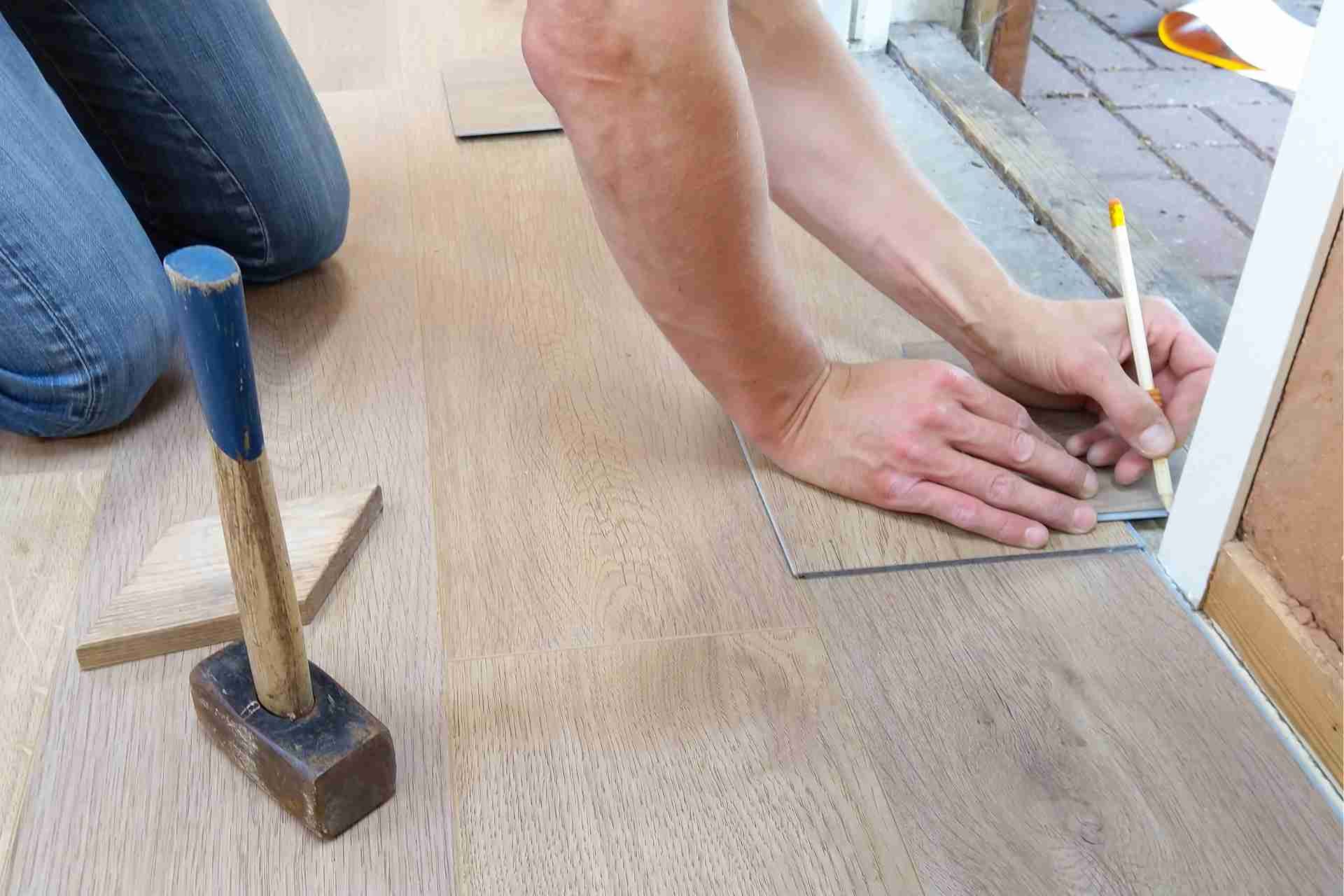
5 Key Qualities of a Floor Installer
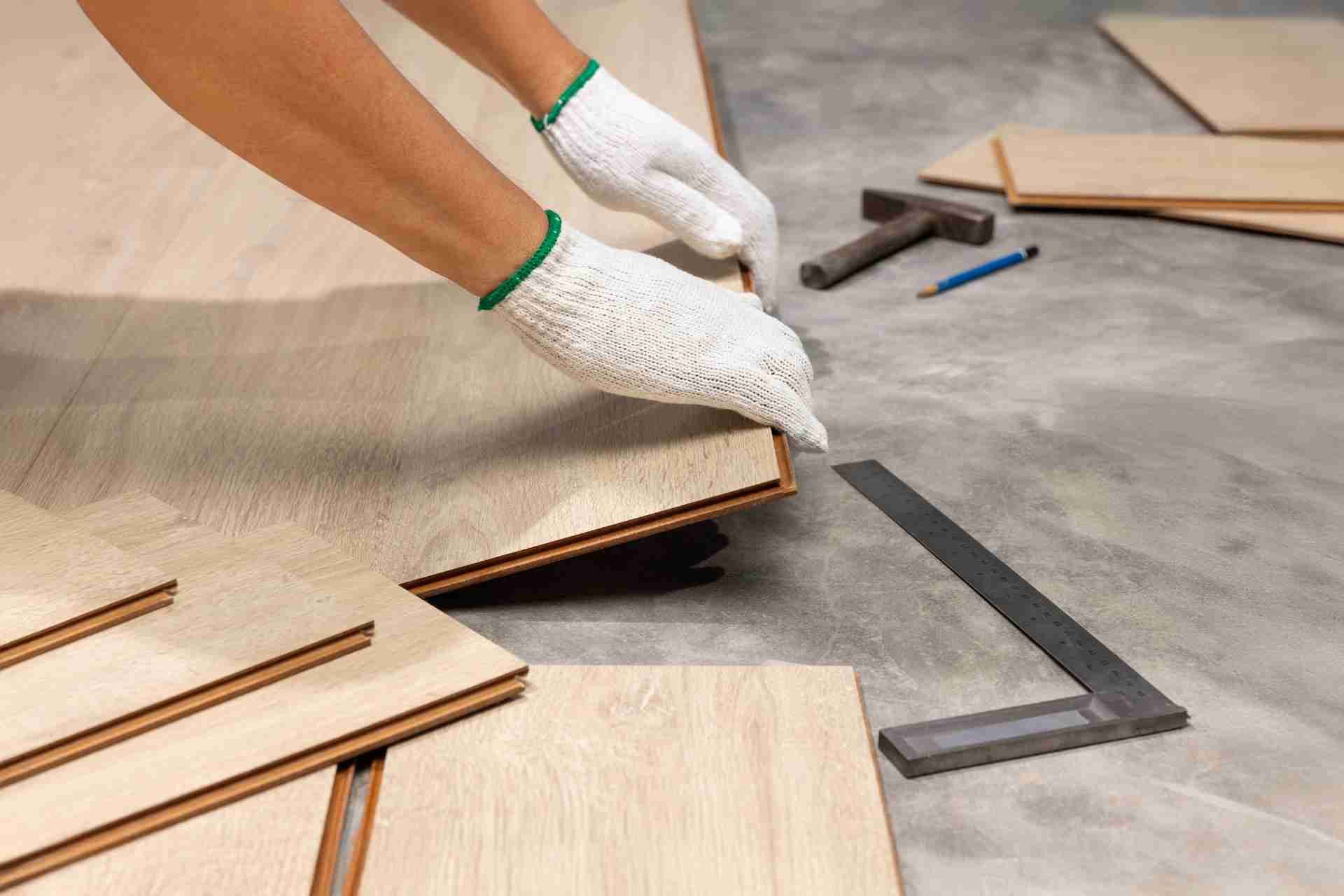
Choosing a floor installer shouldn’t be a gamble. You need proven credentials, clear estimates, rigorous prep, dependable schedules, and solid warranties. Each factor protects your budget, timeline, and finish. Miss one, and small issues can become costly fixes. Here’s how to spot these five qualities before you sign—and what red flags suggest you should keep looking.
Verified Floor Installer Experience and Credentials
Although price can tempt you, start by verifying a floor installer’s experience and credentials.
Ask how many years they’ve worked with your specific material—hardwood, laminate, vinyl, tile, or carpet—and what projects mirror your space.
Check active licenses and general liability and workers’ comp insurance.
Look for trade certifications such as NWFA for hardwood, CFI for carpet, or CTI for tile.
Confirm manufacturer-authorized training for the products you plan to use.
Review a portfolio with close-up photos of seams, transitions, stairs, and trim.
Call recent references and ask about punctuality, cleanliness, and problem-solving.
Verify moisture testing, subfloor preparation, and acclimation practices.
Ensure they follow local codes and safety standards.
Finally, confirm who actually performs the work—owner, employees, or vetted subcontractors, with documented experience and accountability.
Transparent Estimates, Scope, and Change Orders
With a qualified pro in mind, protect your budget by demanding a clear, written estimate that itemizes labor, materials, underlayment, subfloor prep, moisture mitigation, demo and disposal, furniture/appliance moves, trims and transitions, stairs, and taxes/permits.
Define the scope: rooms, square footage, layout pattern, baseboards to reuse or replace, thresholds, and who handles door adjustments.
Ask for line-item pricing, unit costs per square foot or stair, and allowances tied to named products.
Require stated exclusions and contingencies for hidden conditions.
Lock in a payment schedule matched to milestones, not vague dates.
For changes, get a written change order every time—detailing scope, cost, schedule impact, and approvals—before work resumes.
Keep all revisions in one running document so you’re never surprised.
Confirm contact points for decisions, approvals.
Installation Prep Standards and Craftsmanship Quality
Before the first plank goes down, a pro sets the stage by stabilizing site conditions and verifying the substrate meets spec.
You get documented moisture tests, corrected flatness, and the right primer or underlayment. They acclimate materials to temperature and humidity, plan the layout to balance cuts, and snap dead-straight lines.
You’ll see consistent expansion gaps, tight seams, and transitions that sit flush. They use the correct trowel notch, respect adhesive open time, and roll for full bond.
For nail-down, they follow proper fastener spacing and avoid splitting tongues. Around jambs and vents, they scribe cleanly, not caulk away gaps.
On stairs, they align nosings and returns. Patterned goods line up, and edges get crisp, durable finishing details. Cuts are square; reveals stay even.
Reliable Scheduling, Site Cleanliness, and Safety Practices
Because flooring work disrupts daily life, a pro sets a clear schedule and sticks to it—written start/finish windows, confirmations, and prompt notices of changes.
You get clear calendar commitments, and a foreperson who owns delays and resequences tasks to keep momentum. Crews arrive on time and stage materials efficiently.
Cleanliness matters. They isolate the work zone with plastic, run HEPA vacuums on saws, and sweep between phases so you’re not tracking dust.
Debris goes in lined bins, waste leaves daily, and paths and exits stay clear.
Safety shows in habits: they mark no‑go areas, flag trip hazards, cap blades, and store adhesives and solvents per label.
Pros wear PPE, cordon cutting stations, verify power and ventilation. They check subfloor moisture before nailing or gluing.
Warranty Terms and Aftercare Support
The same professionalism should carry into what happens after install: clear warranty terms and responsive aftercare. You deserve a written warranty that spells out coverage length, what’s included—materials, labor, moisture issues—and what voids it, like unapproved cleaners or skipped maintenance.
Ask who handles claims, typical response times, and whether service is on-site or via subcontractors. A strong installer registers manufacturer warranties, keeps records, and explains maintenance schedules in plain language.
Expect a handover: product data sheets, cleaning guides, approved products, and contact numbers. Insist on a walkthrough that logs punch-list items and start-of-warranty dates.
Good aftercare includes seasonal check-ins, quick fixes for transitions or squeaks, and advice when conditions change. If problems arise, they document, diagnose, and resolve, not deflect—quickly and transparently, for you.
Conclusion
Choosing the right floor installer isn’t guesswork—you know what to look for. Prioritize proven experience and credentials, transparent estimates and scopes, and clear, documented change orders. Expect meticulous prep and craftsmanship, dependable scheduling, tidy, safe job sites. Finally, insist on strong warranty terms and responsive aftercare, so your investment lasts. When you demand these five qualities, you’ll hire with confidence, avoid costly surprises, and enjoy a flawless floor that performs and looks great for years.