How to Choose the Right Carpet Cleaning Method for Your Home

February 2, 2026
How to Choose the Right Carpet Cleaning Method for Your Home
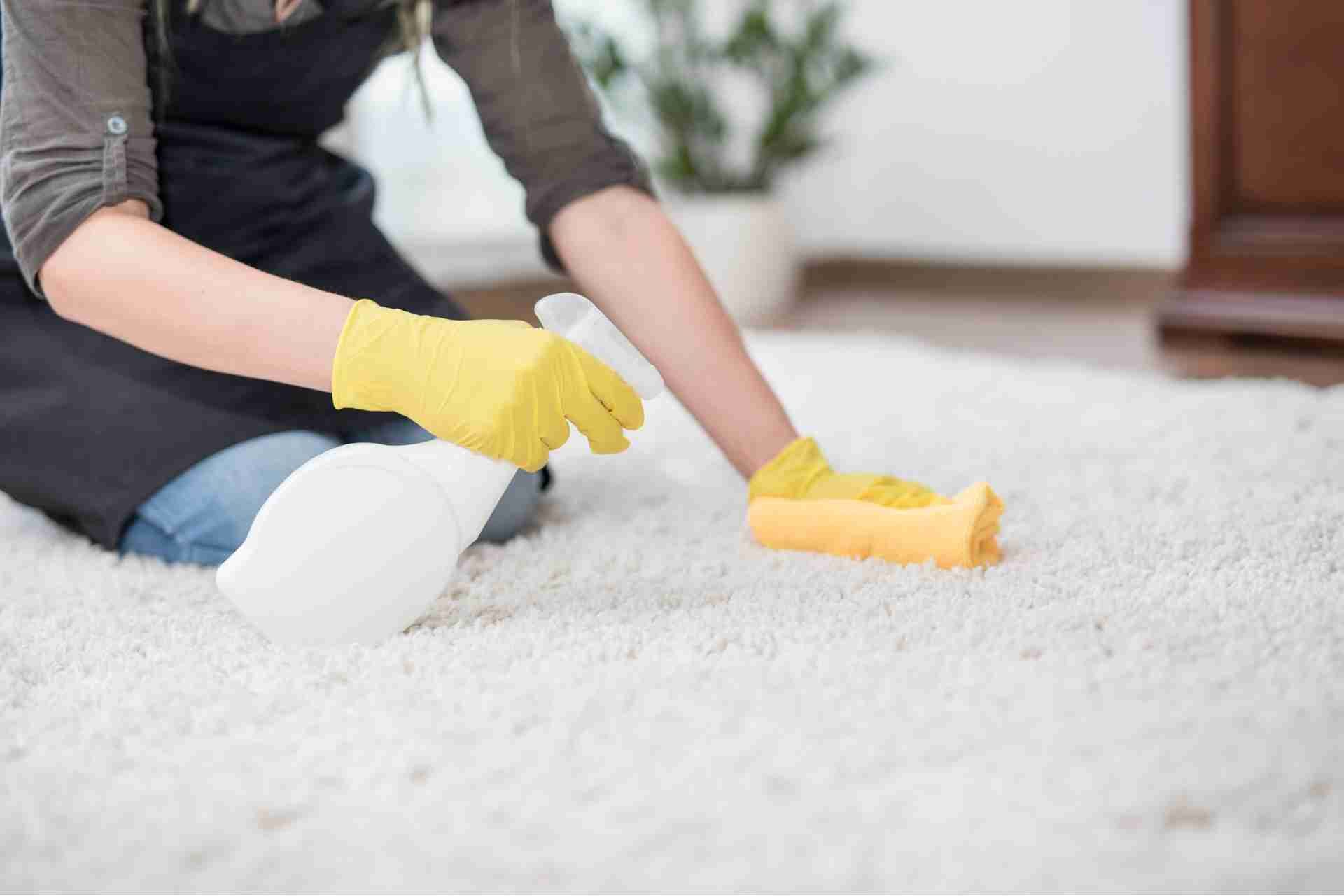
Choosing the right carpet cleaning method for your home can seem daunting, but it doesn’t have to be. You’ll need to consider your carpet's material, your lifestyle, and even your budget. Each cleaning method has its benefits and drawbacks, which can affect your decision. Understanding these factors will help you make an informed choice that suits your needs. So, what are the key aspects you should focus on first?


How to Choose the Right Carpet Cleaning Method for Your Home

How do you determine the best carpet cleaning method for your home? Start by assessing your carpet type. Different materials require specific care.


Next, consider your lifestyle. If you have kids or pets, you'll need a method that tackles tough stains and allergens.


Think about how often you want to clean your carpets, too; some methods offer deep cleaning less frequently.


Also, evaluate your budget. Professional services can be costly, while DIY options might save money but require more effort.


Lastly, check for any specific cleaning requirements from the carpet manufacturer.


Understanding Different Carpet Cleaning Methods

Once you've considered your carpet type and household needs, it's time to explore the various carpet cleaning methods available.


The most common methods include steam cleaning, dry cleaning, and shampooing.


Steam cleaning uses hot water to deep clean carpets, effectively removing dirt and allergens.


Dry cleaning, on the other hand, employs a specialized chemical solution and minimal moisture, making it ideal for delicate fibers.


Shampooing involves applying a foam cleaner, scrubbing, and then extracting the residue.


Each method has its pros and cons, depending on your carpet's material and the level of soiling.


Key Factors in Selecting Your Carpet Cleaning Method

When selecting a carpet cleaning method, it’s essential to consider several key factors that can significantly impact your results.


First, think about the level of soiling in your carpets. Heavily soiled carpets might require more intensive methods, while lightly soiled ones may need less aggressive approaches.


Next, consider the time you have available for drying. Some methods can leave carpets damp for hours, while others dry quickly.


Also, take into account your allergies or sensitivities; certain cleaning solutions can trigger symptoms.


Lastly, evaluate your budget. Some methods may cost more upfront but save money in the long run.


What Carpet Type Do You Have, and How Should You Clean It?

What kind of carpet do you have, and does it dictate your cleaning approach? Identifying your carpet type is crucial for selecting the right cleaning method.


For example, if you have wool carpets, you’ll want to avoid excessive moisture and opt for dry cleaning or low-moisture methods. Synthetic carpets, like nylon or polyester, are more forgiving and can handle steam cleaning or hot water extraction.


Berber carpets may require special care due to their looped fibers, so check for specific recommendations. If your carpet has stains, consider spot cleaning techniques tailored to the fiber type.


Understanding your carpet's material helps ensure you clean effectively without causing damage, extending its life and maintaining its appearance.


Budgeting for Carpet Cleaning Services: What to Expect

As you plan for carpet cleaning services, understanding the costs involved can help you avoid unexpected expenses.


Typically, you'll find carpet cleaning prices range from $25 to $75 per room, depending on factors like room size and carpet type. Additional fees may apply for deep cleaning, stain removal, or moving furniture.


You should also consider whether you want a one-time service or a maintenance plan. Regular cleanings can save you money in the long run by extending your carpet's life.


Don’t forget to ask for quotes from different companies to compare services and ensure you’re getting the best value.


Conclusion

Choosing the right carpet cleaning method for your home doesn’t have to be overwhelming. By understanding your carpet type and considering your lifestyle, you can make an informed decision that suits your needs. Whether you opt for steam cleaning, dry cleaning, or shampooing, remember to factor in your budget and get quotes for services. With the right approach, you’ll keep your carpets looking fresh and clean, creating a healthier environment for you and your family.
Pet Odor & Stain Removal: Tips Every Pet Owner Should Know
February 6, 2026
As a pet owner, you know that odors and stains can be an ongoing struggle. It's essential to understand what causes these issues and how to tackle them effectively.
Carpet Cleaning Frequency: How Often Should You Really Clean Your Carpets?
February 4, 2026
When it comes to carpet cleaning frequency, figuring out the right schedule for your home can be tricky. You might think it’s enough to clean once a year, but that rarely suits everyone’s needs.
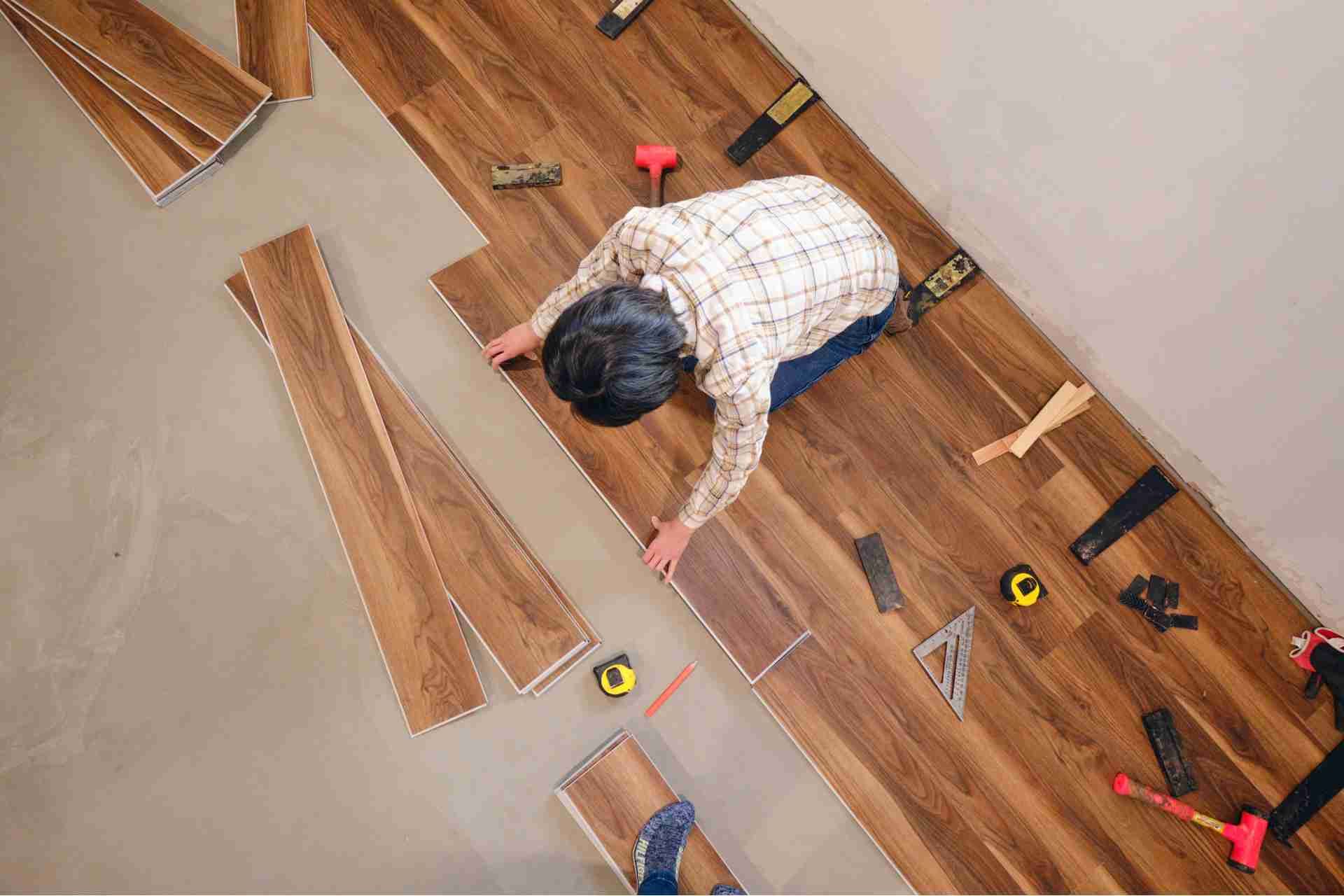
Flooring: LVT vs LVP
January 9, 2026
When it comes to choosing the right flooring for your space, you might find yourself torn between Luxury Vinyl Tile (LVT) and Luxury Vinyl Plank (LVP).
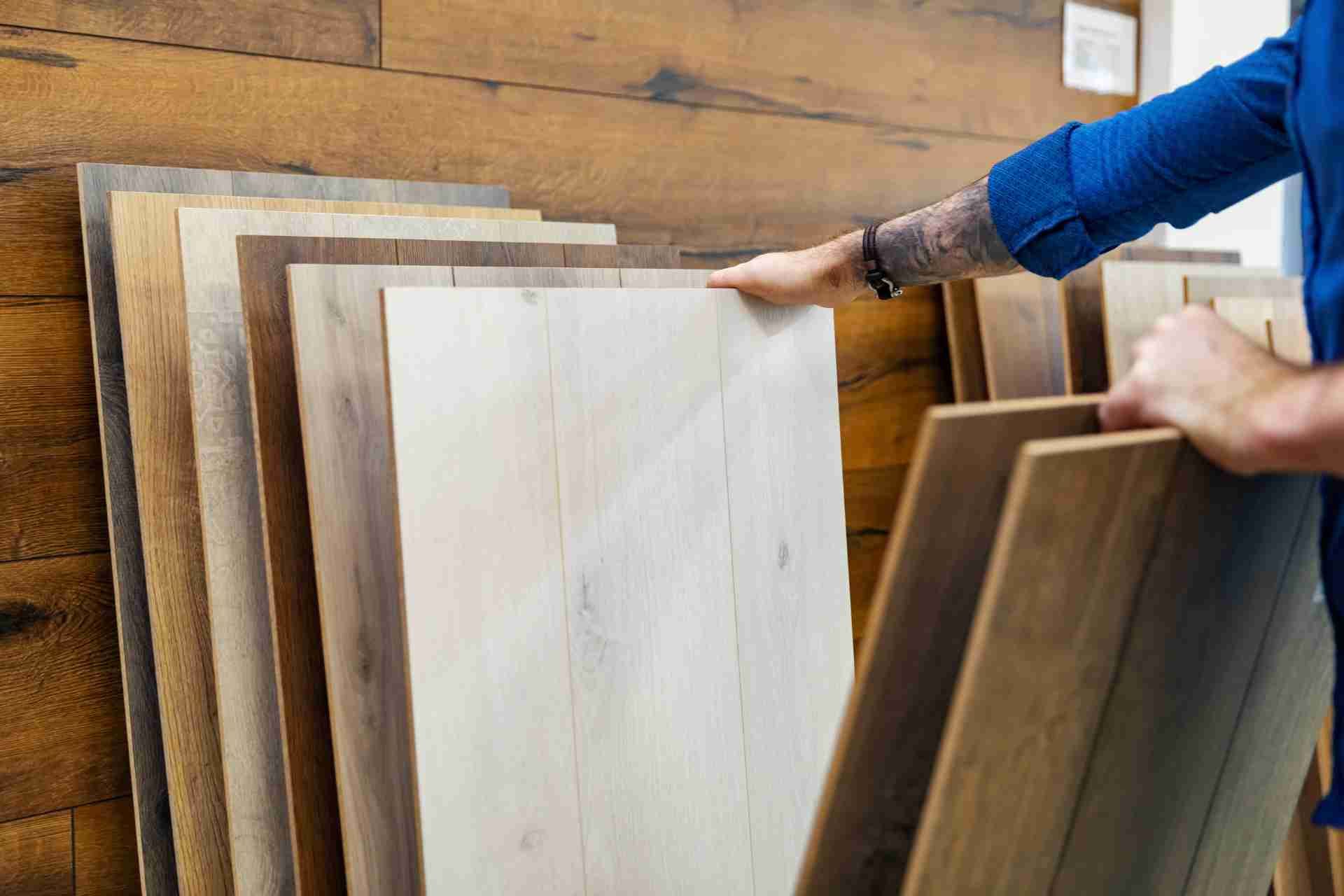
Are Laminate Wood Floors Waterproof
January 7, 2026
When considering laminate wood floors, you might wonder if they're truly waterproof.
What types of flooring materials are best for high traffic commercial spaces?
January 5, 2026
When it comes to high traffic commercial spaces, choosing the right flooring material is crucial.
How to Choose a Reliable Flooring & Carpet Cleaning Contractor: 10 Questions to Ask
December 8, 2025
Avoid costly mistakes. Ask these 10 key questions to find a trustworthy flooring and carpet cleaning contractor near you.
Common Flooring Problems in Pennsylvania Homes (And How We Fix Them)
December 5, 2025
From moisture damage to worn finishes, explore common PA flooring problems and how our experts fix them fast and effectively.
The ROI of Professional Flooring & Cleaning Services: How Much Value Does It Add?
December 3, 2025
Wondering if professional flooring and cleaning are worth it? Learn how these services increase home value, lifespan, and appeal.
How to Properly Maintain & Protect Your Floors After Installation
November 7, 2025
After installing new floors, it's crucial to understand how to keep them looking their best. Regular maintenance can prevent damage and extend their lifespan. You'll want to establish a cleaning routine and take simple steps to protect your investment. But what should you do when spills happen, or how can you effectively prevent scratches? Let's explore the essential practices that will keep your floors beautiful and durable for years to come. Understanding Your Flooring Type Your flooring type plays a crucial role in how you maintain it. Each material—be it hardwood, laminate, tile, or carpet—has its own unique needs. For instance, hardwood requires regular polishing and humidity control to prevent warping, while carpet needs frequent vacuuming to keep dirt and allergens at bay. Tile flooring, on the other hand, often demands grout cleaning to maintain its appearance. Understanding these differences helps you choose the right cleaning products and techniques. For example, avoid using water on unsealed wood floors, as it can cause damage. Knowing your flooring type enables you to create a tailored maintenance plan, ensuring your floors remain beautiful and last for years. So, take the time to learn about your flooring! Regular Cleaning Routines While it may seem tempting to let cleaning slide, establishing a regular cleaning routine is essential for maintaining your floors' beauty and longevity. Start by sweeping or vacuuming at least once a week to remove dirt and debris that can scratch the surface. Depending on your flooring type, mop with a suitable cleaner every month to keep it looking fresh. Don't forget to spot clean spills immediately to prevent stains and damage. Use rugs at entryways to catch dirt from shoes, and consider using felt pads under furniture to avoid scratches. Preventative Measures for Longevity To ensure your floors last as long as possible, taking preventative measures is crucial. First, place mats at entry points to trap dirt and moisture before it reaches your floors. This simple step can significantly reduce wear and tear. Next, consider using furniture pads under heavy items to prevent scratches and dents. Regularly inspect high-traffic areas and rotate furniture to distribute weight evenly, minimizing indentations. If your floors are exposed to sunlight, use curtains or UV films to protect them from fading. Finally, maintain a consistent indoor humidity level to prevent warping or cracking. Dealing With Spills and Stains Even with preventative measures in place, spills and stains can still happen. When they do, act quickly. Grab a clean, dry cloth or paper towel and blot the spill immediately—don't rub, as that can spread the mess. For tougher stains, mix a few drops of mild dish soap with warm water. Dampen a cloth in the solution and gently wipe the area, then rinse with clean water. Always test any cleaning solution in an inconspicuous spot first. For hardwood floors, avoid excessive moisture; too much water can warp the wood. If you're dealing with specific substances like wine or ink, look for specialized cleaners suited for your floor type. Protecting Floors From Furniture and Foot Traffic Protecting your floors from furniture and foot traffic is essential for maintaining their beauty and longevity. Start by using felt pads under furniture legs to prevent scratches and dents. Make sure to check these pads regularly, replacing them as needed. When moving furniture, lift it instead of dragging, as this can cause significant damage. For high-traffic areas, consider area rugs to absorb some of the wear. Choose non-slip mats to keep them in place and prevent slips. Encourage family members and guests to remove shoes at the door to minimize dirt and debris. Finally, keep your floors clean by sweeping or vacuuming regularly to remove grit that can scratch surfaces. Taking these steps will help keep your floors looking pristine for years to come. Seasonal Maintenance Tips As seasons change, the maintenance of your floors requires attention to different challenges they may face. In the spring, be sure to deep clean and remove any dirt or allergens that have accumulated during the winter months. Summer brings humidity, so use dehumidifiers to prevent moisture damage, especially for wood floors. In the fall, clean up leaves and debris that could scratch surfaces. Winter requires extra care; use mats at entrances to minimize salt and snow exposure, and consider using furniture coasters to prevent dents from heavy items. Regularly check for signs of wear and apply appropriate products to protect your floors. Conclusion By following these maintenance tips, you can keep your floors looking beautiful and lasting longer. Regular cleaning, preventative measures, and prompt spill management are key to protecting your investment. Don't forget to use mats and furniture pads to minimize wear and tear. Stay vigilant about humidity levels and seasonal changes to ensure your floors remain in top shape. With a little effort, your floors will continue to shine and withstand daily life's challenges for years to come.
Budgeting for a Flooring Renovation: Hidden Costs Homeowners Often Overlook
November 5, 2025
When you're planning a flooring renovation, it's easy to focus solely on the materials and installation. However, you might not realize that hidden costs can quickly add up, impacting your overall budget. From disposal fees to unexpected repairs, these expenses often catch homeowners off guard. Before you commit to anything, it's crucial to consider all potential costs. Let's explore the key areas that could surprise you and how to prepare for them. Preparation Costs: What You Need to Consider Before diving into your flooring renovation, it's crucial to understand the preparation costs involved. First, you'll need to factor in the expense of purchasing tools and materials, like underlayment, adhesives, or leveling compounds. If you're not a DIY expert, hiring a contractor can add significantly to your budget, so get quotes from a few professionals to compare. Don't forget about potential costs for moving furniture—clearing the space is essential for a smooth installation. Additionally, you may need to consider minor repairs or adjustments to your subfloor, which can also impact your budget. Planning for these expenses ahead of time will help you avoid surprises and keep your renovation on track. Disposal Fees for Old Flooring Once you've tackled the preparation costs, you need to consider disposal fees for your old flooring. Many homeowners underestimate these costs, thinking they can simply toss the old materials in the trash. However, most municipalities have strict regulations about flooring disposal, especially for materials like carpet or laminate. You might need to hire a junk removal service or rent a dumpster, which can quickly add to your budget. Additionally, some flooring types may require special handling due to environmental concerns. Before you start your renovation, research your local disposal options and fees to avoid unexpected expenses. Planning for these costs ensures a smoother renovation and helps you stay within your budget. Subfloor Repairs and Upgrades As you prepare for your flooring renovation, addressing any necessary subfloor repairs and upgrades is crucial for a successful installation. You mightn't realize that a compromised subfloor can lead to uneven flooring and premature wear. Inspect for signs of damage like water stains or squeaks, which could indicate issues needing attention. Depending on the condition, you may need to replace sections of plywood or reinforce the structure. This could involve additional materials and labor costs, so budget accordingly. Upgrading your subfloor with moisture-resistant options can also improve durability, especially in areas prone to humidity. Unexpected Structural Issues While you might've a clear plan for your flooring renovation, unexpected structural issues can arise that derail your budget and timeline. Hidden water damage, rotting beams, or uneven foundations can turn your project upside down. Before you start, it's wise to have a thorough inspection of the area. If you discover problems during the renovation, you'll need to address them immediately, which could lead to increased costs and delays. Even minor repairs can add up quickly, so be prepared for the possibility of needing extra funds. Setting aside a contingency budget of 10-15% can help you manage these surprises without too much stress. Anticipating structural issues will give you peace of mind as you embark on your flooring journey. Design and Aesthetic Enhancements When considering a flooring renovation, many homeowners overlook the impact of design and aesthetic enhancements. Choosing the right flooring isn't just about durability; it's also about how it complements your home's overall style. You might want to consider different colors, textures, and patterns that can elevate the look of your space. For instance, opting for wide planks can create a more spacious feel, while intricate designs can add character. Don't forget about transitions between rooms; they can enhance flow and unity. Additionally, underlayment options can affect acoustics, making your space feel warmer and more inviting. Budgeting for these enhancements can transform your renovation from merely functional to visually stunning, increasing both your enjoyment and your home's value. Labor Costs Beyond Installation Selecting the right flooring can enhance your home's aesthetic, but the costs don't stop at the materials. Labor costs can add up quickly, especially beyond just installation. You might need to factor in expenses for removing old flooring, which often requires specialized skills and tools. Additionally, if your subfloor needs repairs or leveling, you'll incur more labor charges. Don't forget about potential permits or inspections that might be necessary, depending on your project's scope. If you're bringing in an electrician for any lighting adjustments or outlets, that's another layer of costs. Long-Term Maintenance and Care Expenses Even after your flooring renovation is complete, ongoing maintenance and care expenses can influence your budget significantly. You'll need to factor in regular cleaning supplies, like specialized cleaners or equipment for different flooring types. Depending on your choice, some materials require periodic refinishing or sealing, adding to your costs. Consider also the potential for repairs; accidents happen, and damage can occur, especially in high-traffic areas or homes with pets. Setting aside a maintenance fund can help you manage unexpected expenses more easily. Don't forget about the long-term benefits of proper care; it can extend the life of your flooring and enhance its appearance. Staying proactive with maintenance can save you money in the long run. Conclusion When budgeting for your flooring renovation, don't forget to factor in those hidden costs. From disposal fees and potential subfloor repairs to extra labor and long-term maintenance, it all adds up quickly. To avoid surprises, research thoroughly, get multiple quotes, and set aside a contingency fund of 10-15%. By planning ahead, you can ensure your renovation stays within budget and turns out just the way you envisioned it, without any financial strain.
More Posts