Top Signs Your Tile & Grout Needs Deep Cleaning (and What Happens If You Don’t)
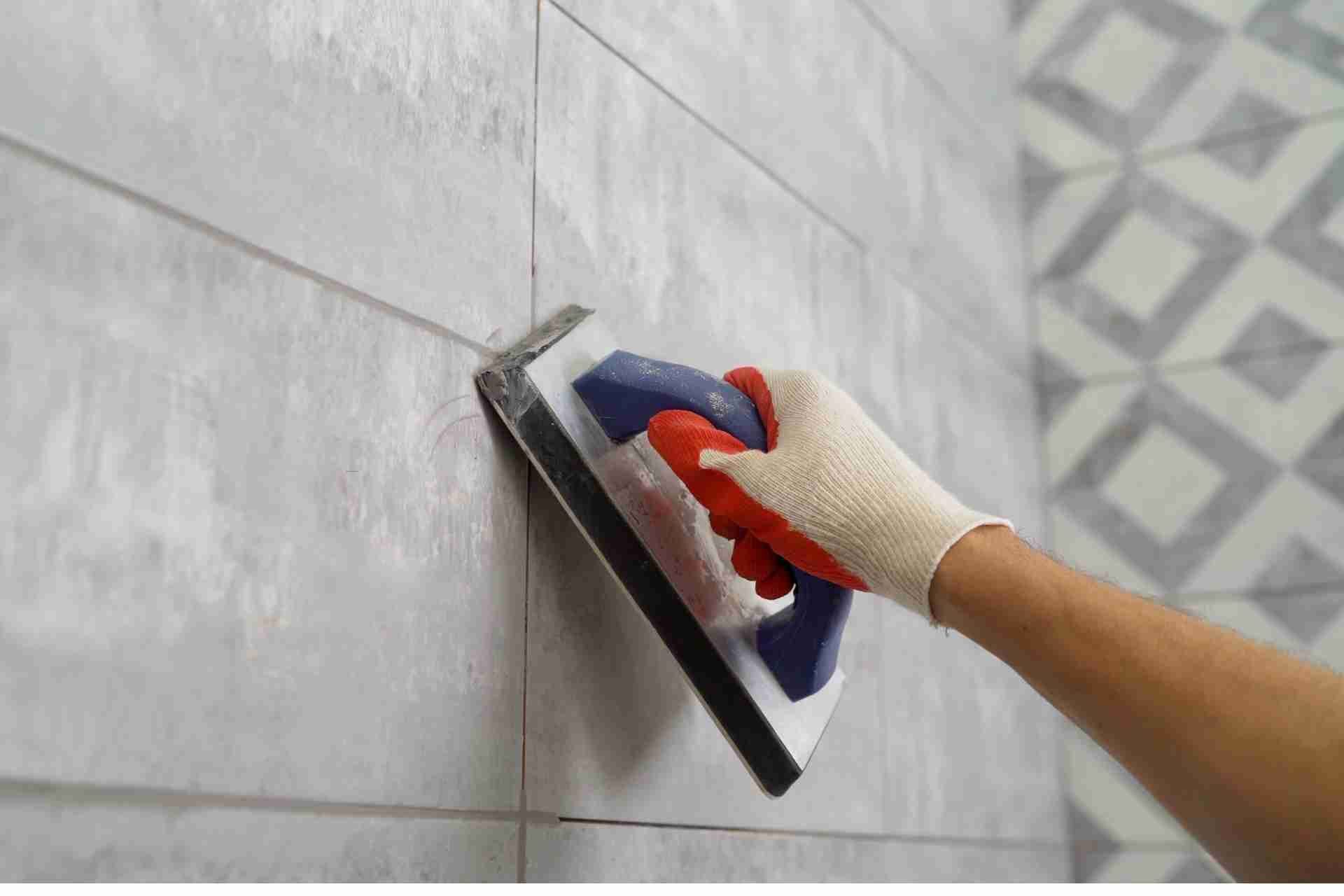
If you've noticed your tile and grout looking dull or stained, it might be time to pay attention. Discoloration, persistent odors, and even mold growth can signal deeper issues that need addressing. Ignoring these signs can lead to more serious problems down the line, impacting both your health and home's value. Curious about what specific signs to watch for and the consequences of neglecting them? Let's explore the details.
Discoloration of Grout Lines
Discoloration of grout lines can be a telltale sign that your tile and grout need a deep clean. When you notice dark or uneven patches, it's often due to dirt, mold, or mildew buildup.
This not only affects the appearance of your surfaces but can also lead to further damage if left untreated. You might think a quick wipe will solve the problem, but it usually won't penetrate deep enough to remove the grime.
Regular cleaning helps, but over time, even the best maintenance can't prevent discoloration. If you want to restore your tile's original look, consider scheduling a deep cleaning.
Doing so won't only enhance your home's aesthetic but also prolong the life of your tile and grout.
Persistent Odors in the Air
If you've noticed discoloration in your grout lines, you might also be detecting persistent odors in the air.
These unpleasant smells often stem from trapped dirt, mildew, or mold lurking within your tile and grout. If you let these odors linger, they can worsen, making your home feel uninviting and unhealthy.
Ignoring the problem may lead to more significant issues, like increased allergy symptoms or respiratory problems for you and your family.
Deep cleaning your tile and grout can effectively eliminate these odors and restore freshness to your space.
Don't wait until the problem escalates; tackle the source of those smells now for a cleaner, healthier home environment.
Your senses—and your health—will thank you!
Stubborn Stains on Tile Surfaces
While enjoying your beautifully tiled floors, you might find stubborn stains that refuse to budge, detracting from their overall appeal.
These unsightly marks can stem from spills, dirt, or even mold, making your space look neglected. If you've tried scrubbing them away with regular cleaners to no avail, it's a sign that your tile and grout need deep cleaning.
Ignoring these stains not only impacts your home's aesthetics but can also lead to further discoloration and damage over time. Deep cleaning can restore your tiles, allowing their true colors to shine through.
Don't let those pesky stains linger; take action to maintain the beauty of your floors and ensure they remain a highlight in your home.
Increased Allergies or Respiratory Issues
Stubborn stains on your tile surfaces can signal deeper issues, such as the accumulation of dust, mold, and allergens in your home.
If you've noticed increased allergies or respiratory issues, it might be time to assess your tile and grout. These hidden allergens can trigger reactions like sneezing, coughing, or congestion, making your living space uncomfortable.
You may not realize that your floors are harboring pollutants until symptoms worsen. Cleaning your tile and grout can eliminate these irritants, improving indoor air quality and helping you breathe easier.
Don't ignore the signs—prolonged exposure to allergens can lead to chronic health issues. A deep clean not only restores your surfaces but also promotes a healthier home environment.
Mold and Mildew Growth
When you notice dark spots or a musty smell around your tile and grout, it's often a clear sign of mold and mildew growth. This pesky problem can thrive in damp and dark areas, especially in bathrooms and kitchens.
Ignoring it can lead to more significant issues, as mold can spread rapidly and become harder to remove. Not only does it affect the appearance of your surfaces, but it can also pose health risks, especially for those with allergies or respiratory conditions.
To tackle mold and mildew effectively, you need to act promptly. Regular deep cleaning can help eliminate these unsightly spots and keep your home safe and healthy.
Don't let mold take over; stay proactive in maintaining your tile and grout.
Deteriorating Grout Integrity
As you inspect your tile and grout, you might notice cracks, chips, or a crumbly texture—signs that your grout integrity is deteriorating.
When grout begins to break down, it can no longer effectively seal the spaces between your tiles. This deterioration not only affects the appearance of your flooring but also increases the risk of moisture seepage, which can lead to mold growth and further damage.
If you ignore these signs, you may face more extensive repairs and costly replacements down the line. Regular deep cleaning can help preserve your grout's integrity, but if it's too far gone, consider re-grouting to restore that strong, protective barrier.
Don't wait until it's too late—address the issue now!
Slippery or Unsafe Surface Conditions
If you notice your tiles becoming slippery or feel unsteady while walking on them, it's a clear sign that deep cleaning is overdue.
Grime, dirt, and mildew can accumulate on the surface, creating dangerous conditions, especially in high-traffic areas like kitchens and bathrooms.
These slippery surfaces not only pose a risk of falls but can also be a breeding ground for bacteria.
Regular cleaning mightn't cut it anymore; you need a thorough deep clean to restore traction and safety.
By addressing these issues promptly, you can prevent accidents and maintain a safe environment for your family and guests.
Don't wait until someone gets hurt—take action and ensure your tiles are clean and secure.
Unpleasant Impact on Home Value
Neglecting tile and grout maintenance can significantly diminish your home's value, especially in real estate markets where first impressions matter.
When potential buyers walk into your home, dirty or stained tiles can create an unwelcoming atmosphere, leading them to question the overall upkeep of the property. This negative perception can result in lower offers or even deter buyers altogether.
If you're planning to sell, dirty grout lines and dingy tiles can make your home less appealing compared to others in pristine condition.
Additionally, neglecting these surfaces can lead to further damage, increasing repair costs down the line.
To maintain your home's value, prioritize regular tile and grout cleaning to ensure it remains attractive and inviting to prospective buyers.
Time and Cost of Replacement vs. Cleaning
When you weigh the time and cost of replacing tile and grout against cleaning them, it often becomes clear that maintenance is the more economical choice.
Replacement can be a lengthy process, often taking days to complete, not to mention the disruption it causes in your home.
On the other hand, a professional deep cleaning can usually be done in just a few hours, restoring your surfaces to their original beauty without the hassle of a complete overhaul.
Financially, cleaning is significantly less expensive than replacement, allowing you to save money while extending the life of your existing tile and grout.
Conclusion
If you notice any of these signs in your tile and grout, it's time to take action. Ignoring discoloration, odors, or stains can lead to bigger problems down the road, affecting both your health and your home's value. Regular deep cleaning not only restores your floors' beauty but also prevents costly repairs or replacements. Don't let these issues linger—invest in the maintenance of your tile and grout for a cleaner, safer, and more appealing living space.