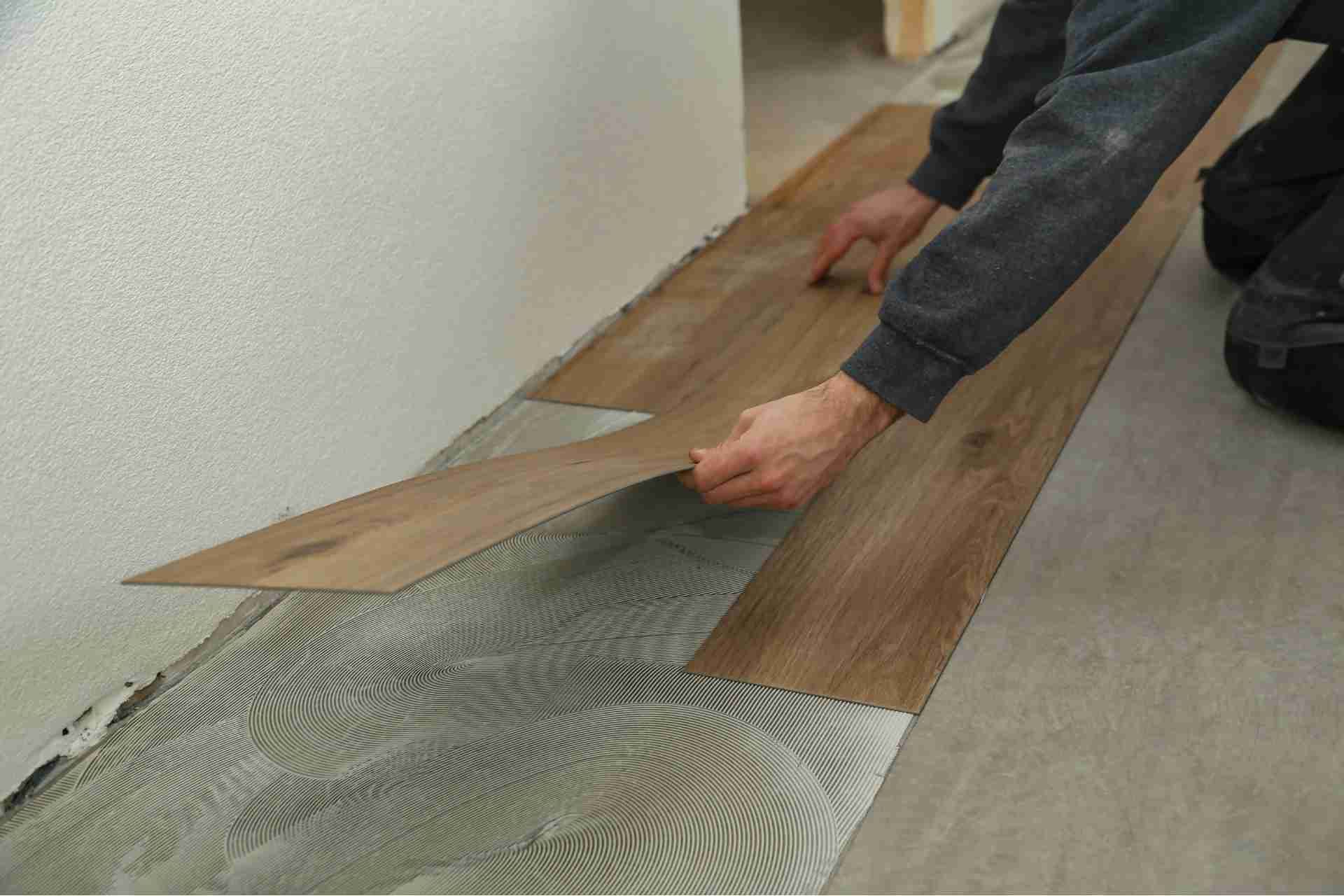
How Lancaster County Weather Affects Your Flooring (And What to Choose Instead)
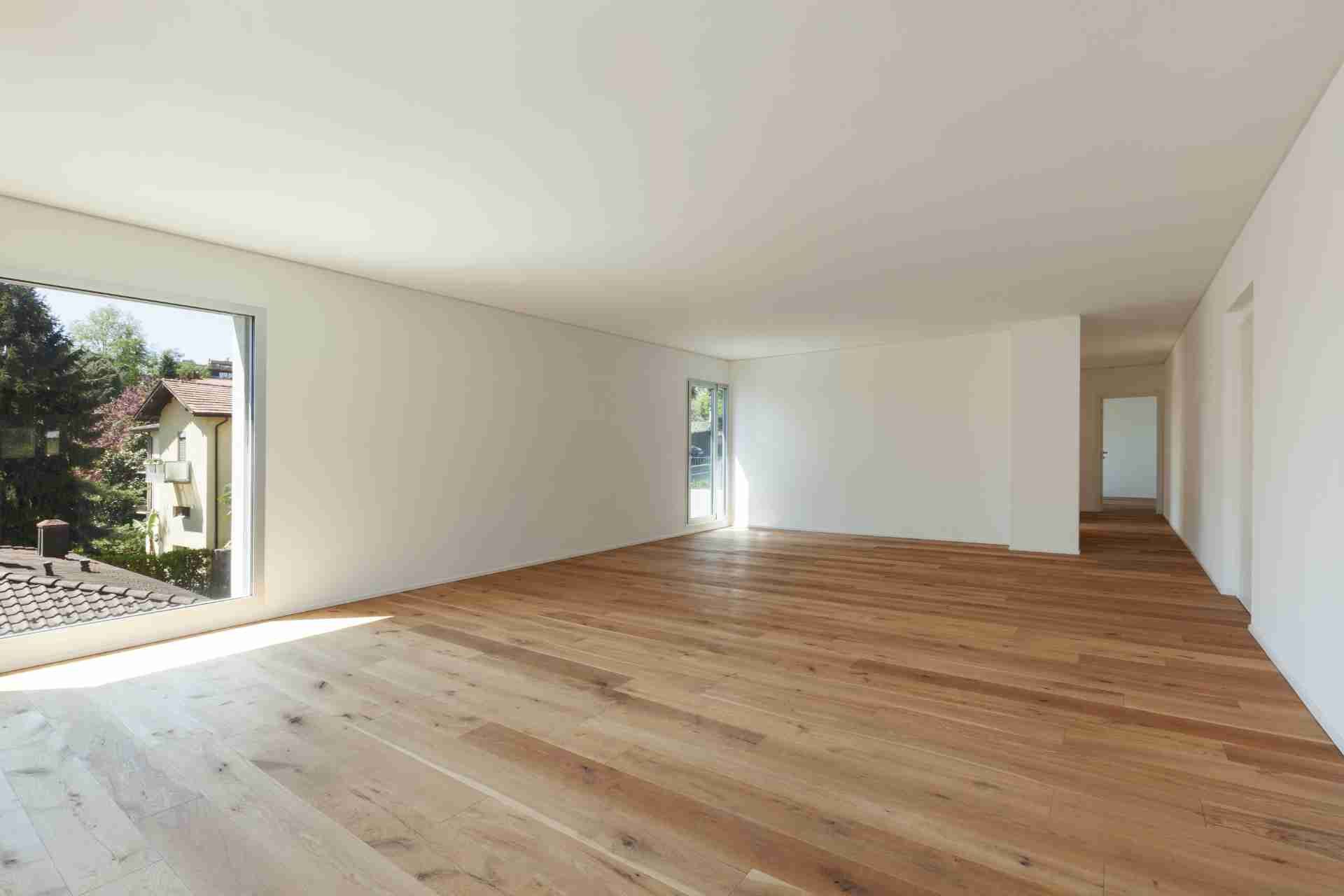
Lancaster County's weather can really throw a wrench in your flooring plans. With hot summers and frigid winters, your choice of flooring matters more than you might think. Hardwood, while beautiful, often warps or gaps in fluctuating temperatures. So, what should you opt for instead? Understanding the local climate’s impact on flooring will help you make the best decision for your home. Let’s explore the options that stand up to these conditions.
How Lancaster County's Climate Affects Flooring Choices
When you consider flooring options in Lancaster County, it's essential to account for the region's climate. The area experiences a mix of hot summers and cold winters, which can influence your flooring choice significantly.
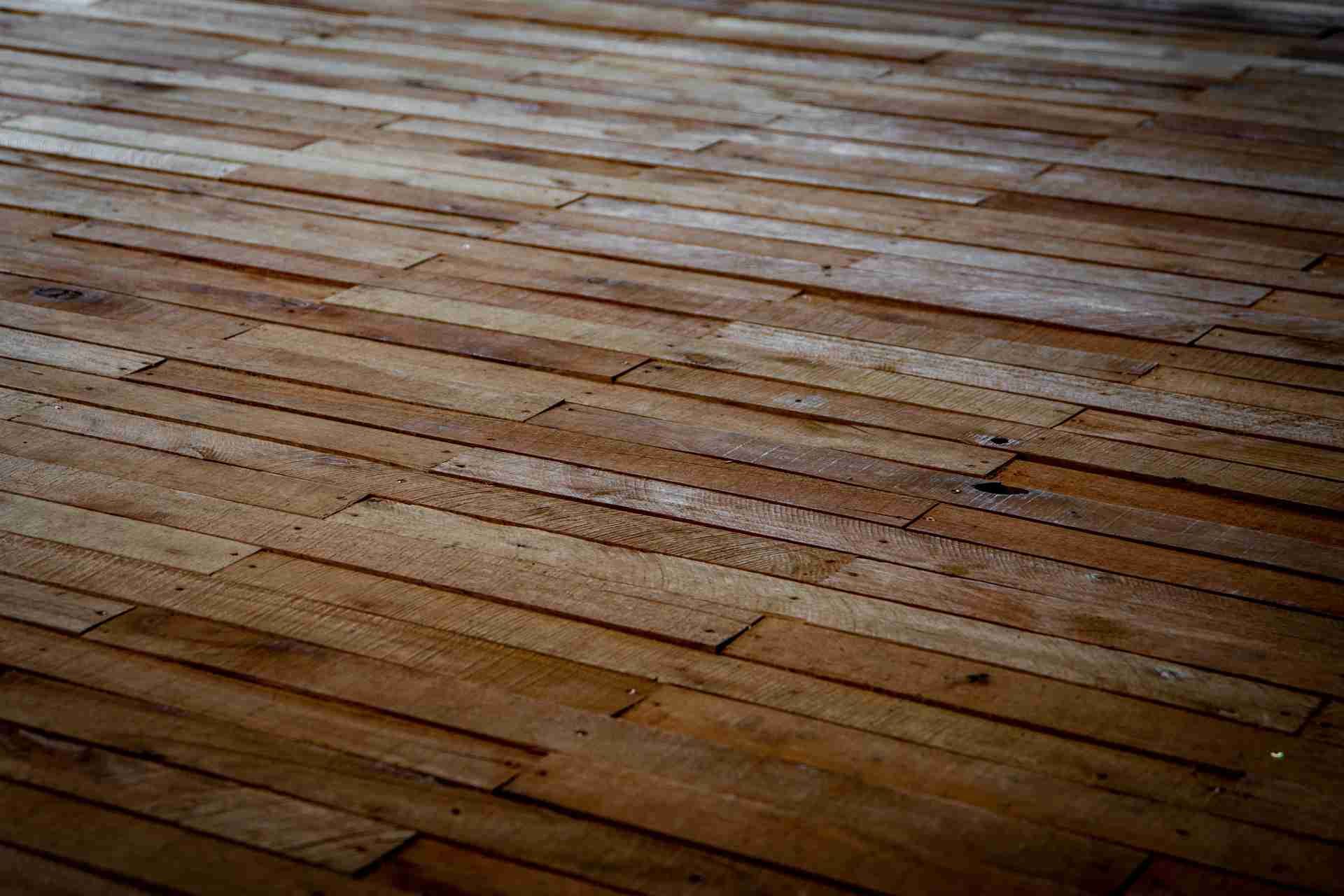
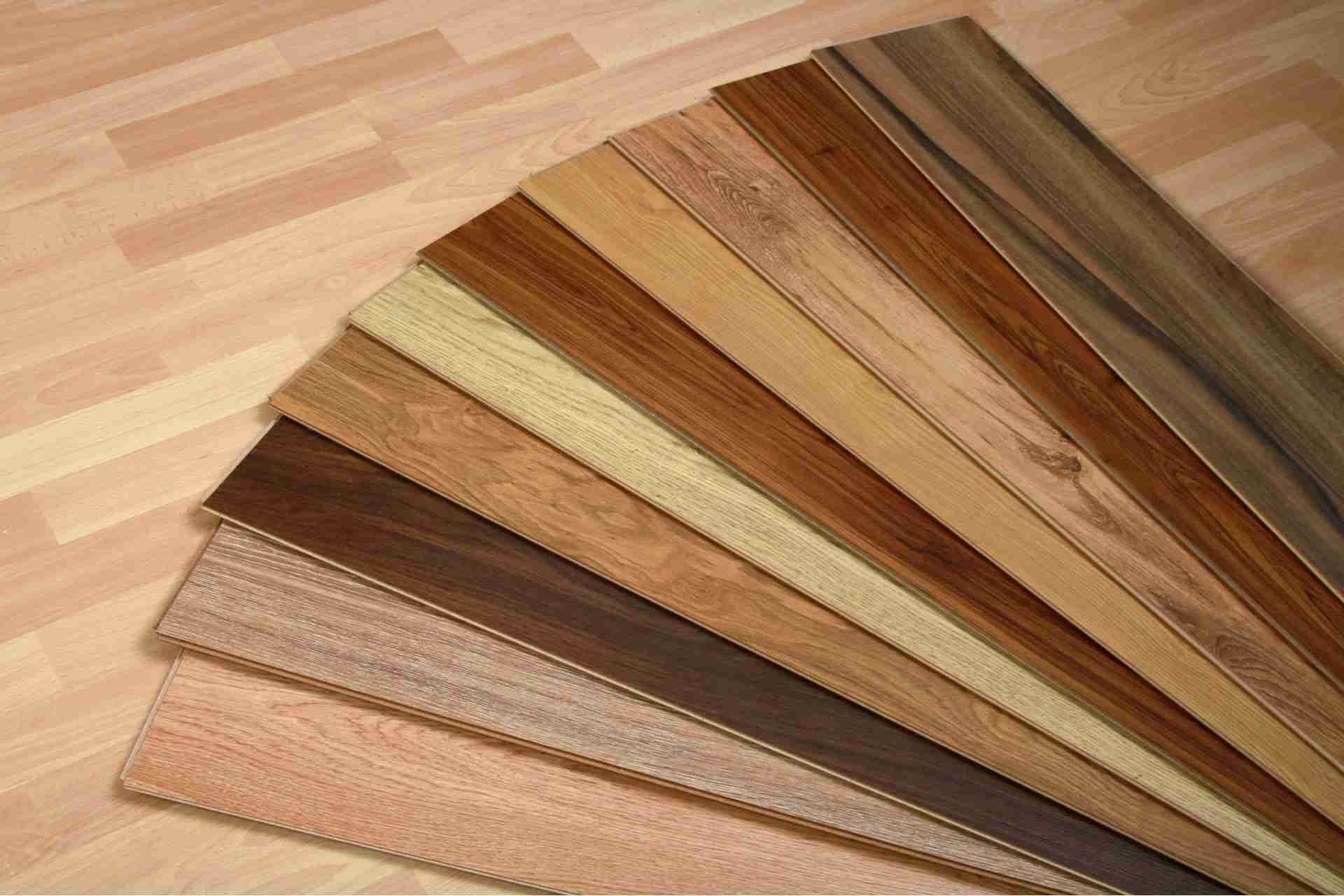
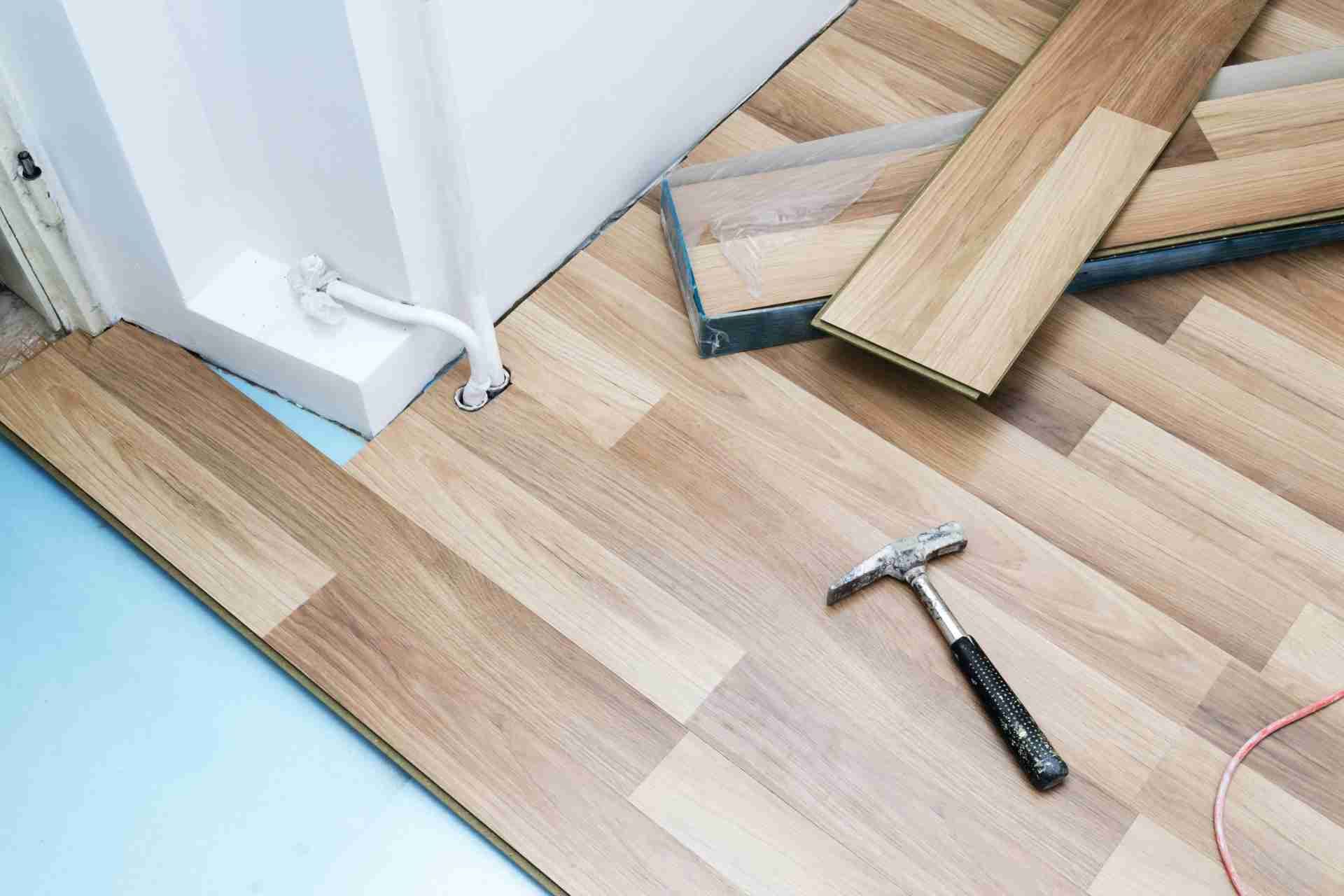
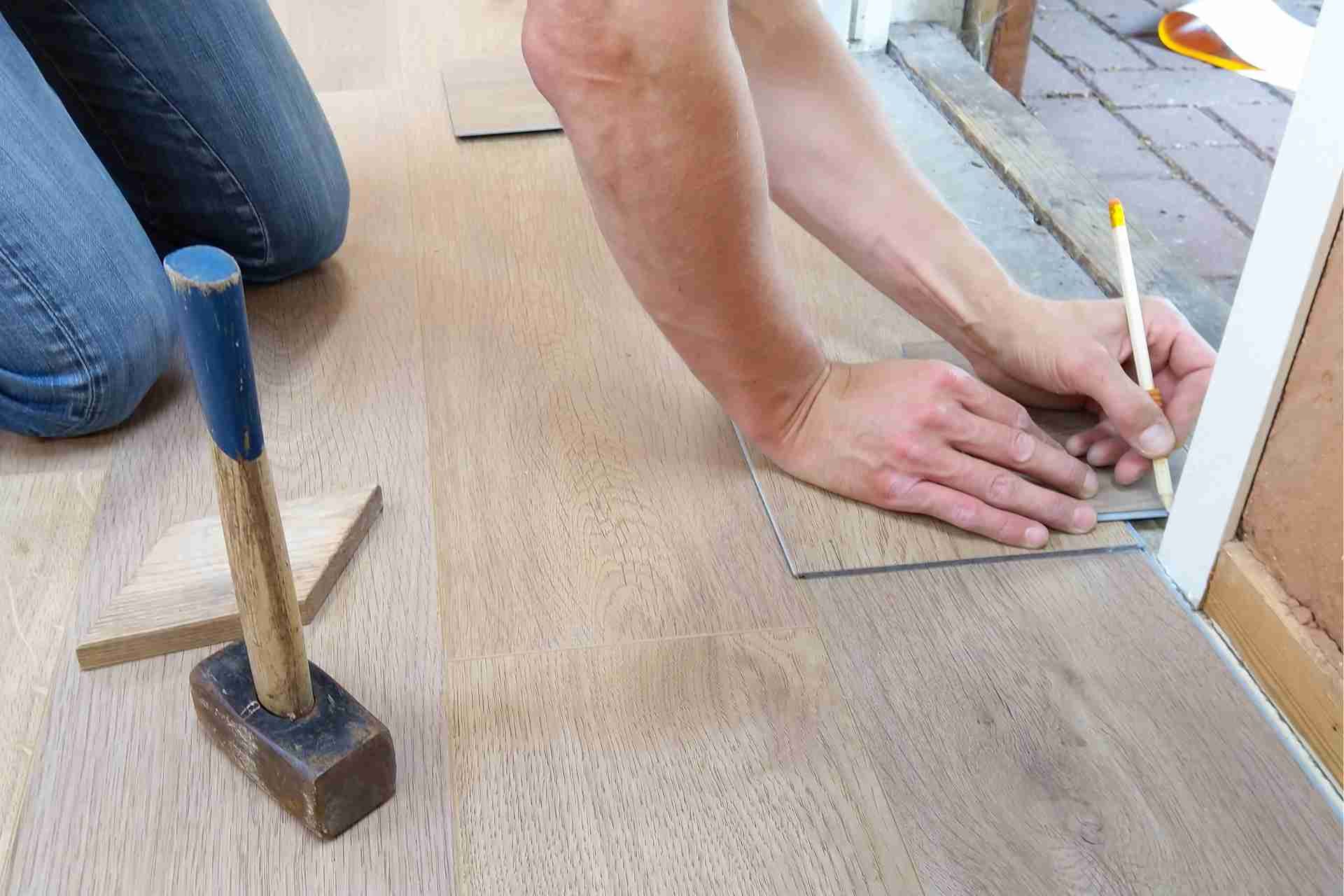
For instance, hardwood floors can expand and contract with temperature changes, leading to gaps or warping. Instead, you might want to consider laminate or tile, which can withstand these fluctuations better.
Carpeting can also be a cozy choice for colder months, providing warmth underfoot. Additionally, moisture levels in the region can affect certain materials, making it crucial to select flooring that resists humidity and water damage.
Ultimately, understanding the local climate helps you make informed decisions that enhance both comfort and durability in your home.
How Temperature Changes Affect Flooring Choices
As temperatures fluctuate throughout the year, your flooring choices can significantly impact your home's comfort and maintenance needs.
In colder months, materials like tile and stone can feel chilly underfoot, making carpets or area rugs a cozier option. If you prefer hard surfaces, consider radiant heating systems to keep your floors warm.
In the summer, hardwood floors might expand due to heat, so engineered wood could be a better choice, as it’s more stable with temperature variations. Laminates also offer durability and are less likely to warp.
Ultimately, selecting the right flooring based on temperature changes not only enhances your home’s aesthetics but also ensures comfort and reduces maintenance challenges throughout the seasons.
The Impact of Humidity on Flooring Durability
Humidity plays a significant role in the durability of flooring materials, often influencing their performance and longevity.
When humidity levels rise, certain flooring types, particularly wood, can swell, warp, or develop gaps. If you choose laminate or engineered wood, they might be more resistant to moisture compared to solid hardwood.
Vinyl and tile can also handle humidity well, making them suitable options for areas prone to dampness. High humidity can lead to mold growth, affecting both aesthetics and health.
You’ll want to consider how your flooring material reacts to moisture before making a choice. By understanding humidity's impact, you can select flooring that withstands Lancaster County's weather and maintains its beauty over time.
How to Protect Your Floors From Rain and Humidity?
To keep your floors in top shape during rainy seasons and high humidity, it's essential to take proactive measures.
First, use area rugs in high-traffic or entryway areas to absorb excess moisture. Make sure these rugs are washable and quick-drying.
Next, invest in a dehumidifier to maintain optimal indoor humidity levels; aim for around 30-50%.
Regularly clean and maintain your floors, as dirt and grime can trap moisture.
Seal any gaps in windows and doors to prevent rain from seeping in.
Lastly, consider placing moisture barriers under carpets or rugs to protect your floors further.
Top Flooring Choices for Humid and Rainy Conditions
When it comes to choosing flooring for humid and rainy conditions, you want materials that can withstand moisture without warping or deteriorating.
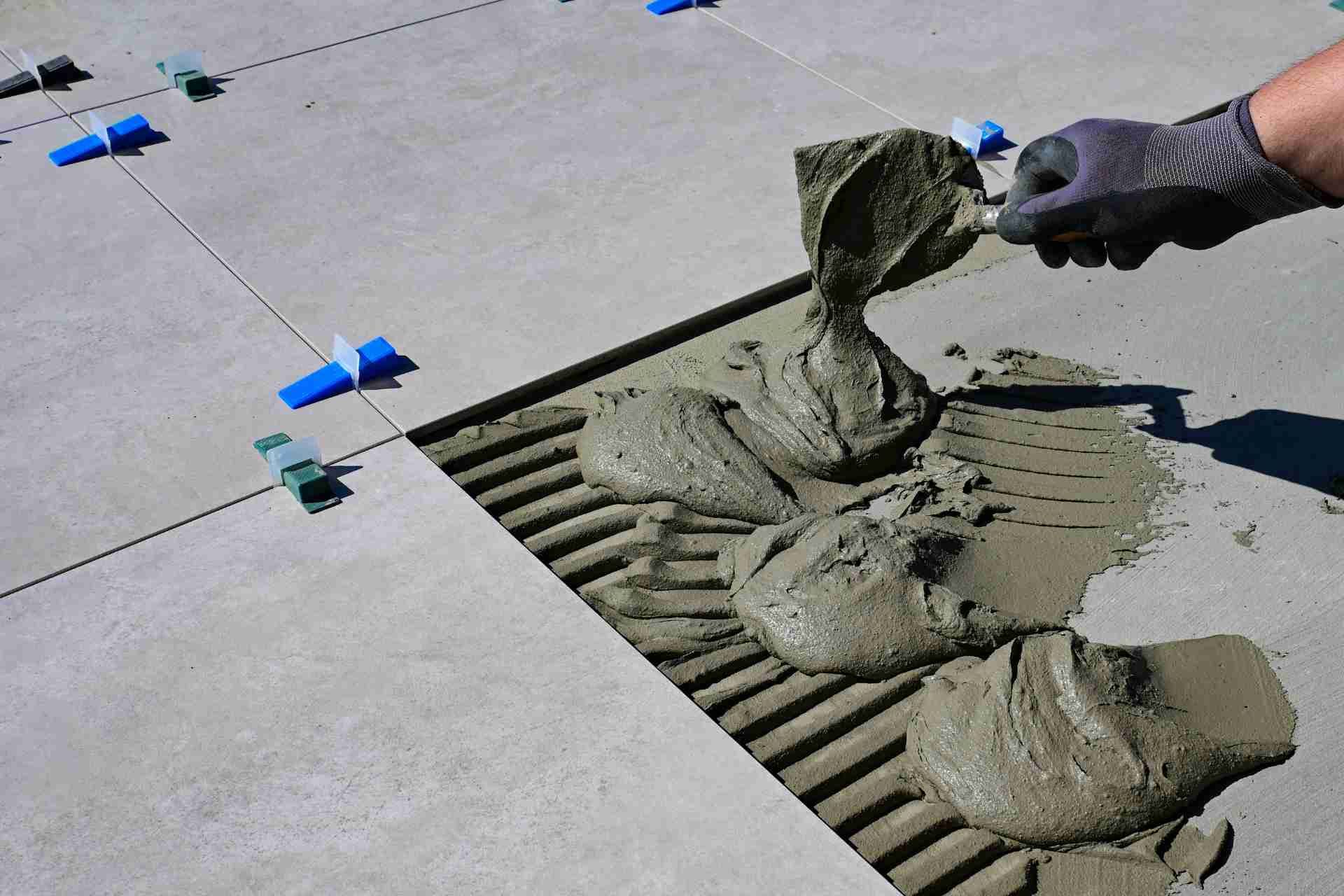
Vinyl flooring is a top choice due to its water resistance and durability, making it perfect for areas prone to dampness. Additionally, porcelain or ceramic tiles offer excellent moisture resistance and are easy to clean, giving you peace of mind.
Engineered hardwood is another viable option, as it’s more stable than solid wood and can handle humidity better. For a softer touch, consider rubber flooring, which isn't only moisture-resistant but also slip-resistant.
These materials will keep your home looking great while standing up to Lancaster County's unpredictable weather. Choose wisely, and enjoy lasting results!
Lancaster County Cold Weather Flooring Solutions
As the seasons change and cold weather sets in, it’s important to consider flooring that can handle the chill while maintaining comfort and style.
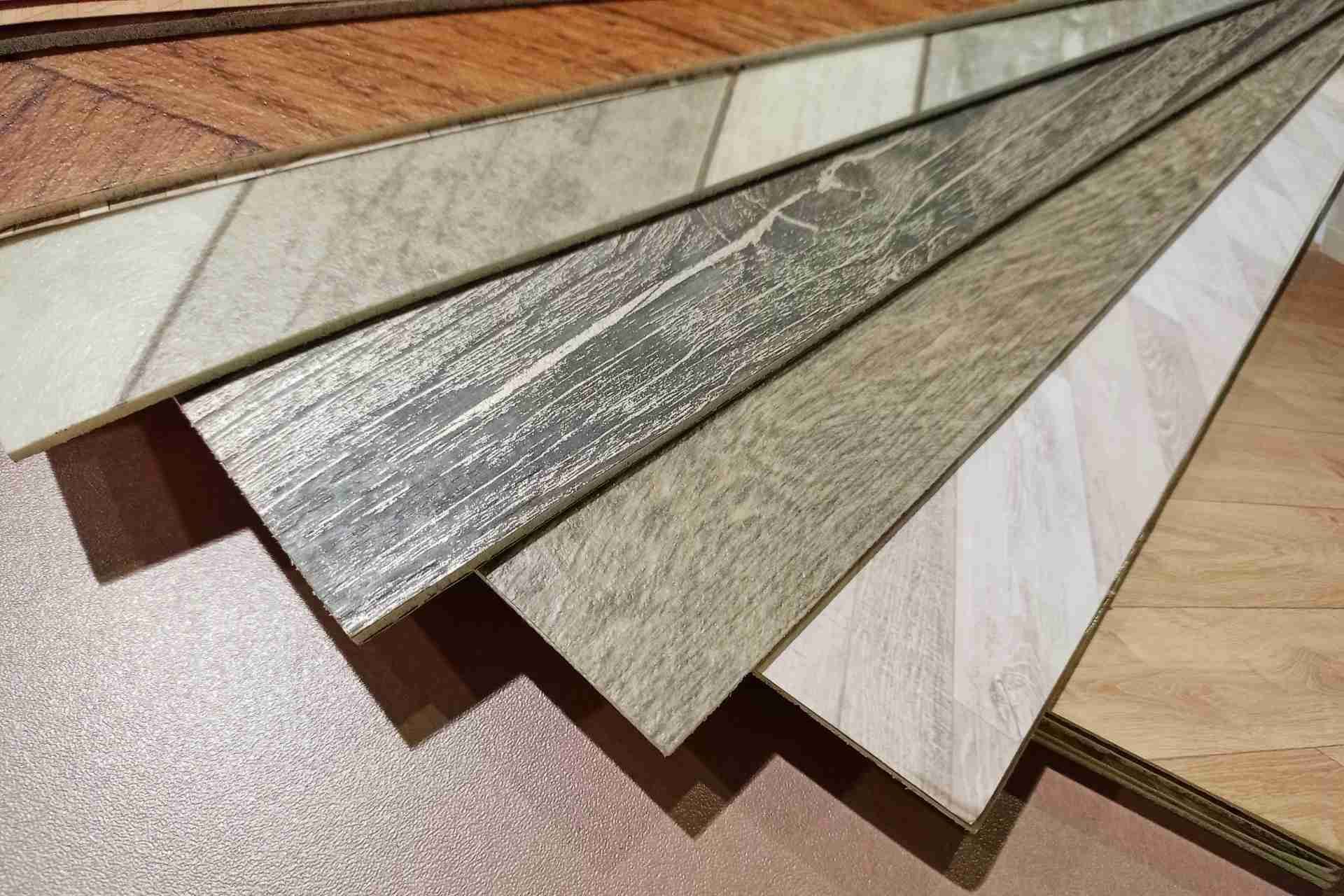
Look for materials like luxury vinyl or laminate, which offer excellent insulation and resist moisture. These options provide a warmer feel underfoot and are easy to maintain during winter months.
If you're aiming for a cozy atmosphere, consider adding area rugs to hardwood or tile floors; they’ll provide warmth and comfort.
Additionally, radiant floor heating can be a game-changer, turning your cold tiles into a welcoming surface.
Choose colors and patterns that brighten your space, making it feel inviting even on the coldest days.
Keeping these solutions in mind will ensure your home stays warm and stylish all winter long.
Avoid These Flooring Mistakes for Local Weather
Choosing the right flooring for your Lancaster County home means steering clear of common mistakes that can lead to discomfort or costly repairs.
First, don’t underestimate moisture levels; opting for hardwood in damp areas can warp or swell. Instead, consider water-resistant options like vinyl or tile.
Second, avoid neglecting insulation; cold floors can make your home uncomfortable during harsh winters.
Third, steer clear of shiny finishes that can amplify glare from sunlight, making your space less inviting.
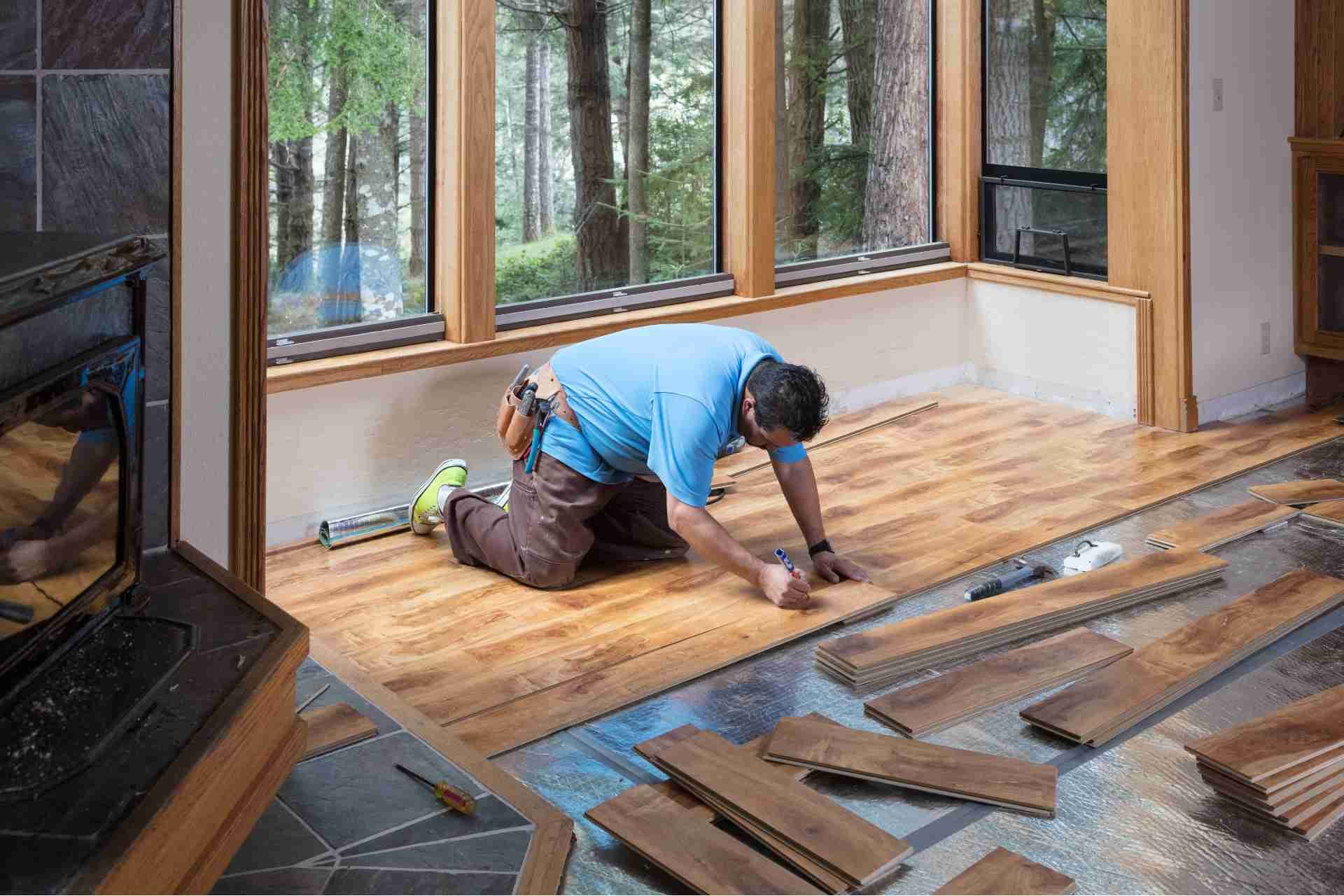
Lastly, don't forget about proper underlayment; skipping this step can lead to noise issues and wear over time.
Key Maintenance Tips for Floors in Lancaster County
Maintaining your floors in Lancaster County is essential for their longevity and appearance, especially given the area's variable weather conditions.
Start by regularly sweeping or vacuuming to remove dirt and debris, which can scratch surfaces. For hardwood floors, use a damp mop with a gentle cleaner to avoid excess moisture that could warp the wood.
In high humidity, consider using a dehumidifier to control moisture levels and prevent mold growth. If you have carpets, steam clean them periodically to maintain freshness and eliminate allergens.
Don’t forget to check for any loose boards or cracks, addressing these promptly to prevent further damage.
Lastly, consider placing mats at entryways to minimize dirt tracked indoors.
Making the Right Flooring Choice: Key Considerations
When considering flooring options for your home in Lancaster County, it’s crucial to weigh factors like climate, style, and functionality.
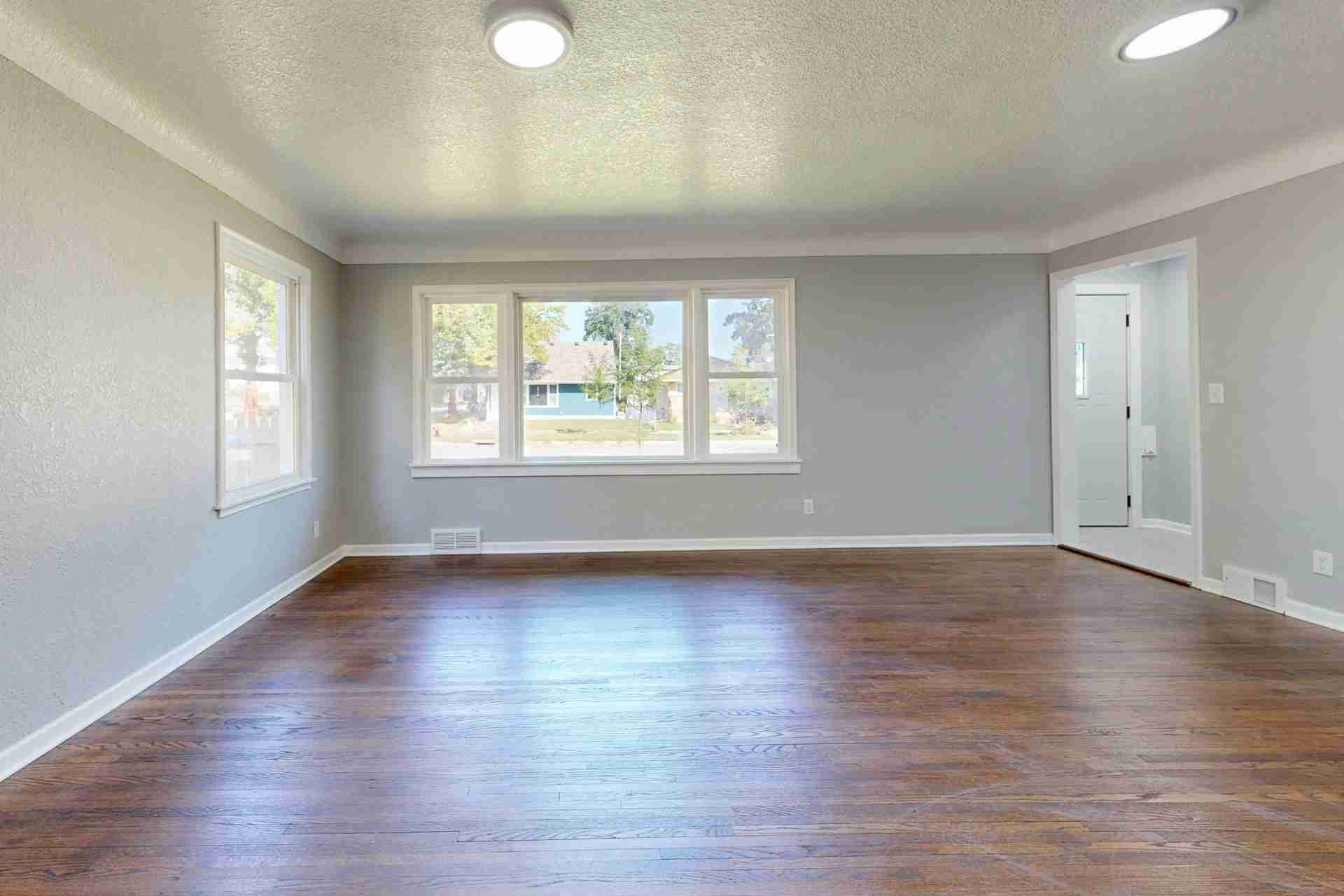
The region's humidity can affect materials, so you’ll want to choose options that resist warping and moisture damage. Hardwood floors offer elegance but require more maintenance in damp conditions. Luxury vinyl planks, on the other hand, provide water resistance and durability, making them a practical choice for fluctuating weather.
Think about your lifestyle too. If you have pets or kids, you might prioritize scratch-resistant surfaces.
Lastly, consider your home’s overall aesthetic. Aim for a flooring style that complements your decor while meeting your practical needs.
With these considerations in mind, you can make an informed choice that lasts.
Conclusion
In Lancaster County, your flooring choice can make all the difference in how well your home stands up to the climate. By understanding how temperature and humidity affect your floors, you can select materials that offer both durability and comfort. Remember to consider options like laminate or vinyl for moisture resistance, and don’t forget to maintain your floors regularly. With the right choices, you’ll enjoy a beautiful and resilient home no matter the weather outside.