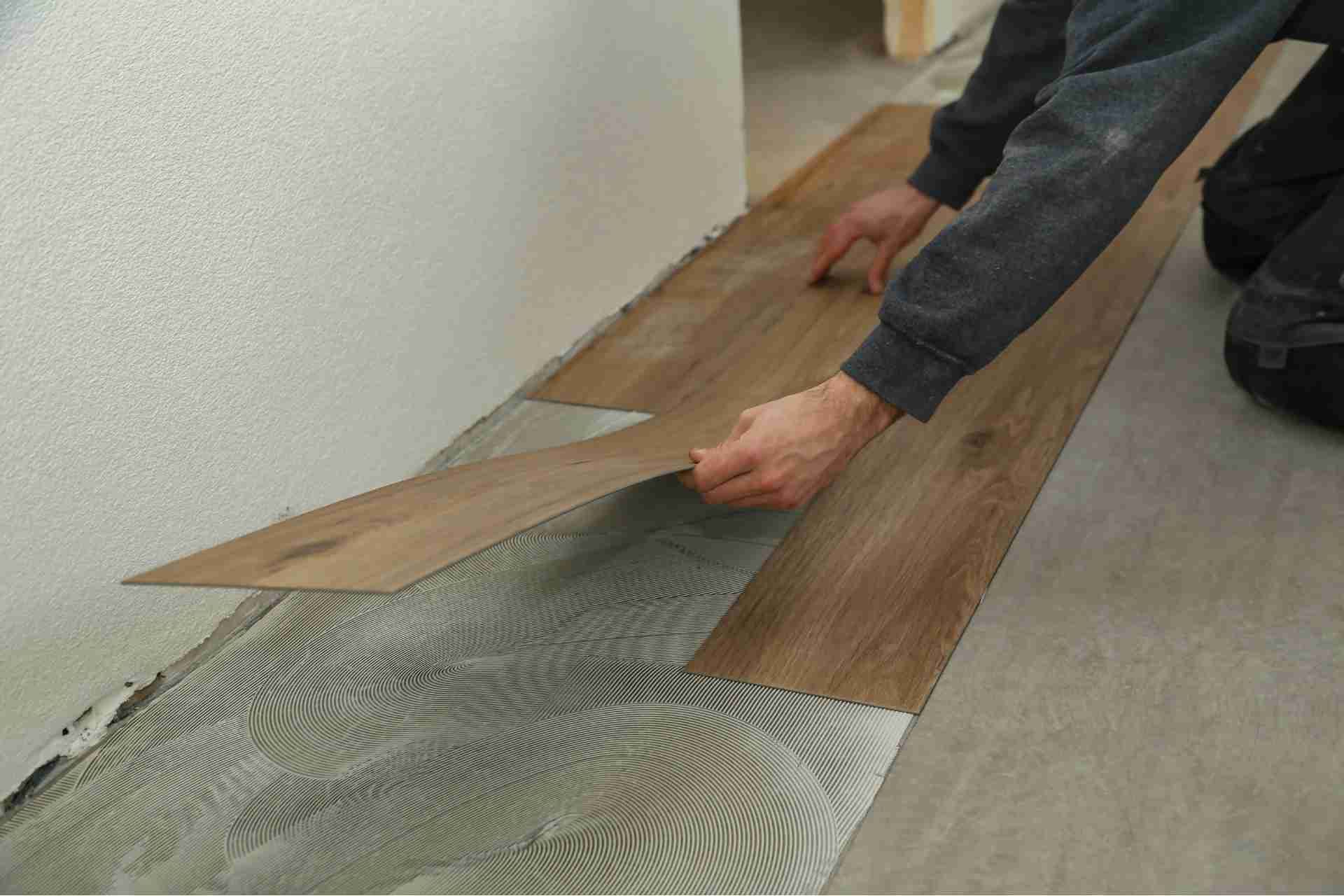
7 Signs It's Time to Replace Your Flooring Instead of Cleaning It
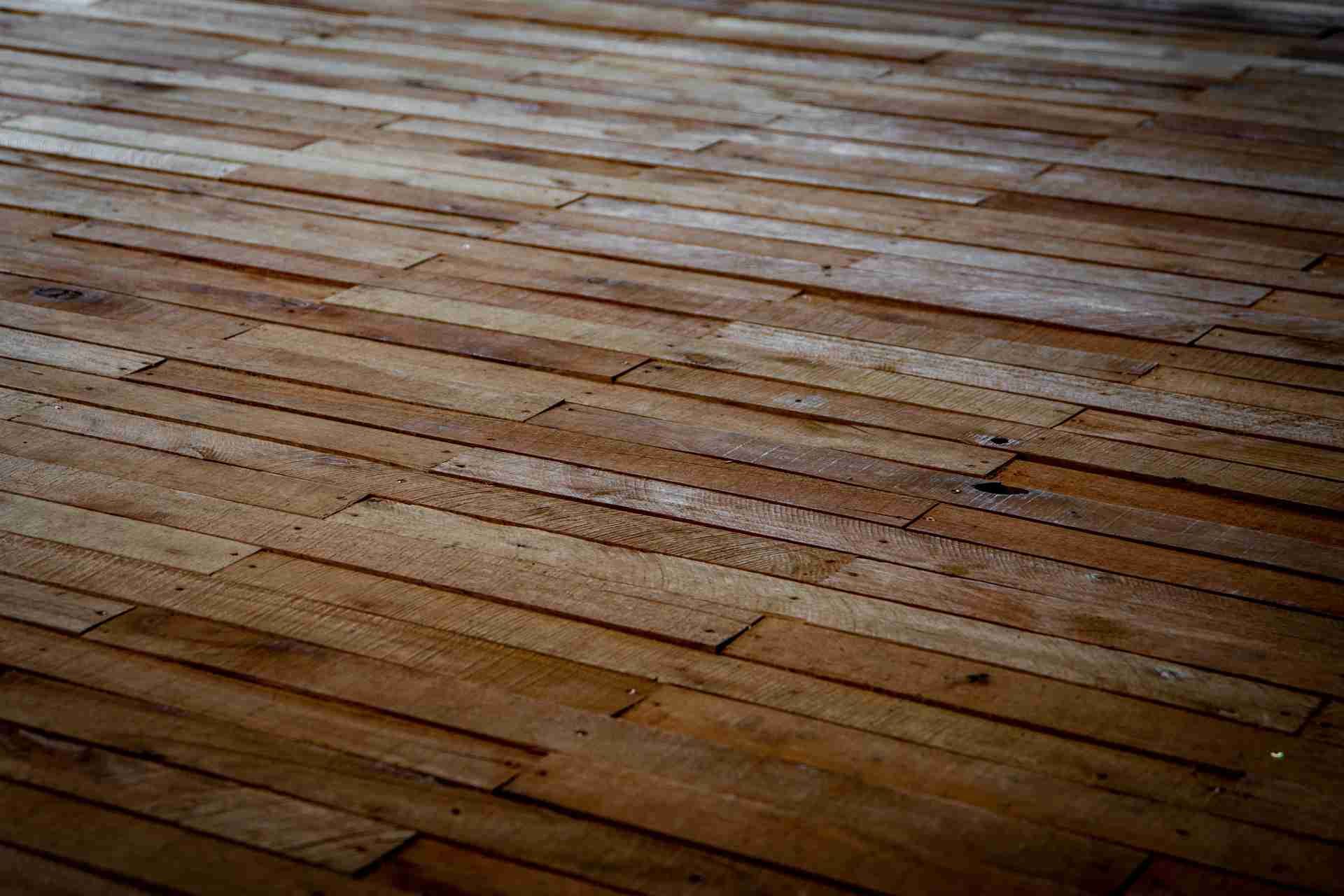
If you’ve noticed your flooring showing signs of wear, it might be time to reconsider your cleaning routine. Scratches, stubborn stains, and lingering odors can signal deeper problems that a simple clean won’t fix. Warped planks and outdated materials add to the list of concerns that could impact your home’s health and appearance. So, how do you know when it's truly time for a change? Let’s explore the signs that indicate replacement is the better option.
How to Identify Signs of Wear and Tear on Your Flooring
As you walk through your home, keep an eye out for signs of wear and tear on your flooring, since these can indicate it's time for a replacement.
Look for scratches, dents, or chips, especially in high-traffic areas. If you notice fading or discoloration, that’s another red flag.
Check for any buckling or warping, which can signal moisture damage. You might also feel unevenness underfoot; this could indicate deeper issues.
Pay attention to squeaks or creaks when you walk; they can suggest structural problems.
Lastly, if cleaning doesn’t restore your flooring’s appearance, it may be time to consider a new installation.
Dealing With Persistent Stains That Won't Budge
While you may have tried various cleaning methods, some stubborn stains just won’t budge, leaving your flooring looking less than pristine.
If you’ve scrubbed, soaked, and even used specialized cleaners without success, it may be time to consider replacement. Persistent stains can indicate deeper issues, like damage beneath the surface.
You might find it frustrating to keep your floors clean when these marks refuse to disappear. Instead of wasting time and money on ineffective solutions, assess the overall condition of your flooring.
If stains are widespread or affecting multiple areas, replacing the flooring could be your best option. A fresh start won't only enhance your home’s appearance but also improve overall hygiene and functionality.
Don’t settle for stained floors!
How Odors From Your Flooring Can Affect Your Home
If you notice a persistent odor emanating from your flooring, it can significantly impact your home's overall atmosphere.
These unpleasant smells may make your space feel unwelcoming, affecting both your comfort and potential visitors' impressions. Often, odors can be a sign of trapped moisture, mold, or even pet accidents that regular cleaning can't eliminate.
Ignoring these smells may lead to a decline in air quality, which could affect your health. You might find yourself constantly trying to mask the odor with air fresheners, but that’s just a temporary fix.
Instead of living with this discomfort, consider replacing your flooring to create a fresher, healthier environment. A new floor can't only eliminate odors but also enhance your home's aesthetic appeal.
Signs of Water or Moisture Damage in Your Flooring
Water or moisture damage in your flooring can manifest in several obvious ways. You might notice warped or buckled planks, which indicate that moisture has infiltrated the material.
Look for discoloration or dark spots, as these can be signs of mold or mildew developing beneath the surface. If your flooring feels spongy or soft when you walk on it, that’s another red flag, suggesting that the structure has been compromised by water.
Additionally, persistent dampness or a musty odor could indicate hidden leaks. If you spot any of these signs, it’s crucial to act quickly, as prolonged exposure to moisture can lead to more extensive damage and costly repairs.
Don’t ignore these warning signals!
How Old Flooring Affects Allergies and Health
As flooring ages, it can become a breeding ground for allergens and health issues, impacting your indoor air quality. Dust mites, mold, and pet dander often settle in worn-out carpets or cracks in hard flooring, worsening allergy symptoms.
If you find yourself sneezing, coughing, or experiencing respiratory problems more frequently, your old flooring might be to blame.
Additionally, outdated materials may emit volatile organic compounds (VOCs) that can irritate your lungs and skin. Even if you clean regularly, these contaminants can linger, making your home feel less healthy.
Replacing your flooring with newer, hypoallergenic options can significantly improve your living environment and reduce allergy triggers.
Don't overlook your flooring's role in maintaining a healthy home!
Is Your Flooring Style Outdated?
Have you taken a good look at your flooring lately? If you’re noticing that your floors don’t match your current style or the latest trends, it might be time for a change.
Outdated flooring can drag down the overall appearance of your home, making spaces feel less inviting. Think about how much time you spend in each room; your flooring should enhance that experience, not detract from it.
If you’re still sporting carpets from the '90s or vinyl that screams retro, consider updating to a modern look. New flooring can transform your home’s ambiance and reflect your personality better.
Don't let outdated styles hold you back from creating a space you love. It's worth investing in flooring that feels fresh and stylish.
Repairing vs. Replacing: What to Weigh?
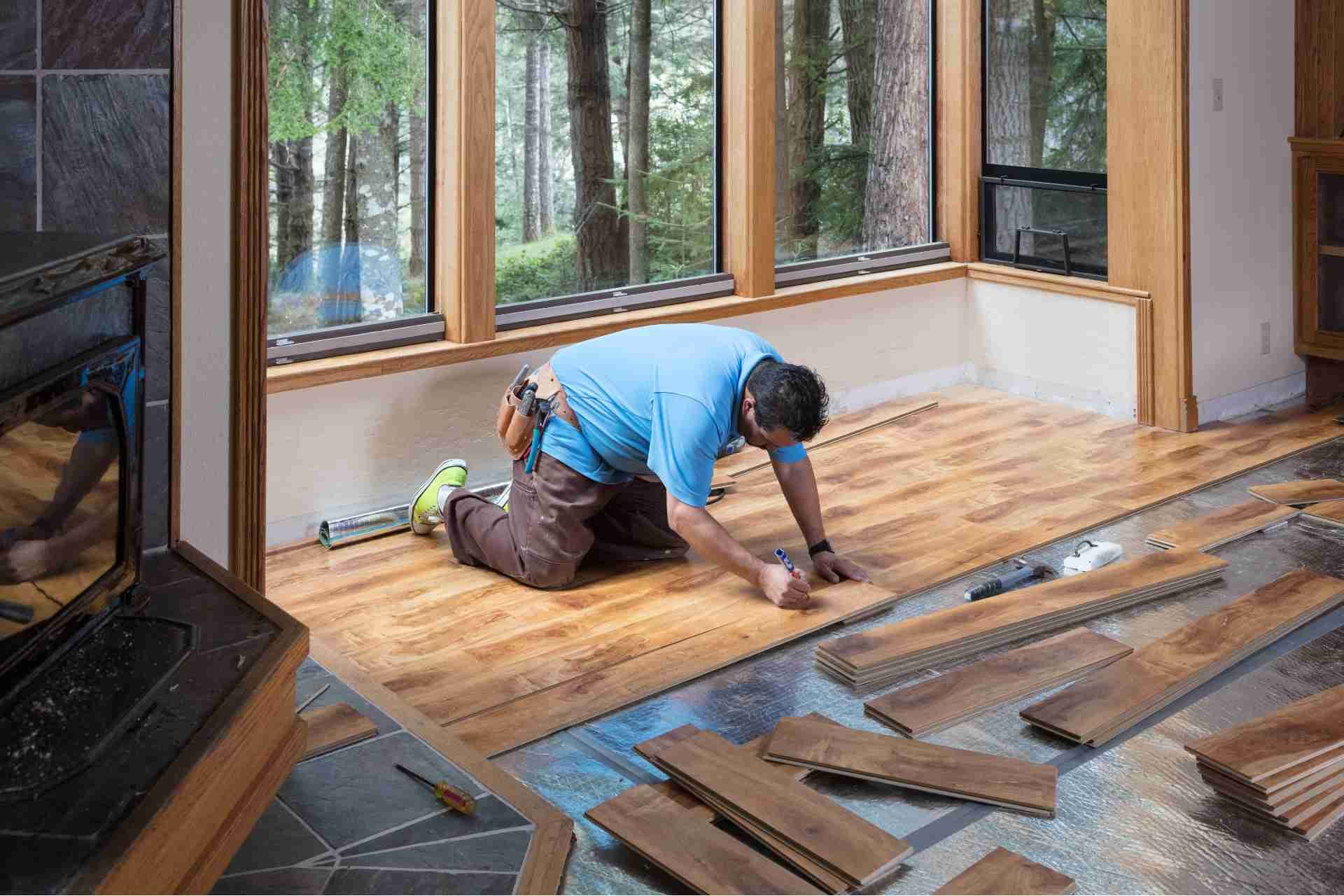
Updating your flooring can breathe new life into your home, but before you make any decisions, it’s important to consider whether to repair or replace what you have.
Start by assessing the extent of the damage. If it's minor wear and tear, a repair might be all you need. However, if you're facing widespread issues like deep scratches, warping, or stains, replacement could be the better option.
Also, think about your long-term goals. If you're planning to stay in your home for years, investing in new flooring might be worthwhile.
On the other hand, if you’re looking to sell soon, a simple repair could suffice to enhance your home’s appeal without breaking the bank.
Weigh your options carefully!
Conclusion
If you’re noticing these signs of wear and tear on your flooring, it might be time to make a change. Stubborn stains, persistent odors, and moisture damage can compromise your home’s health and aesthetics. Plus, outdated materials can affect your indoor air quality. Weigh the benefits of repair versus replacement carefully. Investing in new flooring can enhance your living space and provide a fresh start for your home’s atmosphere. Don’t wait—take action for a healthier, more beautiful environment!