How Often Should You Professionally Clean Your Carpets? A Homeowner’s Guide

October 3, 2025
How Often Should You Professionally Clean Your Carpets? A Homeowner’s Guide
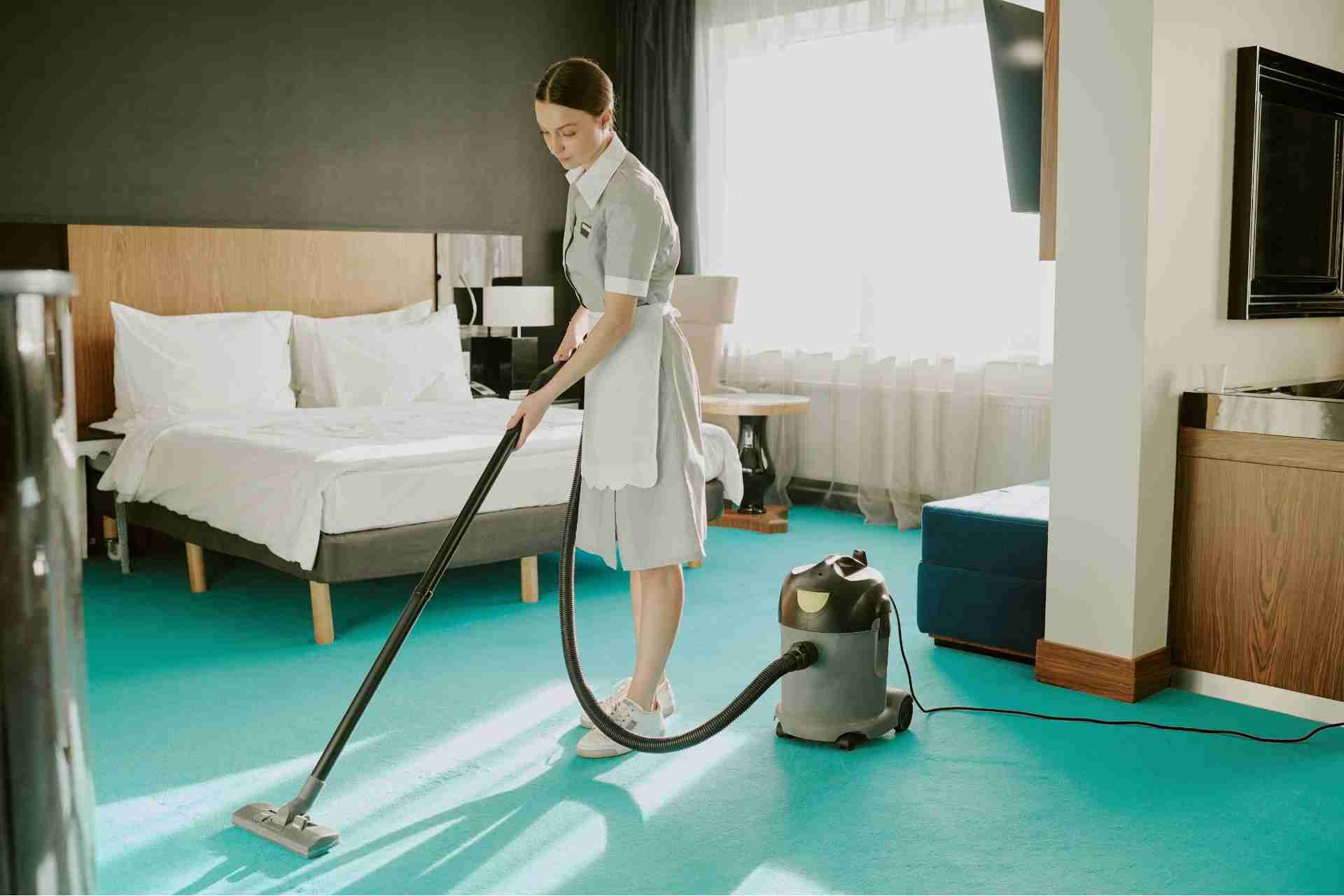
When it comes to carpet care, knowing how often to schedule professional cleanings can make a significant difference in your home's health and appearance. Factors like foot traffic, pets, and allergies play a crucial role in determining the right frequency for your carpets. So, how do you figure out what works best for you? Let's explore the guidelines and signs that indicate when your carpets need some extra attention.


Understanding the Importance of Professional Carpet Cleaning

While you might think regular vacuuming is enough to keep your carpets clean, professional carpet cleaning plays a crucial role in maintaining their appearance and longevity.


Over time, dirt, allergens, and stains can embed deep within the fibers, making them difficult to remove with a standard vacuum. Professional cleaners use specialized equipment and techniques that reach these hidden debris, ensuring a thorough clean.


This process not only improves the aesthetic appeal of your carpets but also extends their lifespan, saving you money in the long run.


Plus, professional cleaning can eliminate odors and allergens, creating a healthier home environment for you and your family.


Investing in professional carpet cleaning is essential for keeping your carpets in top condition.


Factors That Influence Cleaning Frequency

Several factors can influence how often you should clean your carpets, ensuring they stay looking fresh and last longer.


First, consider the foot traffic in your home. High-traffic areas accumulate dirt and grime more quickly, necessitating more frequent cleaning.


If you have pets, their hair and dander can also contribute to a need for regular maintenance.


Allergies are another factor; if you or your family members are sensitive, more frequent cleanings can help improve indoor air quality.


Additionally, the type of carpet material plays a role; some fibers trap dirt more easily than others.


Lastly, local climate conditions, like humidity and dust levels, can affect how often you need to clean.


Keep these factors in mind to determine your ideal cleaning schedule.


Recommended Cleaning Schedules for Different Homes

To maintain pristine carpets, you should follow a cleaning schedule tailored to your home's specific needs.


If you have kids or pets, aim for professional cleaning every 6 to 12 months. For homes without heavy foot traffic, a yearly cleaning might suffice.


If you live in a high-allergen area or have respiratory issues, consider a professional clean every 3 to 6 months to reduce dust and allergens. Seasonal cleaning can also be beneficial, especially during spring and fall, to refresh your carpets.


If you notice stains or odors, don't wait for your scheduled cleaning; address those issues promptly.


Adjust your cleaning frequency based on lifestyle changes to keep your carpets looking their best.


Signs Your Carpets Need Immediate Professional Cleaning

If you notice persistent stains or unpleasant odors in your carpets, it's time to call in the professionals. These signs indicate that dirt, allergens, or bacteria have built up beyond what regular vacuuming can handle.


Additionally, if you see visible mold or mildew, especially in damp areas, don't hesitate to reach out for expert help. High traffic areas that look worn or discolored also suggest your carpets need immediate attention.


If you've recently had a pet accident or a major spill, professional cleaning is crucial to avoid lingering odors or stains.


Lastly, if you or your family members are experiencing increased allergy symptoms, it might be due to trapped allergens in your carpets, signaling the need for professional intervention.


DIY vs. Professional Cleaning: What You Should Know

After addressing those urgent cleaning needs, you might wonder whether to tackle carpet care on your own or call in the pros.


DIY cleaning can save you money and allow you to clean when it's convenient. However, you may not have access to the same powerful equipment and cleaning solutions that professionals use. If you choose to go the DIY route, be sure to follow the manufacturer's recommendations and use proper techniques to avoid damaging your carpets.


On the other hand, professional cleaning guarantees a deep clean that removes allergens and tough stains effectively.


Ultimately, it comes down to your budget, time, and the specific needs of your carpets. Weigh these factors carefully to make the best choice for your home.


Maintaining Your Carpets Between Professional Cleanings

Regularly maintaining your carpets between professional cleanings is essential for keeping them looking fresh and lasting longer.


Start by vacuuming at least once a week to remove dirt and debris. Pay extra attention to high-traffic areas, as these tend to accumulate grime quickly.


If spills occur, clean them up immediately using a blotting technique with a clean cloth and mild detergent. Avoid rubbing, as it can damage the fibers.


Consider using a carpet protector to resist stains and dirt.


Every few months, you might want to perform a deeper clean using a carpet cleaner or shampoo.


Lastly, rotate your furniture occasionally to prevent uneven wear and tear, ensuring your carpets stay vibrant and inviting for years to come.


Conclusion

In conclusion, keeping your carpets clean is essential for a healthy home. By understanding the factors that influence cleaning frequency and recognizing when your carpets need professional care, you can maintain their appearance and longevity. Whether you have kids, pets, or allergies, establishing a regular cleaning schedule will make a big difference. Don't forget to tackle stains and odors promptly, and incorporate some DIY maintenance to keep your carpets looking their best between professional cleanings.
Pet Odor & Stain Removal: Tips Every Pet Owner Should Know
February 6, 2026
As a pet owner, you know that odors and stains can be an ongoing struggle. It's essential to understand what causes these issues and how to tackle them effectively.
Carpet Cleaning Frequency: How Often Should You Really Clean Your Carpets?
February 4, 2026
When it comes to carpet cleaning frequency, figuring out the right schedule for your home can be tricky. You might think it’s enough to clean once a year, but that rarely suits everyone’s needs.
How to Choose the Right Carpet Cleaning Method for Your Home
February 2, 2026
Choosing the right carpet cleaning method for your home can seem daunting, but it doesn’t have to be. You’ll need to consider your carpet's material, your lifestyle, and even your budget.
Flooring: LVT vs LVP
January 9, 2026
When it comes to choosing the right flooring for your space, you might find yourself torn between Luxury Vinyl Tile (LVT) and Luxury Vinyl Plank (LVP).
Are Laminate Wood Floors Waterproof
January 7, 2026
When considering laminate wood floors, you might wonder if they're truly waterproof.
What types of flooring materials are best for high traffic commercial spaces?
January 5, 2026
When it comes to high traffic commercial spaces, choosing the right flooring material is crucial.
How to Choose a Reliable Flooring & Carpet Cleaning Contractor: 10 Questions to Ask
December 8, 2025
Avoid costly mistakes. Ask these 10 key questions to find a trustworthy flooring and carpet cleaning contractor near you.
Common Flooring Problems in Pennsylvania Homes (And How We Fix Them)
December 5, 2025
From moisture damage to worn finishes, explore common PA flooring problems and how our experts fix them fast and effectively.
The ROI of Professional Flooring & Cleaning Services: How Much Value Does It Add?
December 3, 2025
Wondering if professional flooring and cleaning are worth it? Learn how these services increase home value, lifespan, and appeal.
How to Properly Maintain & Protect Your Floors After Installation
November 7, 2025
After installing new floors, it's crucial to understand how to keep them looking their best. Regular maintenance can prevent damage and extend their lifespan. You'll want to establish a cleaning routine and take simple steps to protect your investment. But what should you do when spills happen, or how can you effectively prevent scratches? Let's explore the essential practices that will keep your floors beautiful and durable for years to come. Understanding Your Flooring Type Your flooring type plays a crucial role in how you maintain it. Each material—be it hardwood, laminate, tile, or carpet—has its own unique needs. For instance, hardwood requires regular polishing and humidity control to prevent warping, while carpet needs frequent vacuuming to keep dirt and allergens at bay. Tile flooring, on the other hand, often demands grout cleaning to maintain its appearance. Understanding these differences helps you choose the right cleaning products and techniques. For example, avoid using water on unsealed wood floors, as it can cause damage. Knowing your flooring type enables you to create a tailored maintenance plan, ensuring your floors remain beautiful and last for years. So, take the time to learn about your flooring! Regular Cleaning Routines While it may seem tempting to let cleaning slide, establishing a regular cleaning routine is essential for maintaining your floors' beauty and longevity. Start by sweeping or vacuuming at least once a week to remove dirt and debris that can scratch the surface. Depending on your flooring type, mop with a suitable cleaner every month to keep it looking fresh. Don't forget to spot clean spills immediately to prevent stains and damage. Use rugs at entryways to catch dirt from shoes, and consider using felt pads under furniture to avoid scratches. Preventative Measures for Longevity To ensure your floors last as long as possible, taking preventative measures is crucial. First, place mats at entry points to trap dirt and moisture before it reaches your floors. This simple step can significantly reduce wear and tear. Next, consider using furniture pads under heavy items to prevent scratches and dents. Regularly inspect high-traffic areas and rotate furniture to distribute weight evenly, minimizing indentations. If your floors are exposed to sunlight, use curtains or UV films to protect them from fading. Finally, maintain a consistent indoor humidity level to prevent warping or cracking. Dealing With Spills and Stains Even with preventative measures in place, spills and stains can still happen. When they do, act quickly. Grab a clean, dry cloth or paper towel and blot the spill immediately—don't rub, as that can spread the mess. For tougher stains, mix a few drops of mild dish soap with warm water. Dampen a cloth in the solution and gently wipe the area, then rinse with clean water. Always test any cleaning solution in an inconspicuous spot first. For hardwood floors, avoid excessive moisture; too much water can warp the wood. If you're dealing with specific substances like wine or ink, look for specialized cleaners suited for your floor type. Protecting Floors From Furniture and Foot Traffic Protecting your floors from furniture and foot traffic is essential for maintaining their beauty and longevity. Start by using felt pads under furniture legs to prevent scratches and dents. Make sure to check these pads regularly, replacing them as needed. When moving furniture, lift it instead of dragging, as this can cause significant damage. For high-traffic areas, consider area rugs to absorb some of the wear. Choose non-slip mats to keep them in place and prevent slips. Encourage family members and guests to remove shoes at the door to minimize dirt and debris. Finally, keep your floors clean by sweeping or vacuuming regularly to remove grit that can scratch surfaces. Taking these steps will help keep your floors looking pristine for years to come. Seasonal Maintenance Tips As seasons change, the maintenance of your floors requires attention to different challenges they may face. In the spring, be sure to deep clean and remove any dirt or allergens that have accumulated during the winter months. Summer brings humidity, so use dehumidifiers to prevent moisture damage, especially for wood floors. In the fall, clean up leaves and debris that could scratch surfaces. Winter requires extra care; use mats at entrances to minimize salt and snow exposure, and consider using furniture coasters to prevent dents from heavy items. Regularly check for signs of wear and apply appropriate products to protect your floors. Conclusion By following these maintenance tips, you can keep your floors looking beautiful and lasting longer. Regular cleaning, preventative measures, and prompt spill management are key to protecting your investment. Don't forget to use mats and furniture pads to minimize wear and tear. Stay vigilant about humidity levels and seasonal changes to ensure your floors remain in top shape. With a little effort, your floors will continue to shine and withstand daily life's challenges for years to come.
More Posts