Water Damage Restoration Process
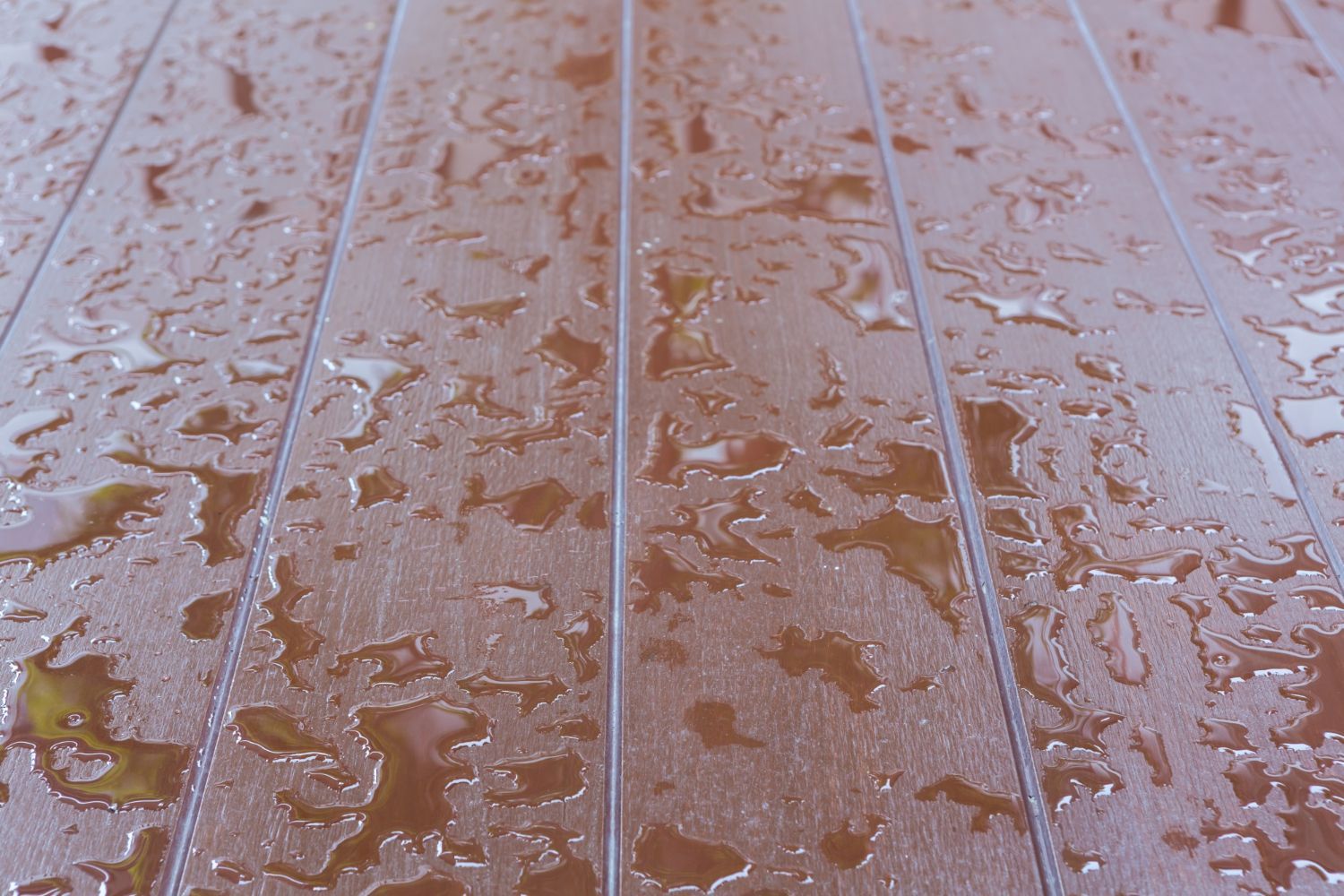
Unforeseen water damage can wreak havoc on homes and businesses, leaving behind a trail of destruction and potential health hazards. Whether caused by burst pipes, flooding, leaks, or other unforeseen events, water damage demands swift and precise action to prevent further deterioration.
By understanding the intricacies of water damage restoration, you'll gain valuable insights into safeguarding your property and swiftly recovering from the challenges posed by water-related disasters. Learn the process of water damage restoration – a meticulously orchestrated sequence of steps designed to assess, mitigate, and restore properties to their pre-damaged condition.
Breakdown of Water Damage Restoration
The water damage restoration process involves several key steps to effectively assess, mitigate, and restore a property that has been affected by water damage. Here's a more detailed breakdown of each step:
Emergency Contact
As soon as water damage is discovered, contact a professional
water damage restoration company. Many companies offer 24/7 emergency services to respond quickly to mitigate further damage.
Initial Assessment
When the restoration team arrives, they will conduct an initial assessment of the extent and type of water damage. They'll determine the category of water (clean, gray, or black) and assess the affected areas.
Water Removal
Using specialized pumps and vacuums, the team will begin the process of removing standing water from the premises. This step is critical to prevent additional damage and mold growth.
Drying and Dehumidification
After standing water is removed, industrial-grade dehumidifiers and air movers are strategically placed to remove moisture from the air and affected materials. This helps prevent mold growth and further damage.
Removal of Damaged Materials
Any materials that are beyond repair, such as soaked drywall or insulation, may need to be removed and properly disposed of to prevent mold and structural issues.
Cleaning and Disinfecting
The affected surfaces, belongings, and materials are thoroughly cleaned and disinfected to remove contaminants and bacteria. This step helps ensure a safe and healthy environment.
Mold Inspection and Remediation
If mold growth is detected or suspected, a thorough
mold inspection is conducted. If necessary, mold remediation experts will remove and properly dispose of mold-affected materials. They'll also treat the area to prevent further mold growth.
Structural Repairs
Depending on the extent of the damage, structural components such as walls, flooring, and ceilings may need to be repaired or replaced. This step can range from minor repairs to extensive renovations.
Content Restoration
Personal belongings and items affected by water damage are carefully assessed. Some items can be restored through drying, cleaning, and disinfecting processes, while others may need to be discarded.
Final Inspection
Once the restoration work is complete, a final inspection is conducted to ensure that all water damage has been properly addressed and that the property is safe for occupancy.
Documentation
Throughout the process, detailed documentation is maintained. This documentation is often required for insurance claims and future reference.
Preventative Measures
The
restoration team may provide recommendations to prevent future water damage, such as improving drainage, fixing leaks, and ensuring proper ventilation.
Average Cost for Water Damage Restoration
The average cost of water damage restoration can vary widely based on several factors, including the severity of the damage, the size of the affected area, the type of water (clean, gray, or black), the location, and the specific restoration services required.
- Minor Water Damage: For small-scale incidents, such as a localized leak or a small area of water intrusion, the cost could range from a few hundred to a few thousand dollars. This might include drying, cleaning, and minor repairs.
- Moderate Water Damage: If a larger area or multiple rooms are affected, the cost could range from $2,000 to $10,000 or more. This could involve more extensive drying, repairs, and possibly some replacement of materials.
- Severe Water Damage: In cases of significant water damage, such as a flooded basement or extensive structural damage, the cost can escalate to $10,000 or more. This could include major repairs, mold remediation, and possibly temporary relocation costs.
Call an Expert
Water damage restoration is typically carried out by professional restoration companies with expertise in handling water-related issues. These companies have the necessary equipment, knowledge, and experience to ensure that the property is restored to its pre-damaged condition as much as possible. If you're dealing with water damage, it's advisable to contact a reputable restoration company to assess the situation and guide you through the restoration process.