Methods for Cleaning of Different Types of Floor Surfaces
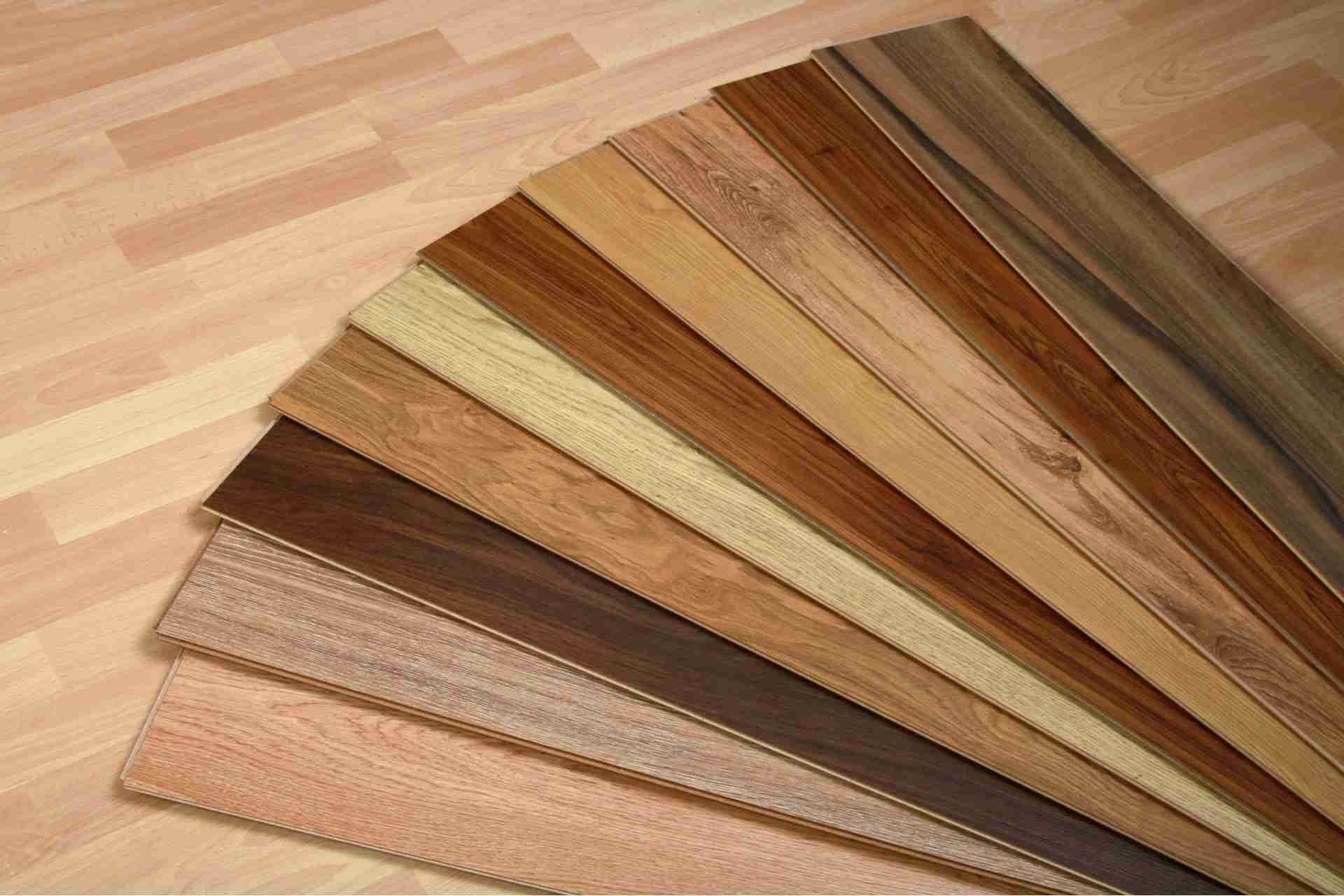
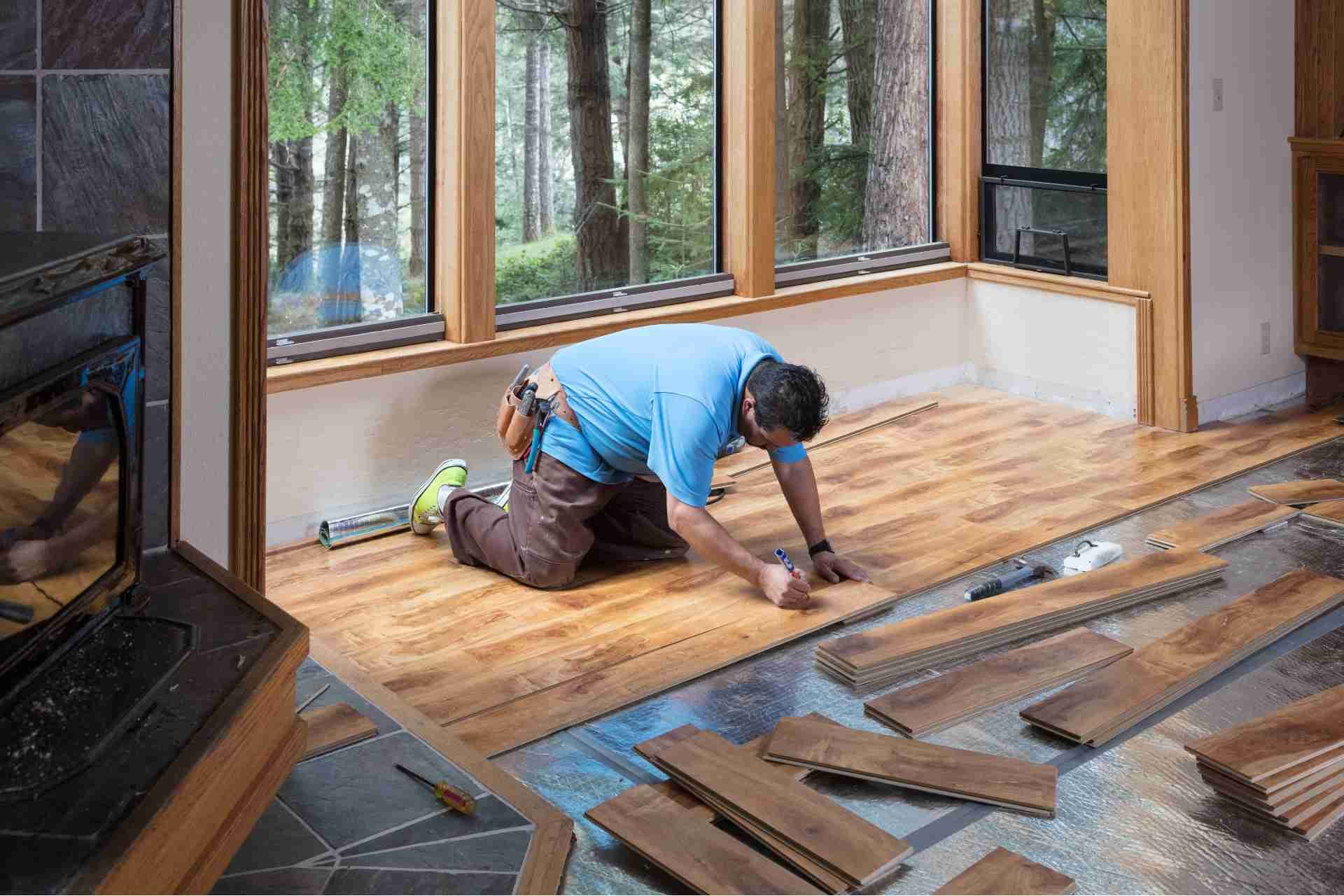
When it comes to cleaning various floor surfaces, you need to tailor your methods to maintain their beauty and durability. Each type of flooring has unique requirements that can impact its lifespan and appearance. For instance, hardwood and tile floors demand different approaches compared to carpets or vinyl. Understanding these differences is key, and knowing the right techniques can make all the difference. Let's explore the best practices for each type of floor surface.
Cleaning Hardwood Floors
When you want to keep your hardwood floors looking pristine, it's essential to use the right cleaning techniques.
Start by sweeping or vacuuming regularly to remove dirt and dust. This prevents scratches and keeps your floors shiny.
For deeper cleaning, use a damp mop with a solution specifically designed for hardwood. Avoid using excessive water, as it can damage the wood. Instead, wring out your mop thoroughly before applying it to the floor.
If you encounter tough stains, try using a mixture of vinegar and water, but test it in a small area first.
Finally, consider applying a hardwood floor polish every few months to enhance the shine and provide a protective layer.
With these tips, your hardwood floors will remain beautiful for years.
Maintaining Tile Flooring
After ensuring your hardwood floors are well-maintained, it's time to focus on tile flooring, which requires its own set of care techniques.
Start by sweeping or vacuuming regularly to remove dirt and debris that can scratch the surface. For deeper cleaning, use a mild detergent mixed with warm water. Mop the tiles, but avoid soaking them, as excess water can seep into grout lines.
Spot-clean any stains immediately to prevent them from setting.
Don't forget to periodically check the grout; if it's discolored or damaged, consider regrouting to keep your tiles looking fresh.
Finally, sealing the grout every few years can help protect it from moisture and stains, extending the life of your beautiful tile flooring.
Caring for Carpeted Surfaces
Although carpeted surfaces can add warmth and comfort to your home, they also require consistent care to keep them looking their best.
Start by vacuuming regularly to remove dirt, dust, and allergens—at least once a week. For high-traffic areas, consider vacuuming more often.
If you spill something, quickly blot the area with a clean cloth instead of rubbing it, which can spread the stain. Use a carpet cleaner or mild detergent for tough stains, and always test it on an inconspicuous area first.
Additionally, professional cleaning every 12-18 months can revitalize your carpets and extend their lifespan.
Lastly, if possible, avoid heavy furniture on the carpet to prevent indentations and wear.
With these steps, your carpets will stay fresh and inviting.
Cleaning Laminate Floors
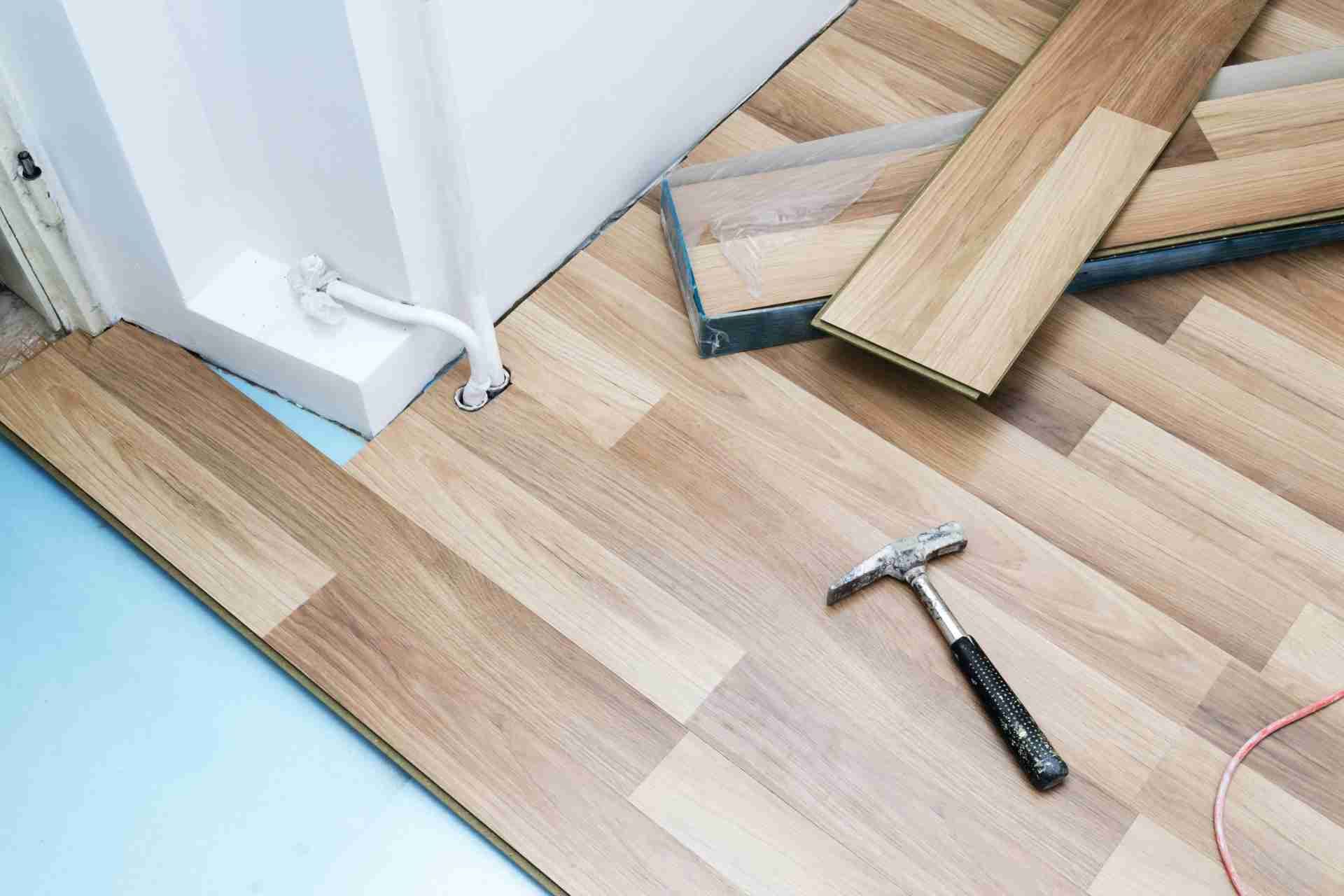
Keeping laminate floors looking their best is easier than you might think. Start by sweeping or vacuuming to remove dust and dirt, preventing scratches.
For deeper cleaning, mix a few drops of mild dish soap with warm water in a bucket. Dampen a microfiber mop in the solution—never soak it—and mop your floors. Rinse the mop frequently to avoid spreading dirt.
If you encounter stubborn stains, use a soft cloth and a small amount of rubbing alcohol. After cleaning, wipe the floor with a dry microfiber cloth to avoid water damage.
Lastly, avoid harsh cleaners, as they can dull the finish. With these simple steps, your laminate floors will shine and stay in excellent condition for years to come.
Tips for Vinyl Flooring
When you want to maintain the beauty of your vinyl flooring, start with regular sweeping or vacuuming to eliminate dirt and debris. This keeps your floors looking fresh and prevents scratches.
For deeper cleaning, use a damp mop with a mild detergent specifically designed for vinyl. Avoid harsh chemicals, as they can damage the surface. If you encounter stubborn stains, try a mixture of vinegar and water, but always test it in a small area first.
Remember to dry the floor after cleaning to prevent water damage. Lastly, place mats at entryways to reduce dirt from being tracked in.
Following these tips will help you keep your vinyl floors in excellent condition for years to come.
Best Practices for Concrete Surfaces
Maintaining concrete surfaces requires a different approach than caring for vinyl flooring. Start by sweeping or vacuuming to remove dust and debris.
For routine cleaning, use a damp mop with a mild detergent specifically designed for concrete. Avoid harsh chemicals that can damage the surface.
If you encounter stains, a mixture of baking soda and water can work wonders; apply it, let it sit, then scrub gently. For tougher stains, consider using a pressure washer on a low setting.
Remember to seal your concrete every few years to protect it from moisture and staining. Lastly, always dry the surface after cleaning to prevent slippery conditions.
Follow these best practices, and your concrete surfaces will look great for years to come.
Cleaning Natural Stone Floors
Natural stone floors, known for their elegance and durability, require careful cleaning to preserve their beauty.
Start by sweeping or vacuuming to remove dirt and debris. Use a pH-balanced stone cleaner mixed with warm water for mopping. Avoid acidic or abrasive cleaners, as they can damage the surface.
When mopping, use a soft mop to prevent scratches. Rinse your mop frequently to avoid spreading dirt around. For tougher stains, try a mixture of baking soda and water, applying it gently with a soft cloth.
After cleaning, dry the floor with a clean towel to prevent water spots. Regular maintenance, like sealing your stone floors every few years, will keep them looking stunning and protect them from stains and wear.
Caring for Bamboo Flooring
Bamboo flooring offers a unique blend of style and sustainability, making it a popular choice for many homes.
To care for your bamboo floors, start by sweeping or vacuuming regularly to remove dirt and debris. Avoid using a wet mop, as excess moisture can damage the bamboo. Instead, use a damp cloth or a microfiber mop with a gentle pH-neutral cleaner.
Be sure to wipe up spills immediately to prevent stains and warping. If your floors start to look dull, consider applying a bamboo floor polish to restore their shine.
Finally, place felt pads under furniture legs to prevent scratches and dents. With proper care, your bamboo flooring can maintain its beauty and durability for years.
Maintaining Cork Floors
Although cork floors are known for their comfort and eco-friendliness, keeping them in top shape requires regular attention.
Start by sweeping or vacuuming your cork floors weekly to remove dirt and debris. For deeper cleaning, use a damp mop with a mild pH-neutral cleaner specifically designed for cork. Avoid soaking the floor, as excess water can damage the material.
If you notice stains, quickly blot them with a clean cloth and a gentle cleaner. It's also essential to maintain humidity levels in your home to prevent the cork from expanding or contracting.
Finally, consider applying a sealant every few years to protect the surface from wear and moisture. Regular maintenance will extend the life of your beautiful cork floors.
Essential Tools for Floor Cleaning
To keep your floors looking their best, having the right tools on hand makes all the difference. Start with a good broom or vacuum to remove dust and debris.
A microfiber mop is essential for damp cleaning, as it's gentle yet effective on various surfaces. Don't forget a sturdy bucket for your cleaning solution and plenty of clean rags for spills.
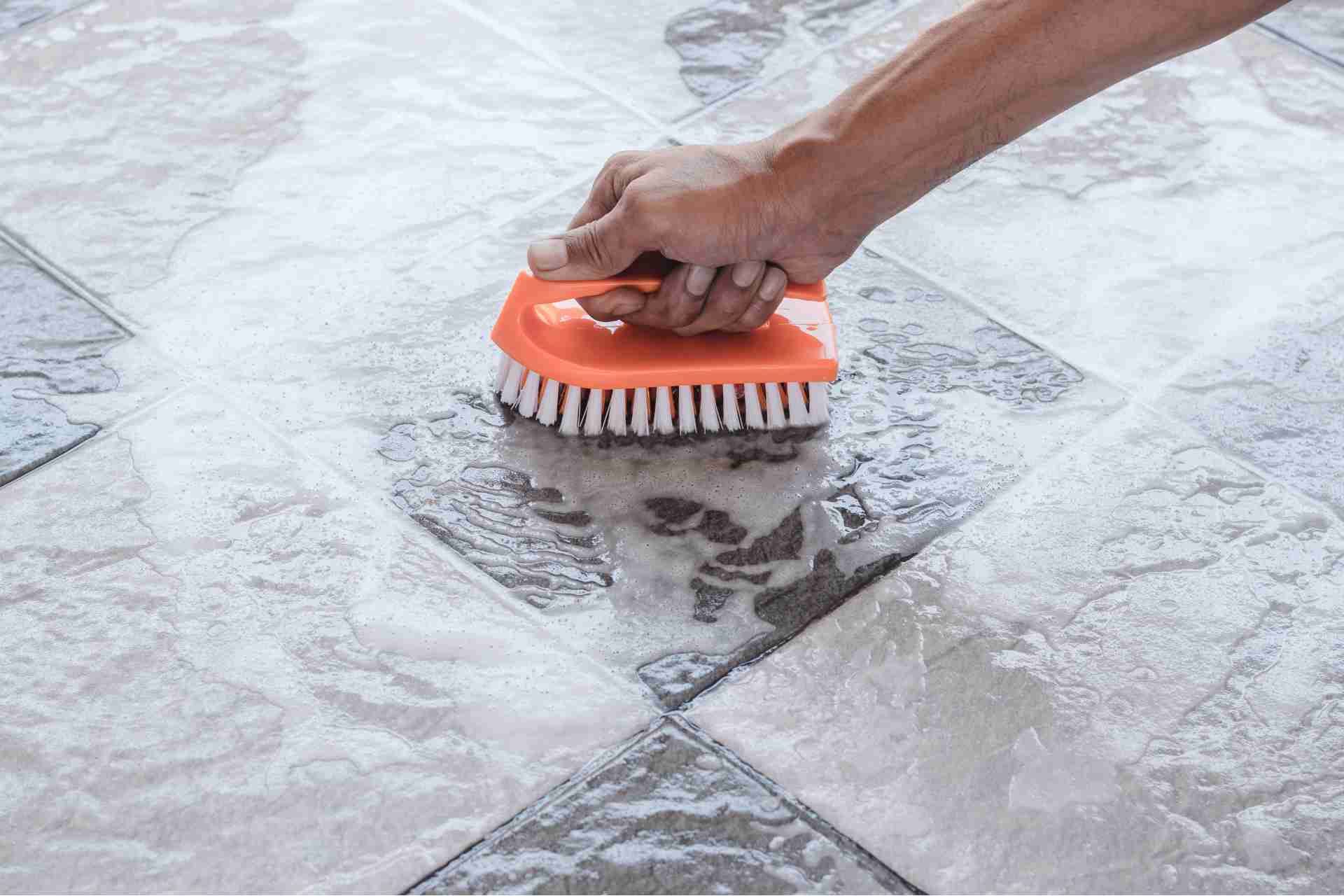
For tougher stains, a scrub brush can work wonders, especially on tile or grout. If you've got hardwood, a specialized cleaner will help maintain its shine without damaging the finish.
Lastly, consider gloves to protect your hands while cleaning. With these essential tools, you'll be well-equipped to tackle any floor cleaning challenge with ease!
Conclusion
By understanding the unique needs of each floor type, you can keep your surfaces looking their best. Regular maintenance and the right cleaning techniques will ensure longevity and a fresh appearance. Remember to use appropriate cleaners and tools for each material, whether it's hardwood, tile, carpet, or vinyl. With these methods in mind, you'll not only enhance the beauty of your floors but also protect your investment for years to come. Happy cleaning!