Guide to Planning Your Flooring Project

When it comes to home renovations, one of the most impactful changes you can make is updating your flooring. Whether you're looking to replace old, worn-out carpet or give your space a fresh, new look, a flooring project can completely transform the look and feel of your home.
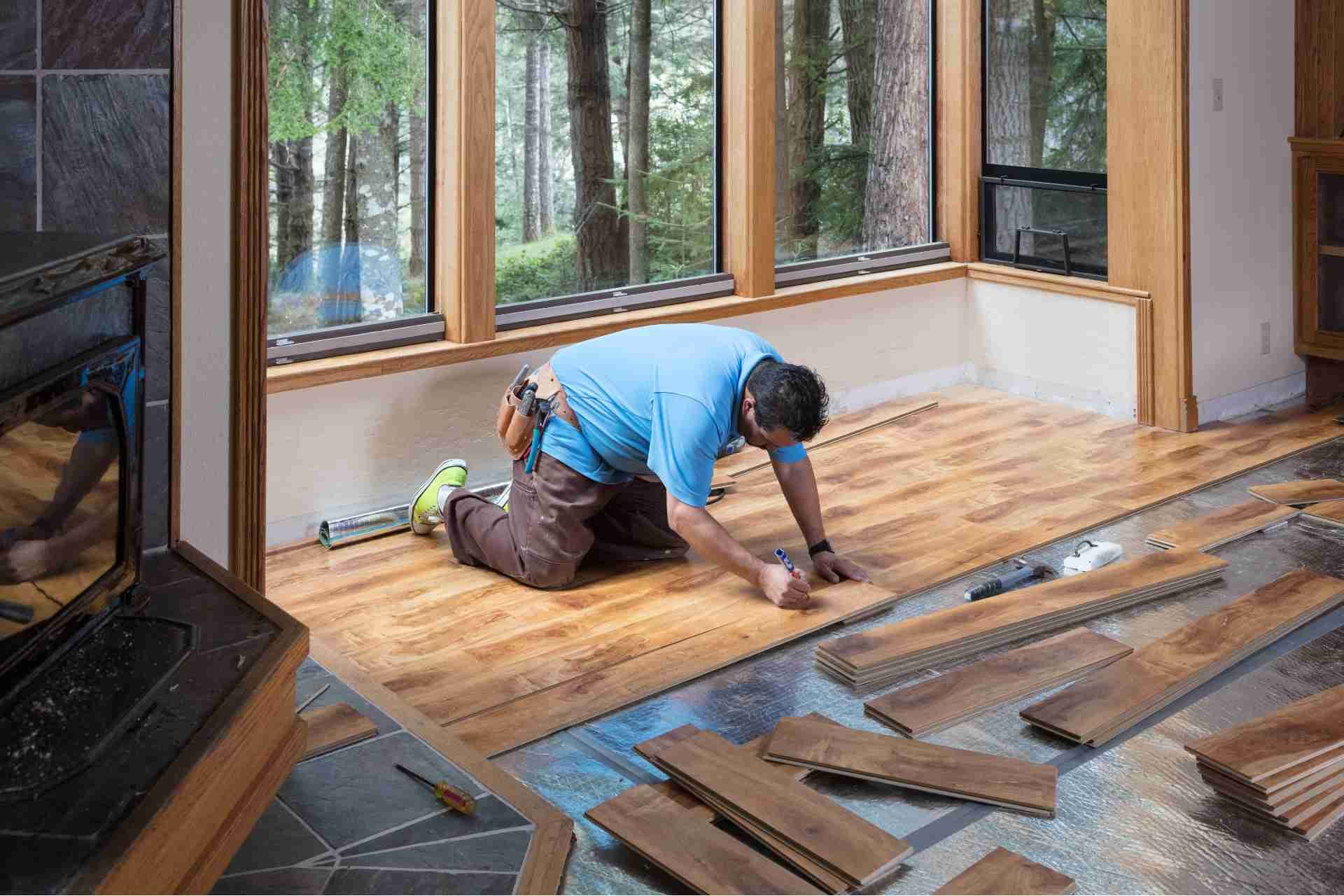
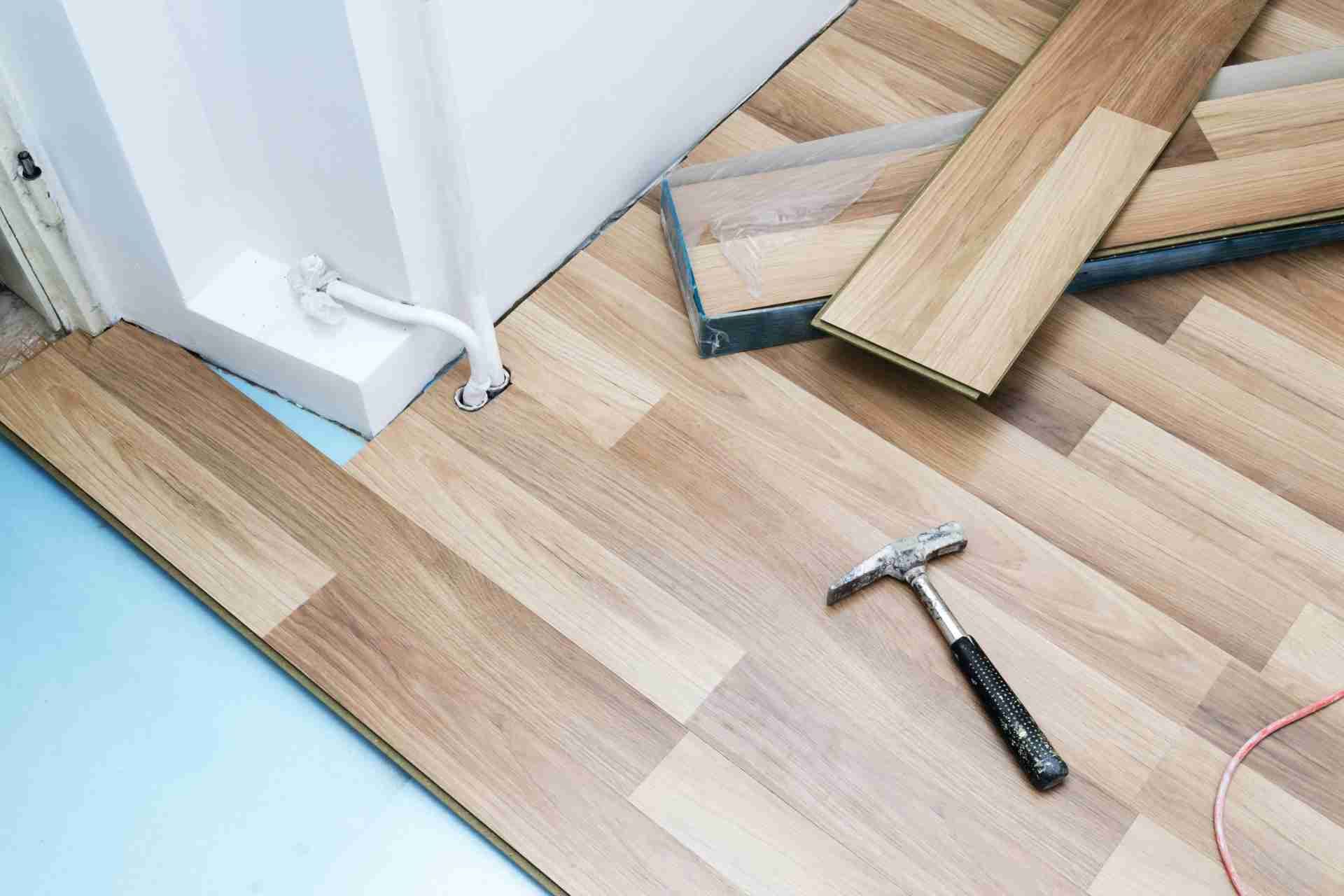
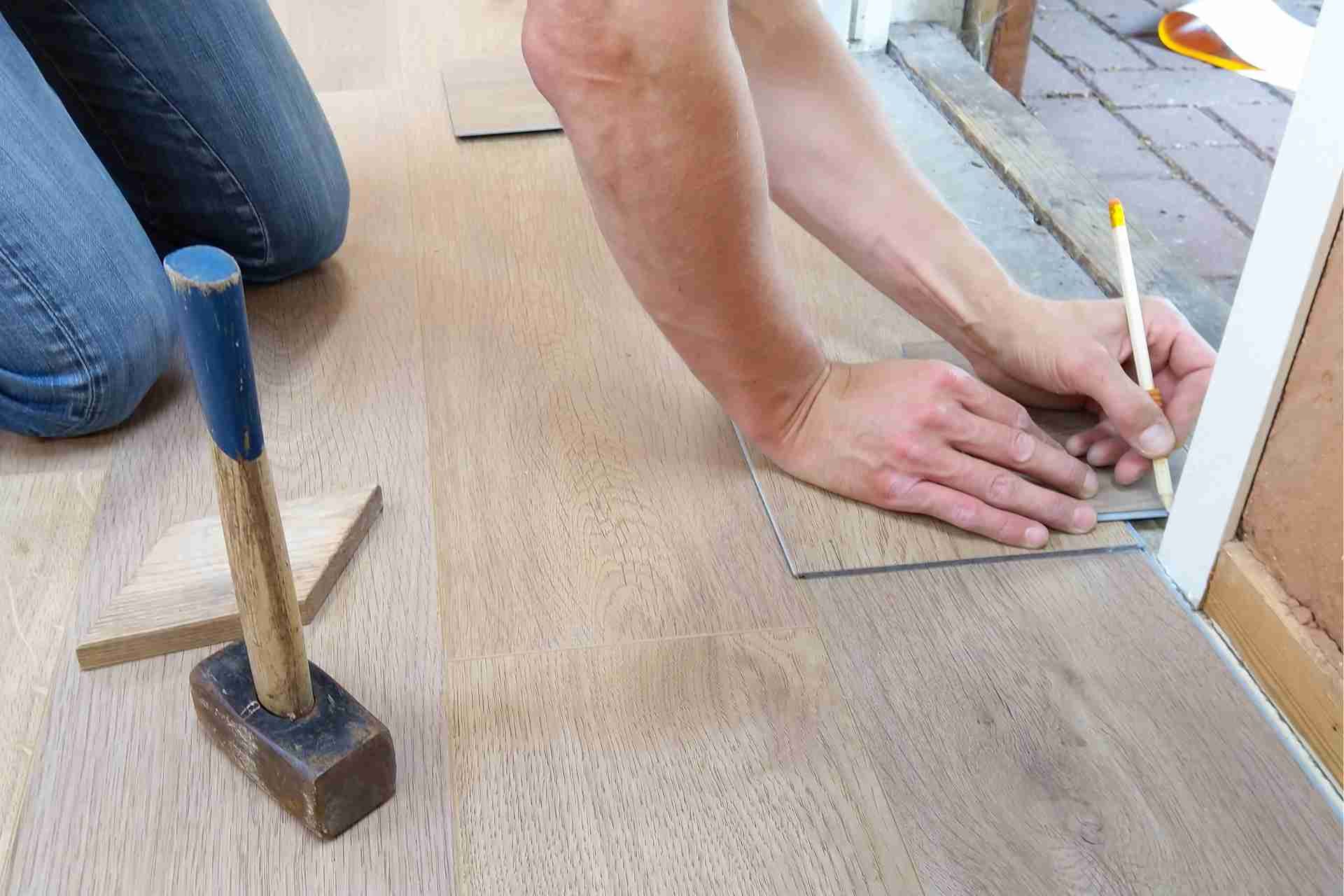
A flooring project typically involves replacing or
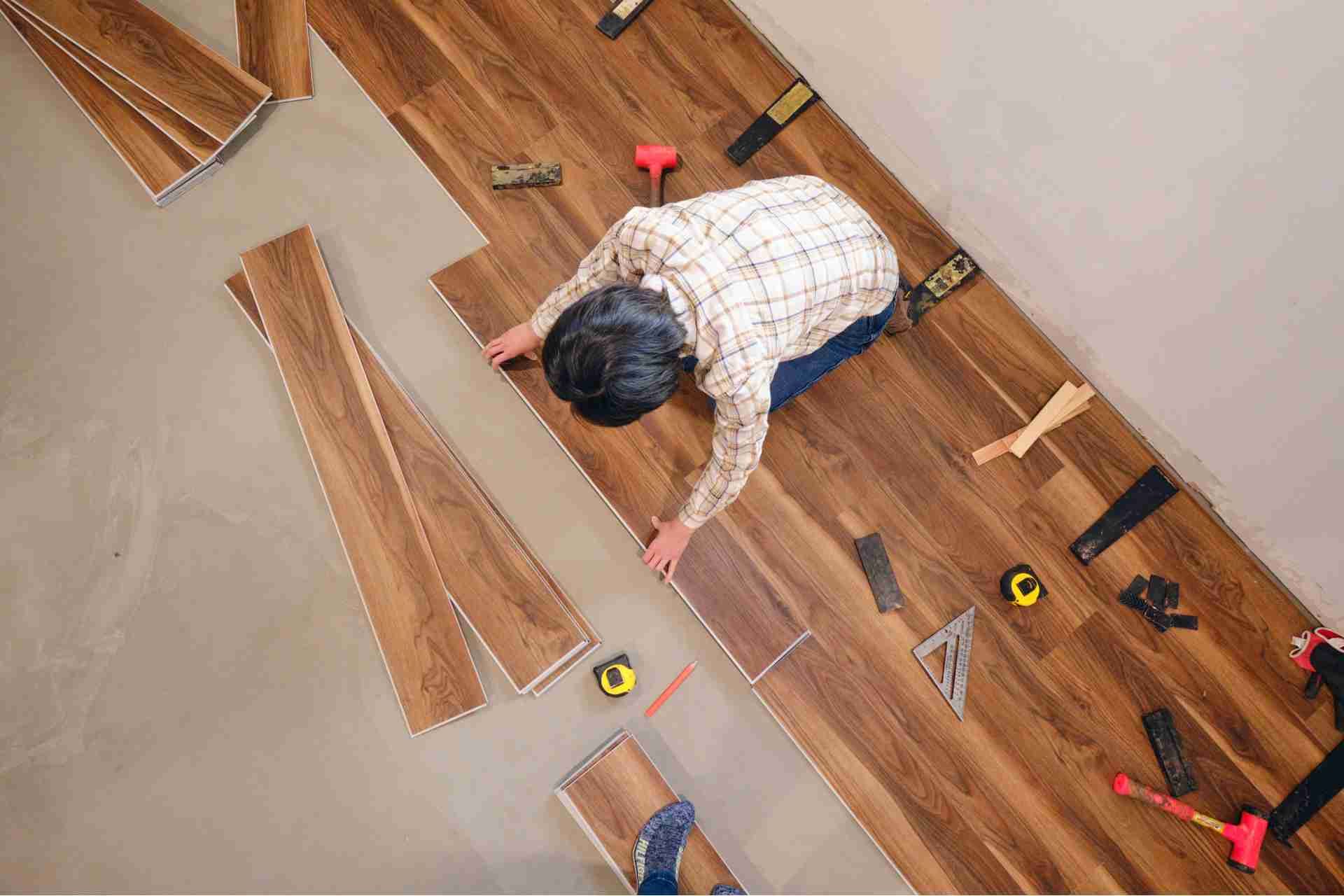
installing new flooring in a home or building. This can include various types of flooring materials such as hardwood, laminate, tile, carpet, vinyl, or concrete. The project may involve removing old flooring, preparing the subfloor, installing the new flooring, and finishing with trim or molding. Flooring projects can greatly improve the look and value of a property and require careful planning and professional installation to ensure a successful outcome.
The type of flooring you choose can greatly impact the overall look and feel of your space. From hardwood to carpet to tile, there are countless options to choose from, which can make the decision-making process overwhelming. To help you navigate through the planning process, here is a guide to planning your flooring project.
Step 1: Define your project goals
Before starting your flooring project, it is important to clearly define your goals. Are you looking to update the look of a room, increase the value of your home, or improve the durability of your floors? Knowing your goals will help guide your decisions throughout the project.
Step 2: Set a budget
Determine how much you are willing to spend on your flooring project and stick to your budget. Consider all costs, including materials, labor, and any additional expenses such as removal of old flooring or subfloor repairs.
Step 3: Research flooring options
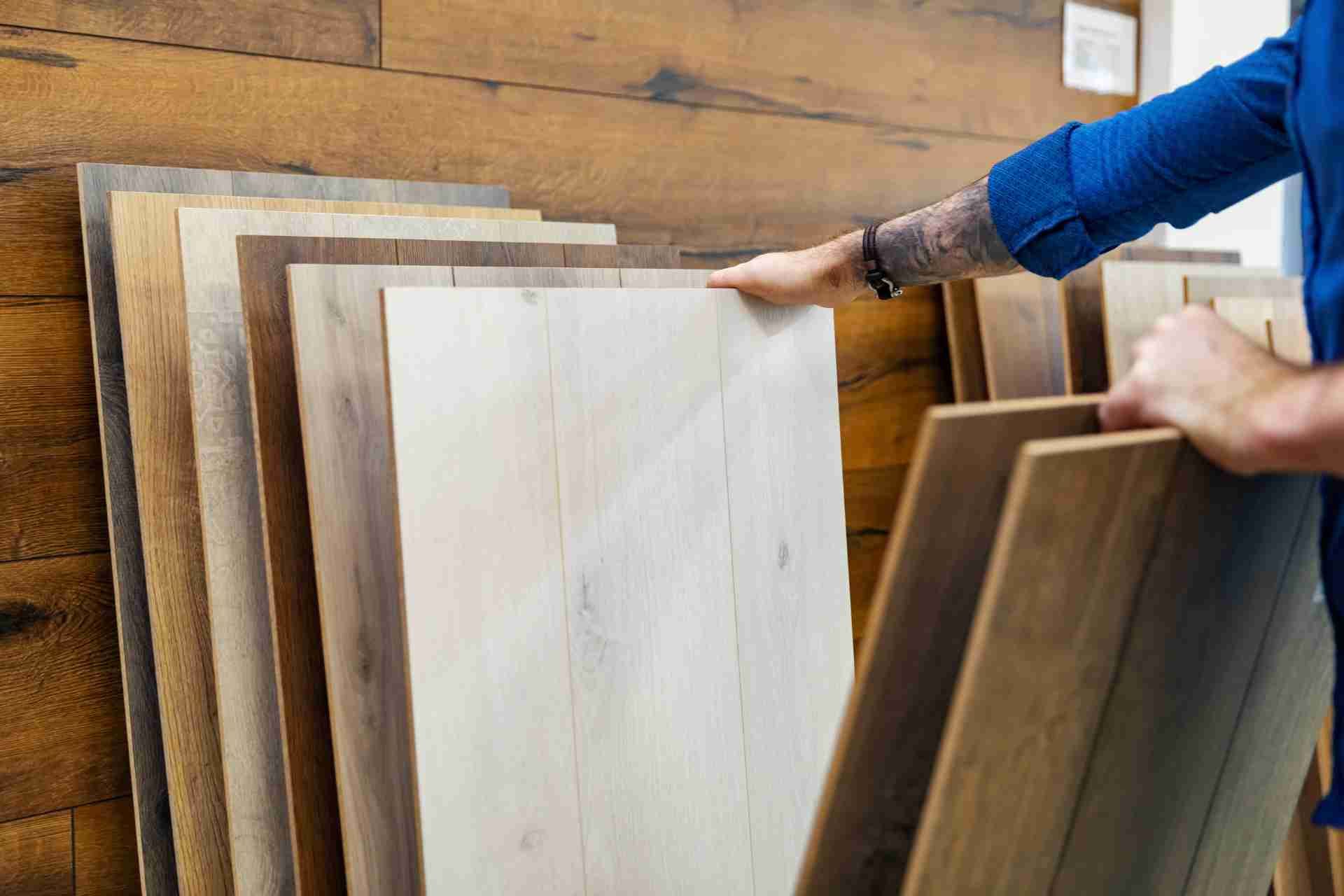
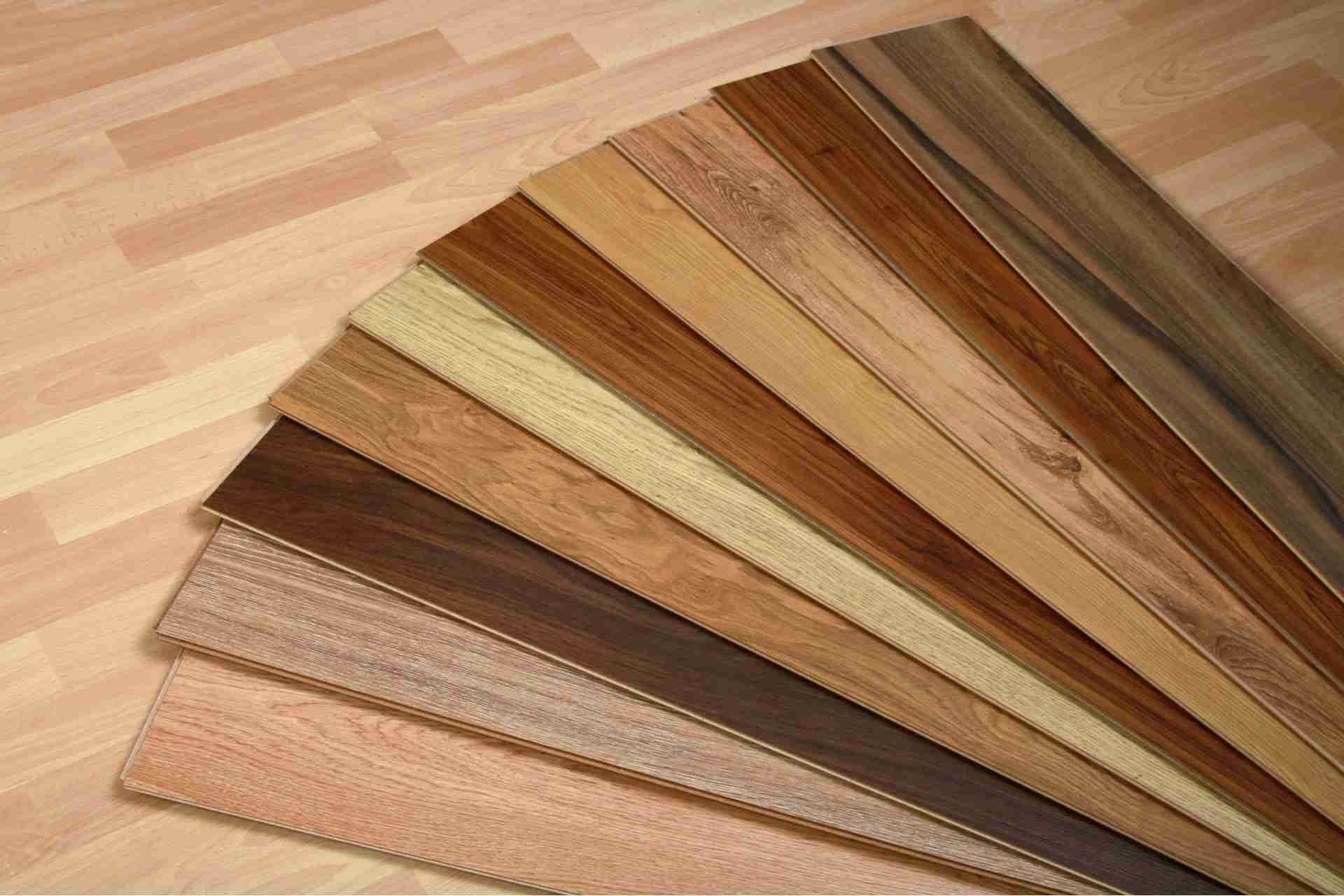
There are countless flooring options available, so it's important to research and understand the pros and cons of each. Consider factors such as durability, maintenance, cost, and aesthetic appeal. Popular flooring options include:
1. Hardwood flooring
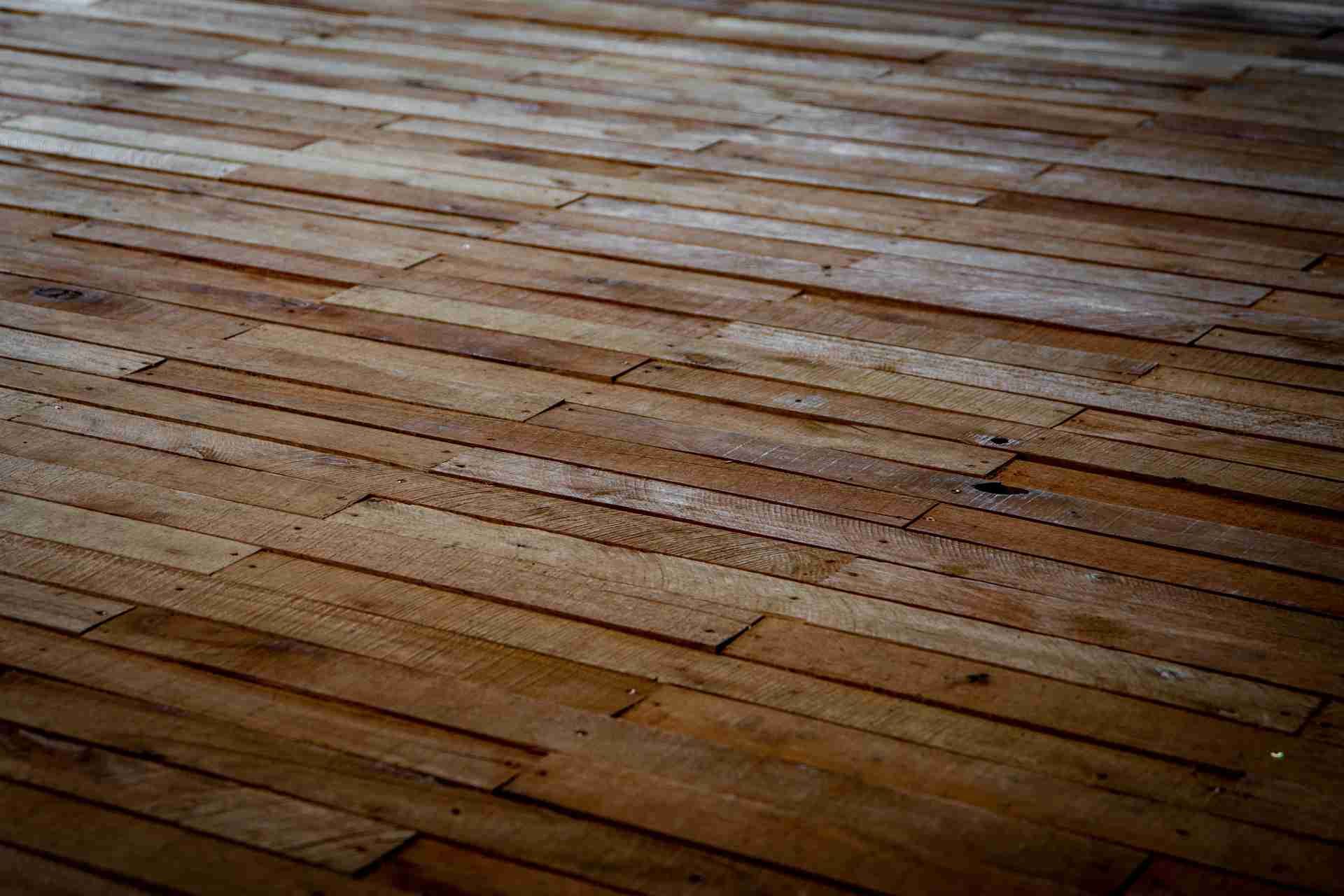
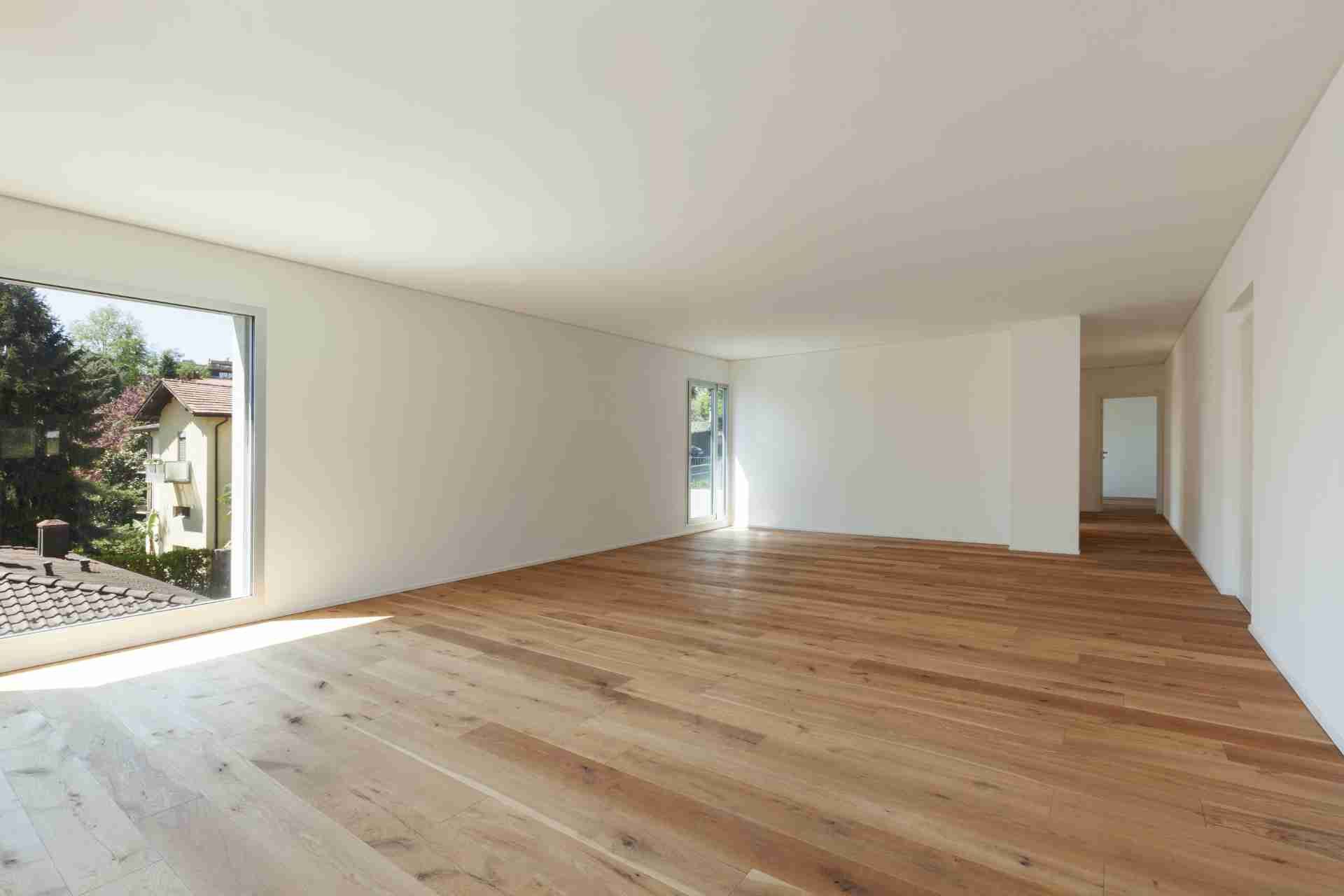
Hardwood flooring is known for its natural beauty and long-lasting durability. It comes in a variety of species, finishes, and widths, making it a versatile option for many homes. However, it can be more expensive than other flooring options and may require regular maintenance to keep it looking its best.
2. Laminate flooring
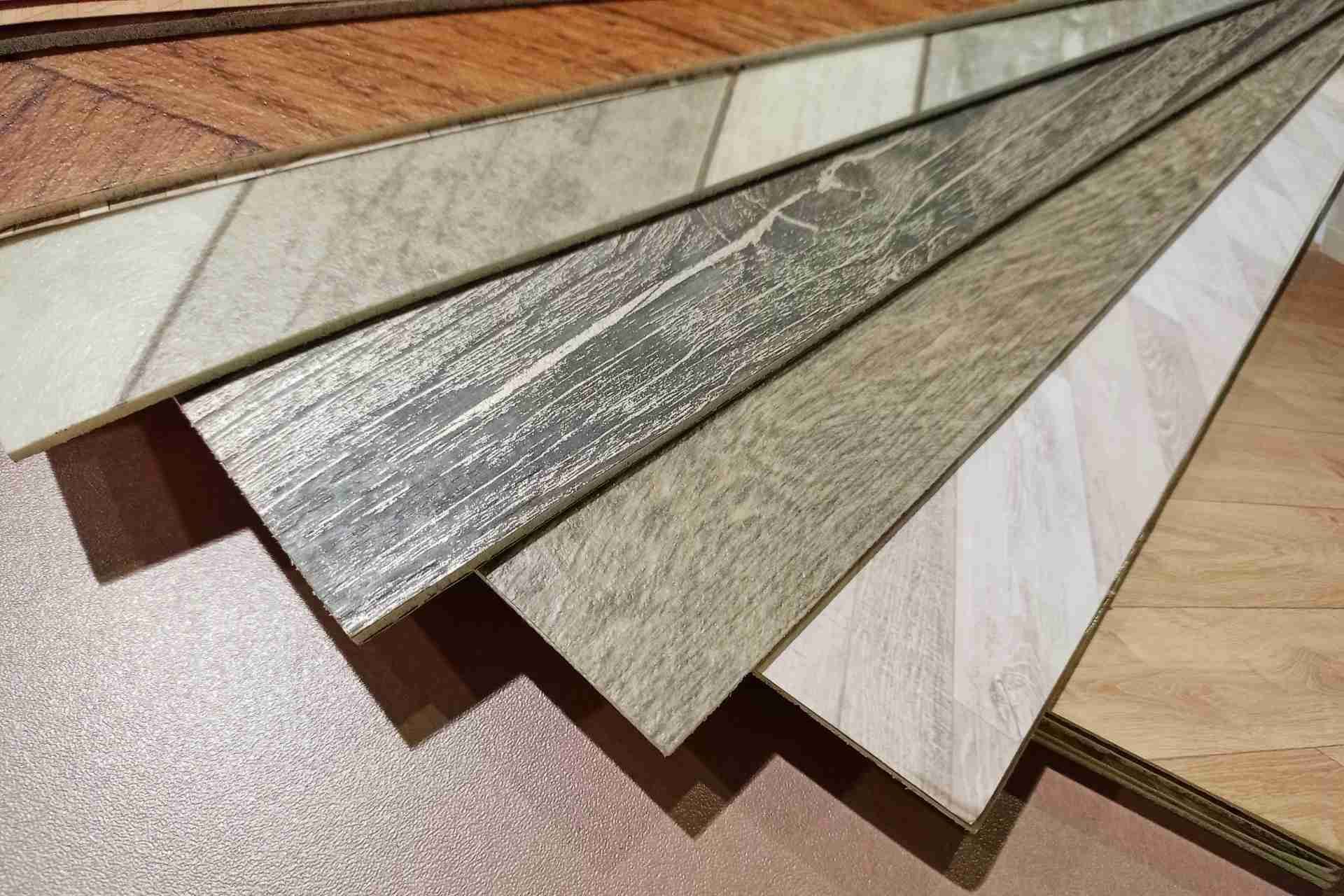
Laminate flooring is a more affordable alternative to hardwood and is known for its durability and ease of maintenance. It can mimic the look of hardwood, tile, or stone and is available in a wide range of styles and colors.
3. Vinyl flooring
Vinyl flooring is a popular choice for kitchens and bathrooms because it is water-resistant and easy to clean. It comes in a variety of styles, including luxury vinyl planks and tiles that mimic the look of hardwood or stone.
4. Tile flooring
Tile flooring is a durable and versatile option that is suitable for both indoor and outdoor use. It comes in a variety of materials, including ceramic, porcelain, and natural stone, and is available in numerous colors, sizes, and patterns.
5. Carpet flooring
Carpet flooring is a comfortable and soft option that can help to insulate a room and reduce noise. It comes in a variety of styles, textures, and colors, making it a versatile choice for many spaces.
6. Bamboo flooring
Bamboo flooring is a sustainable and eco-friendly option that is known for its durability and unique appearance. It is available in both solid and engineered formats and can add a natural warmth to any room.
Step 4: Consider your lifestyle
When choosing a flooring material, consider your lifestyle and how the room will be used. For example, if you have pets or children, you may want a durable and easy-to-clean flooring option. If you are looking to create a cozy atmosphere, carpet may be a good choice.
Step 5: Measure the space
Before purchasing materials, accurately measure the space where the new flooring will be installed. This will ensure that you buy the right amount of materials and avoid unnecessary waste.
Step 6: Hire a professional installer
While some homeowners may choose to install their own flooring, it is often best to hire a professional installer. A professional can ensure that the job is done correctly and efficiently, potentially saving you time, money, and headaches in the long run.
1st Class Carpet Care is the best choice for all your flooring needs. Our team of experienced professionals provides top-quality carpet cleaning, carpet repair, and carpet installation services to ensure that your floors look their best at all times. Whether you need a simple cleaning or a complete flooring overhaul, we have the skills and expertise to get the job done right. Contact us today to schedule an appointment and experience the difference of working with 1st Class Carpet Care.
Step 7: Plan for extra time
Flooring projects can sometimes take longer than expected, so it's important to plan for extra time in case of unexpected delays. Be prepared for dust, noise, and disruption to your daily routine during the installation process.
Step 8: Keep communication open
Throughout the project, keep open communication with your installer to address any questions or concerns that may arise. Stay informed about the progress of the project and make sure that any issues are addressed promptly.