Common Flooring Problems in Pennsylvania Homes (And How We Fix Them)

If you own a home in Pennsylvania, you might've noticed some common flooring problems popping up over time. Fluctuating humidity levels can cause hardwood floors to warp, while tile often cracks in busy areas. Water damage from leaks is another concern that many homeowners face. Understanding these issues is the first step toward effective solutions. Let's explore how you can tackle these flooring challenges and maintain a durable living space.
Understanding Humidity and Its Impact on Flooring
When you live in Pennsylvania, you can't ignore the significant role humidity plays in your home's flooring. The state experiences fluctuating humidity levels, which can affect both hardwood and softwood flooring.
High humidity can cause wood to swell, leading to gaps or buckling, while low humidity may lead to shrinkage. This constant change requires you to monitor your home's humidity levels closely.
Using a humidifier in winter and a dehumidifier in summer can help maintain a balanced environment. Additionally, ensuring proper ventilation in your home is crucial.
Common Hardwood Floor Issues and Solutions
While hardwood floors can add warmth and elegance to your Pennsylvania home, they can also face a variety of common issues that require attention.
One frequent problem is warping, often caused by humidity fluctuations. To fix this, maintain a consistent indoor humidity level using a dehumidifier or humidifier.
Scratches and dents are another concern; you can easily address these by using a wood filler or sanding the affected area before refinishing.
Cupping occurs when the edges of the planks rise, usually due to moisture. To remedy this, ensure proper ventilation and moisture barrier installation.
Lastly, squeaky floors might drive you nuts. Simply apply talcum powder or wood lubricant between the boards to silence those pesky sounds.
Keep your hardwoods in top shape!
Addressing Tile Cracking in High-Traffic Areas
As you navigate through your bustling Pennsylvania home, it's not uncommon to notice tile cracking in high-traffic areas. These cracks can be frustrating, but there are effective solutions.
First, assess the extent of the damage. If it's minor, you might fix it with a simple grout repair or sealant. For larger cracks, you'll likely need to replace the affected tiles. Make sure to choose durable tiles suited for heavy foot traffic.
Additionally, consider using an underlayment to absorb impact and prevent future cracking. Lastly, keep an eye on your home's temperature and humidity levels, as fluctuations can exacerbate tile issues.
The Dangers of Water Damage and How to Prevent It
Water damage can strike unexpectedly, posing serious risks to your Pennsylvania home and its flooring. It can lead to warped wood, mold growth, and structural issues, which can be costly to repair.
To prevent water damage, you should regularly check for leaks in plumbing and appliances. Keep gutters clean and ensure downspouts direct water away from your foundation. Installing a sump pump can help manage excess water in basements.
Additionally, using a dehumidifier in damp areas can minimize moisture buildup. If you notice any signs of water damage, like discoloration or musty smells, address them immediately.
Dealing With Carpet Wear and Tear
Carpet wear and tear is a common issue many homeowners face, especially in high-traffic areas. You might notice fraying edges, flattened fibers, or discoloration over time.
To tackle these problems, start with regular vacuuming to remove dirt and debris that can cause damage. Consider using area rugs in busy spots to protect your carpet.
If you spot stains, address them immediately with a suitable cleaner to prevent permanent marks. For deeper issues, like worn patches, carpet repair kits can help you patch up the affected areas.
If your carpet's beyond repair, replacement may be the best option. Don't forget to invest in high-quality underlay; it can extend your carpet's lifespan and provide added comfort underfoot.
Identifying and Repairing Laminate Floor Problems
Flooring issues can extend beyond carpets, with laminate floors often facing their own set of challenges. You might notice problems like warping, scratches, or gaps between planks.
To identify these issues, regularly inspect your floors for any signs of damage. If you find scratches, a simple touch-up kit can help conceal minor imperfections.
For warping, ensure your floor isn't exposed to excess moisture; if it is, you may need to replace affected boards. Gaps can often be fixed by adding wood filler or using a moisture barrier before reinstalling planks.
Keeping your laminate floor clean and dry will also prevent future issues, ensuring it stays beautiful and functional for years to come.
The Importance of Proper Installation Techniques
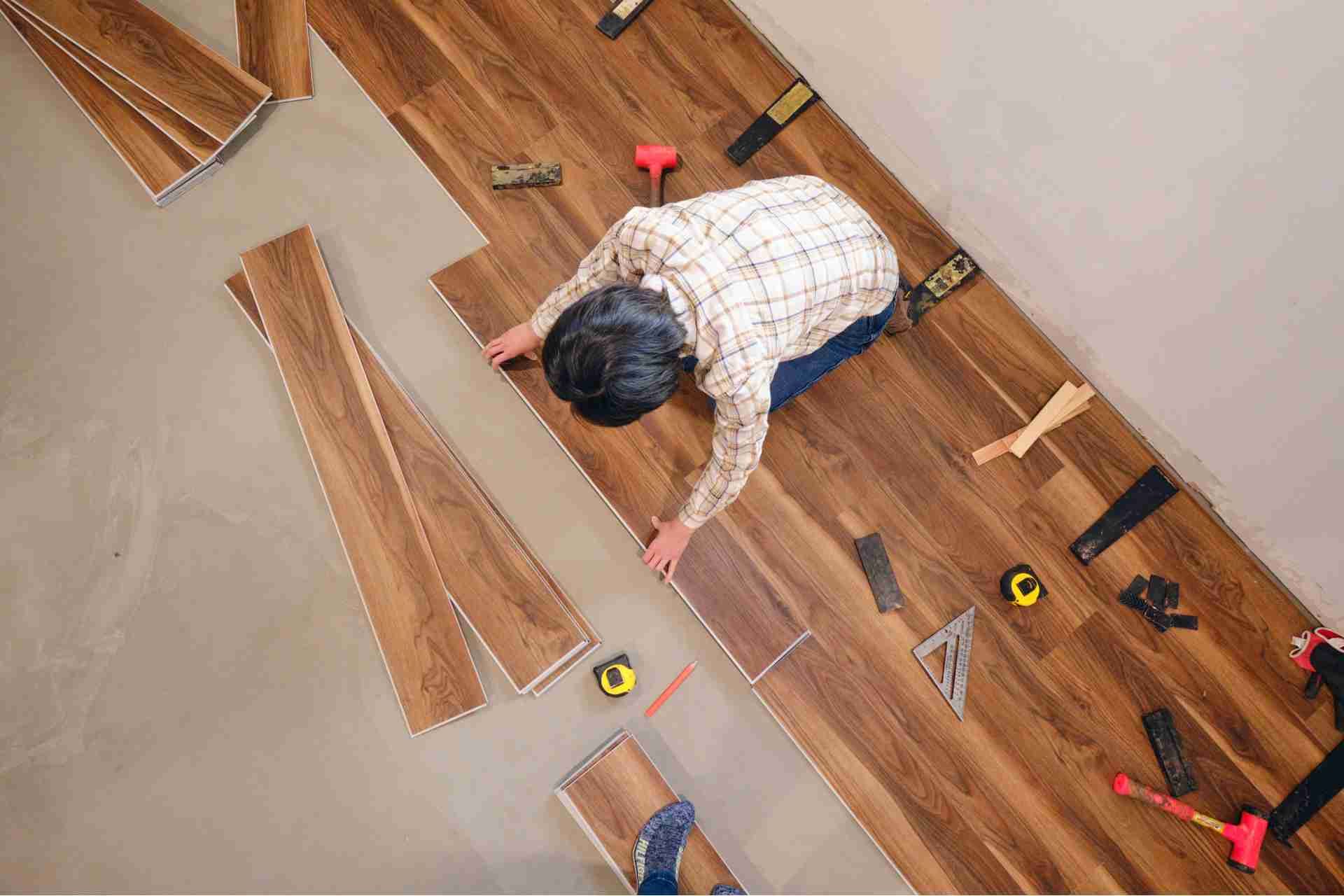
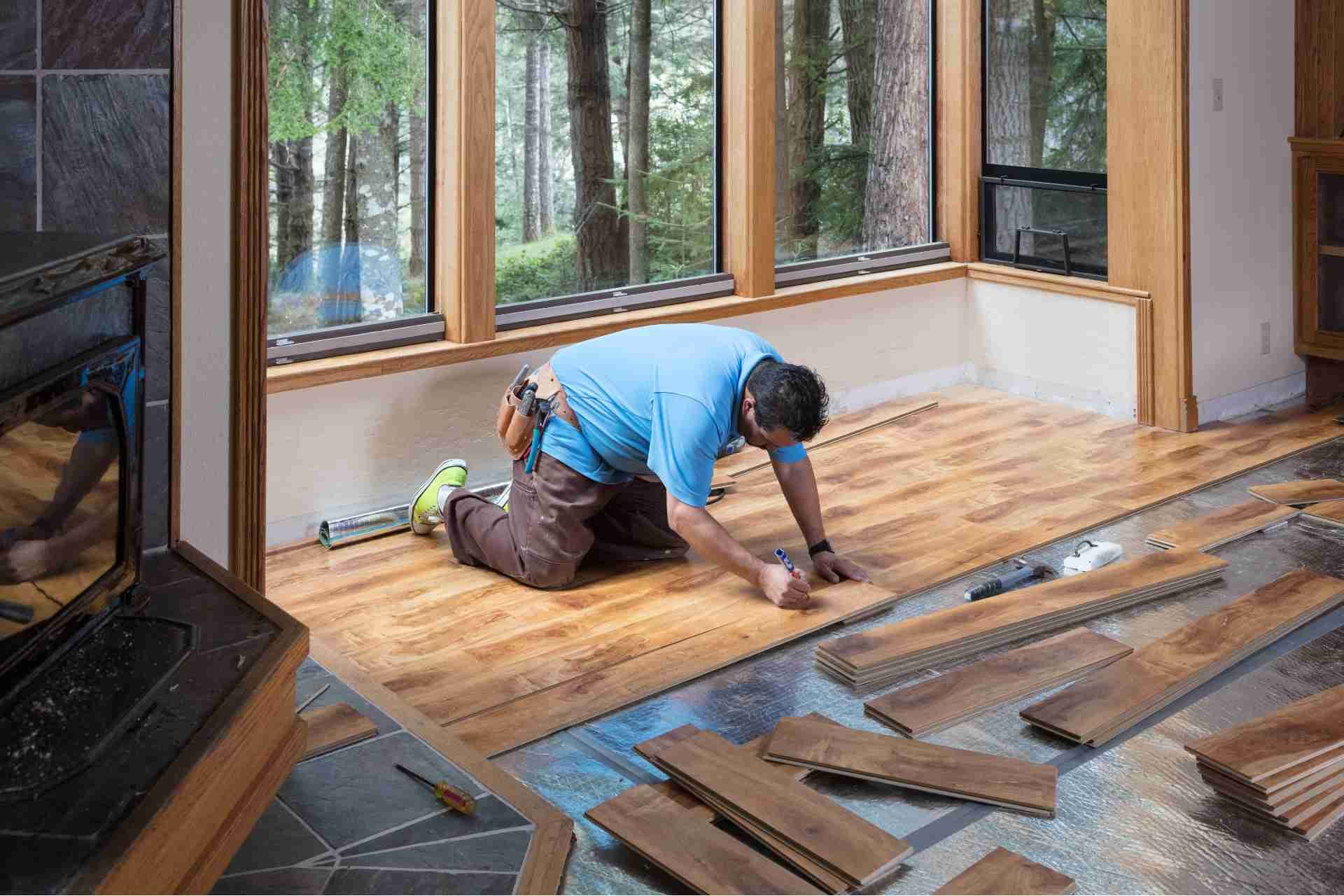
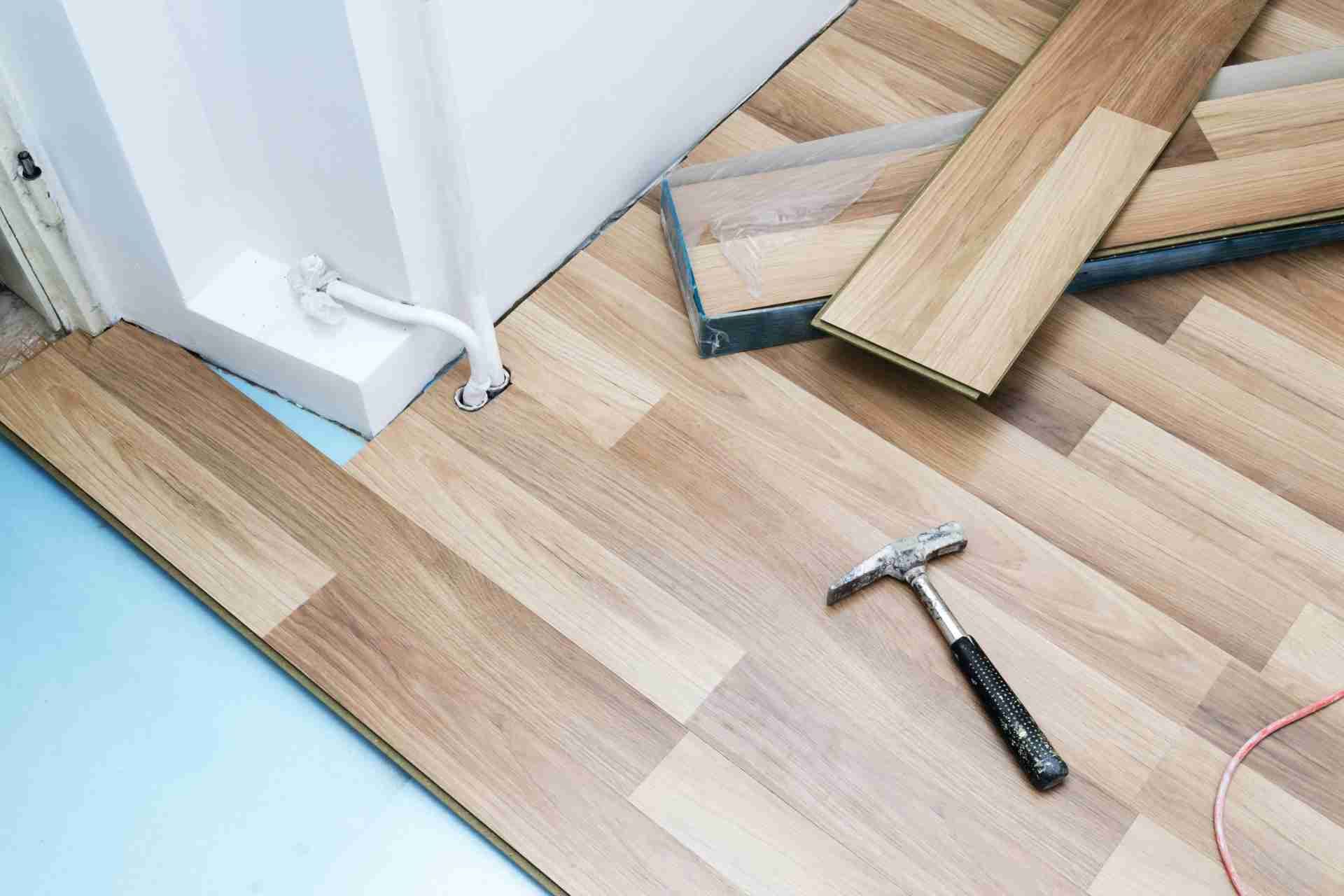
When you invest in new flooring, the success of your project hinges on proper installation techniques. Poor installation can lead to a host of issues, from uneven surfaces to gaps and buckling.
You might think it’s just about laying the planks down, but it’s much more complex. Accurate measurements, appropriate underlayment, and following manufacturer guidelines are crucial for achieving a durable and visually appealing result.
If you skip these steps or cut corners, you’ll face costly repairs down the line. Hiring professional installers can ensure that every detail is addressed, giving you peace of mind and a beautiful floor that lasts.
Seasonal Changes and Their Effect on Flooring
As temperatures fluctuate throughout the year, you may notice how humidity and moisture levels impact your flooring.
In winter, when the air is drier, hardwood floors can shrink, causing gaps between planks. Conversely, summer humidity can cause these same floors to swell, leading to buckling.
If you’ve got laminate, it may warp due to excessive moisture, while carpets can trap humidity, fostering mold growth.
Even tile can be affected, as grout joints may loosen in extreme temperature changes.
Being aware of these effects helps you anticipate potential problems, ensuring your floors remain in great shape.
Effective Maintenance Tips for Long-Lasting Floors
To keep your floors looking great for years to come, it’s essential to adopt a regular maintenance routine.
Start by sweeping or vacuuming regularly to remove dirt and debris that can scratch the surface. For hardwood floors, use a damp mop and a pH-neutral cleaner to avoid damage.
If you have carpet, consider professional cleaning at least once a year to maintain its appearance and hygiene. Place mats at entrances to trap dirt and moisture before they reach your floors.
Additionally, avoid wearing shoes indoors to minimize wear. Finally, keep an eye on humidity levels in your home, as fluctuations can affect your flooring.
When to Call in the Professionals for Repairs
How do you know when it’s time to call in the professionals for flooring repairs? If you notice significant damage—like deep scratches, large cracks, or buckling—it's best to get expert help.
DIY fixes might work for minor blemishes, but major issues can lead to more extensive problems if not addressed properly.
Additionally, if you’re unsure about the source of moisture or suspect mold growth under your flooring, don’t hesitate to call in a specialist. Ignoring these signs can compromise your home’s structure and safety.
Finally, if your flooring requires specialized tools or skills beyond your comfort zone, professionals can ensure the job’s done right.
Conclusion
By understanding the common flooring problems in Pennsylvania, you can take proactive steps to protect your home. Keeping humidity levels in check, addressing minor damages promptly, and ensuring proper installation can make a world of difference. Don’t forget the importance of regular maintenance to extend the life of your floors. If you encounter major issues, don’t hesitate to call in professionals. With the right care, your flooring can stay beautiful and functional for years to come.