Are Laminate Wood Floors Waterproof
When considering laminate wood floors, you might wonder if they're truly waterproof. The truth is, they're water-resistant but not immune to moisture damage. Understanding the nuances of laminate flooring's composition and how it interacts with water is crucial. If you're planning to install laminate in areas prone to spills or humidity, you’ll want to know what that means for your home’s longevity. Let's explore the real impact of moisture on laminate flooring.
Understanding Laminate Flooring Composition
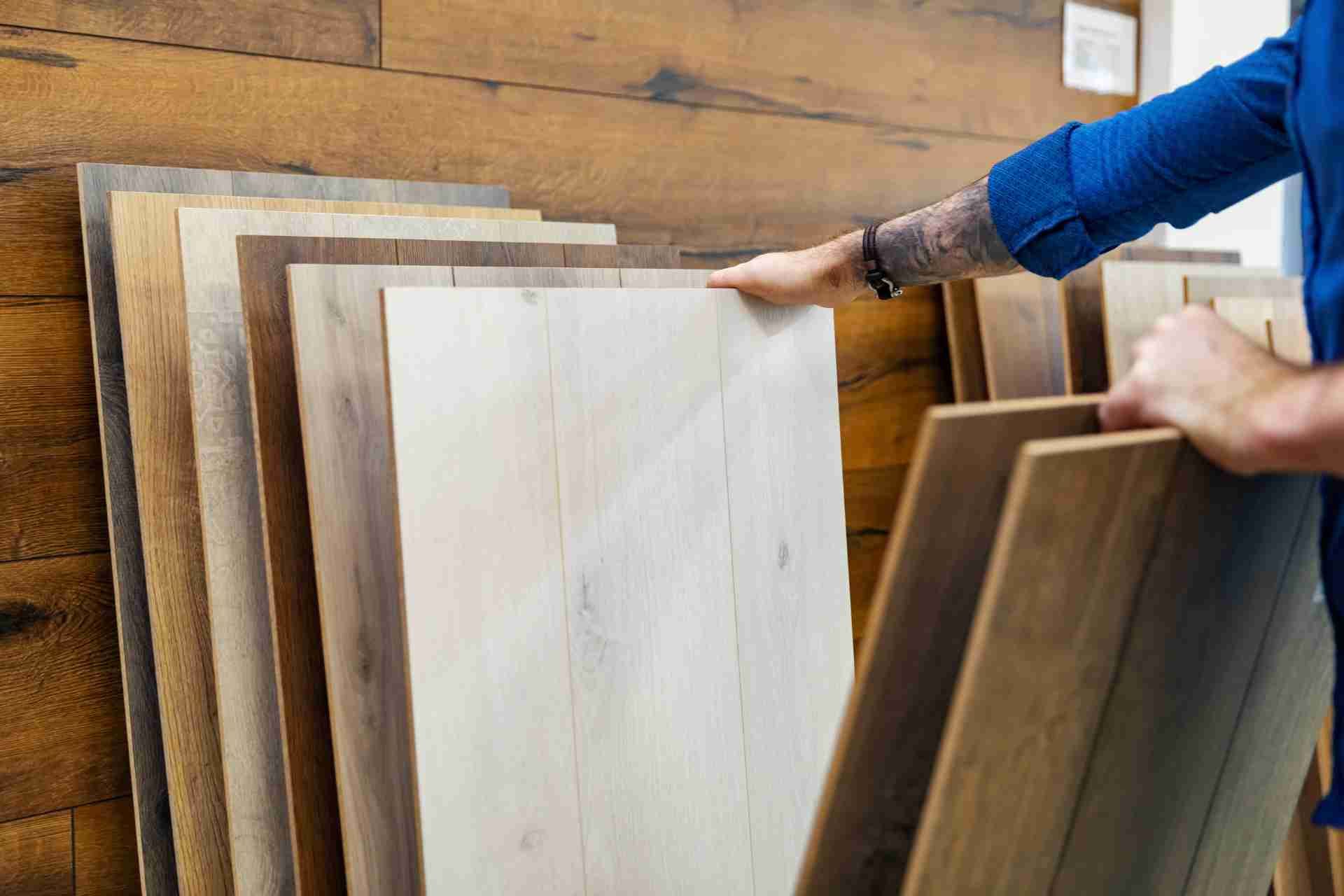
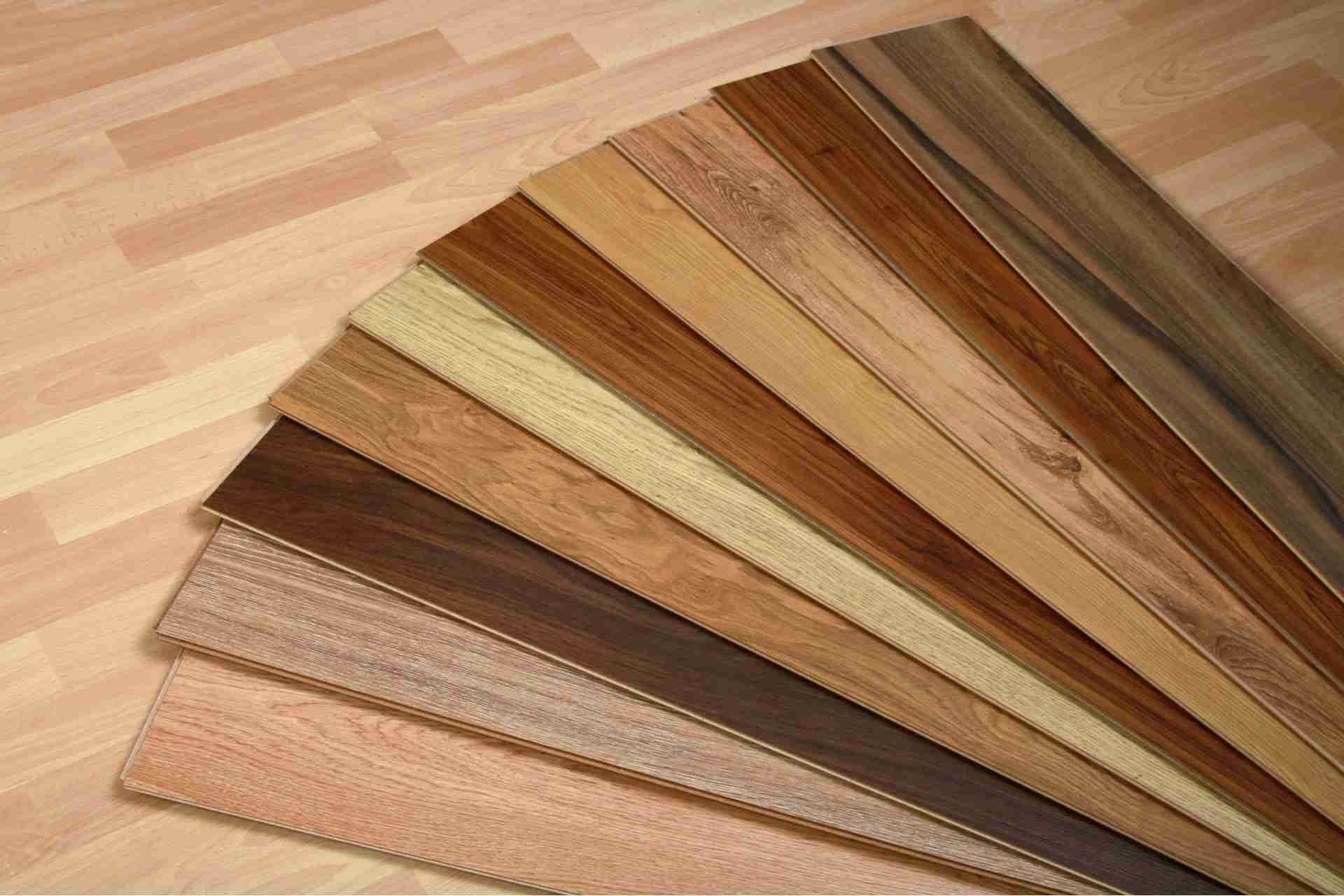
Laminate flooring is a popular choice for homeowners due to its durability and aesthetic appeal. It consists of several layers that work together to create a strong and attractive surface.
The top layer, known as the wear layer, protects against scratches and stains. Beneath that, the decorative layer features a high-resolution image, often mimicking the look of wood or stone.
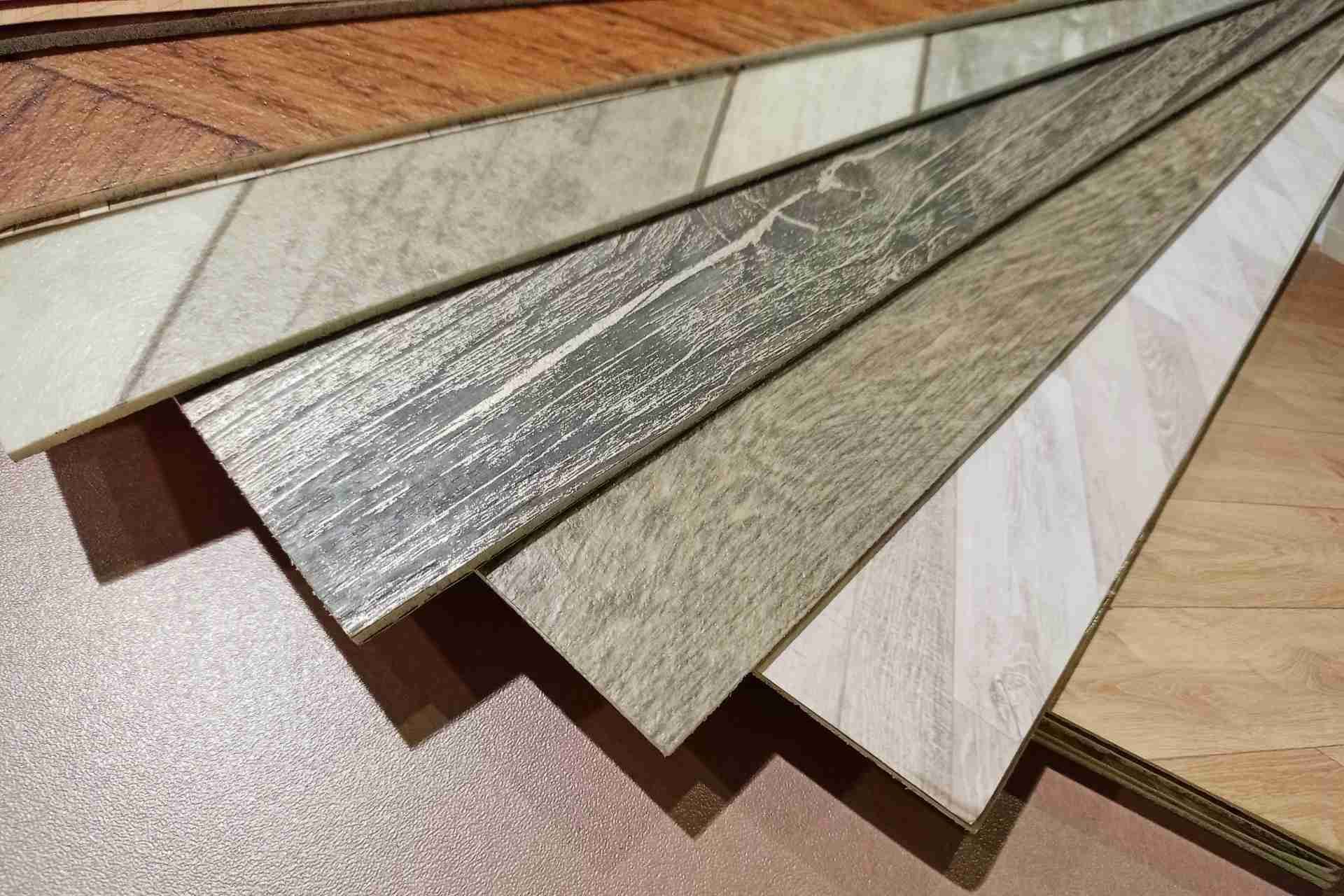
The core layer, made from high-density fiberboard, provides stability and strength. This layer also helps in resisting moisture, although it's not entirely waterproof.
Finally, the backing layer offers added support and prevents moisture infiltration from below. Understanding this composition helps you appreciate why laminate flooring is both practical and visually appealing for your home.
Water Resistance vs. Waterproof: What’s the Difference?
When it comes to flooring, many homeowners often confuse water-resistant materials with waterproof ones.
Water resistance means a material can withstand some exposure to moisture, but it isn’t entirely impervious. If water sits on it for too long, it can still get damaged.
On the other hand, waterproof materials can handle significant moisture without any risk of damage. They’ll keep water from penetrating, making them ideal for areas prone to spills or high humidity.
Understanding this difference is crucial when choosing flooring for your home.
If you're looking for a durable option in wet areas, knowing whether you need water-resistant or waterproof flooring will help you make a more informed decision that suits your lifestyle and needs.
How Laminate Floors Handle Moisture
While laminate floors aren't completely waterproof, they can handle moisture better than many other flooring options. The top layer of laminate is designed to resist spills and stains, making it a practical choice for areas prone to dampness.
This layer acts as a barrier, preventing moisture from seeping into the core material. However, it's essential to clean up spills promptly to maintain the floor's integrity.
Additionally, the high-density fiberboard (HDF) used in laminate construction is engineered to withstand some moisture, reducing the risk of warping or swelling.
Just remember, excessive water exposure can still cause damage, so using area rugs in high-traffic or wet areas can help protect your investment and keep your laminate floors looking great for years to come.
Common Myths About Laminate Flooring and Water
Many homeowners believe that laminate flooring is completely waterproof, which leads to common misconceptions about its durability in wet environments.
While laminate can resist some moisture, it’s not designed to withstand standing water or heavy spills for long periods. Many think it’s safe to install laminate in bathrooms or basements, but that’s misleading. You might face issues like warping or buckling if water seeps into the seams.
Another myth is that laminate doesn’t need any maintenance; in reality, regular cleaning and quick spill management are essential to prolong its lifespan.
Lastly, some assume all laminate brands offer the same level of water resistance, but this varies significantly from one product to another. Always check the manufacturer's specifications for clarity.
Tips for Maintaining Laminate Floors in Wet Areas
Although laminate flooring isn't fully waterproof, you can still maintain it effectively in wet areas with a few simple strategies.
First, always use mats or rugs at entry points to catch moisture before it reaches your floors.
Second, promptly wipe up any spills or standing water to prevent damage.
You should also consider installing a dehumidifier in areas prone to high humidity, like basements or bathrooms.
Additionally, avoid excessive water during cleaning; use a damp mop instead of soaking your floors.
Lastly, keep an eye on the seams and edges of your laminate. If you notice any warping or lifting, address it immediately to prevent further issues.
Following these tips will help you preserve the beauty of your laminate flooring.
Best Practices for Cleaning Laminate Wood Floors
To keep your laminate wood floors looking their best, proper cleaning practices are key. Start by sweeping or vacuuming to remove dust and dirt. This prevents scratches and maintains shine.
When it’s time to mop, use a damp microfiber mop with a cleaner specifically designed for laminate floors. Avoid soaking the floor, as excess water can cause damage.
For stubborn stains, a mixture of vinegar and water can work wonders, but test it in a small area first. Remember to dry any spills immediately to prevent moisture buildup.
Lastly, place mats at entryways to minimize dirt and moisture tracked inside. By following these tips, you’ll keep your laminate floors beautiful and extend their lifespan.
Alternatives to Laminate for High-Moisture Areas
Wondering what flooring options work best in high-moisture areas? You might want to consider luxury vinyl plank (LVP) or tile.
LVP mimics the look of wood but offers superior water resistance, making it ideal for kitchens and bathrooms. Plus, it's soft underfoot and easy to clean.
Ceramic or porcelain tiles are another excellent choice. They’re durable, waterproof, and come in a variety of styles, so you can achieve any aesthetic you desire.
If you're looking for a more natural option, consider engineered wood. It withstands moisture better than traditional hardwood but still offers a warm, inviting feel.
Each of these alternatives provides style and functionality without the worry of water damage. Choose one that fits your needs!
The Importance of Proper Installation for Water Resistance
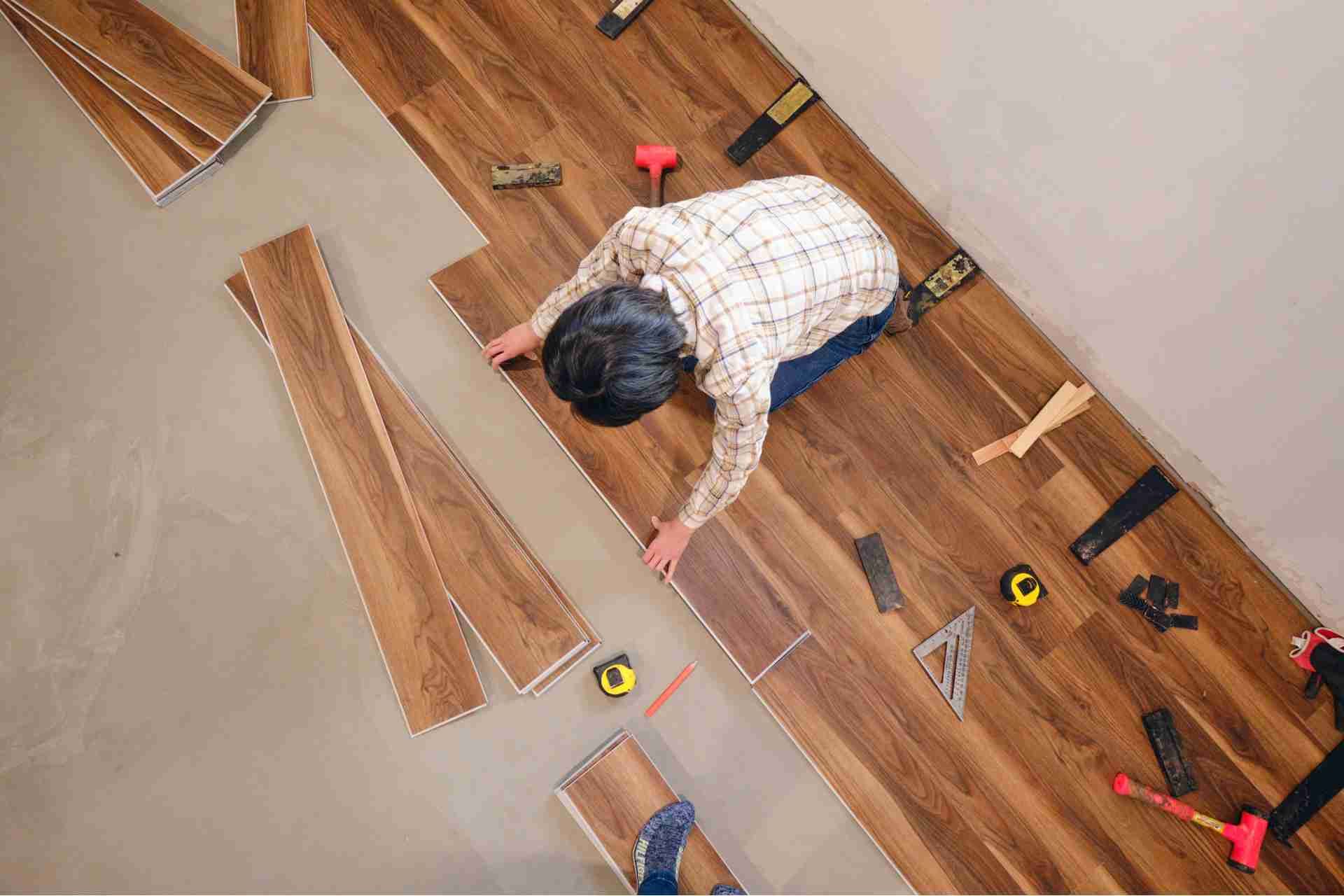
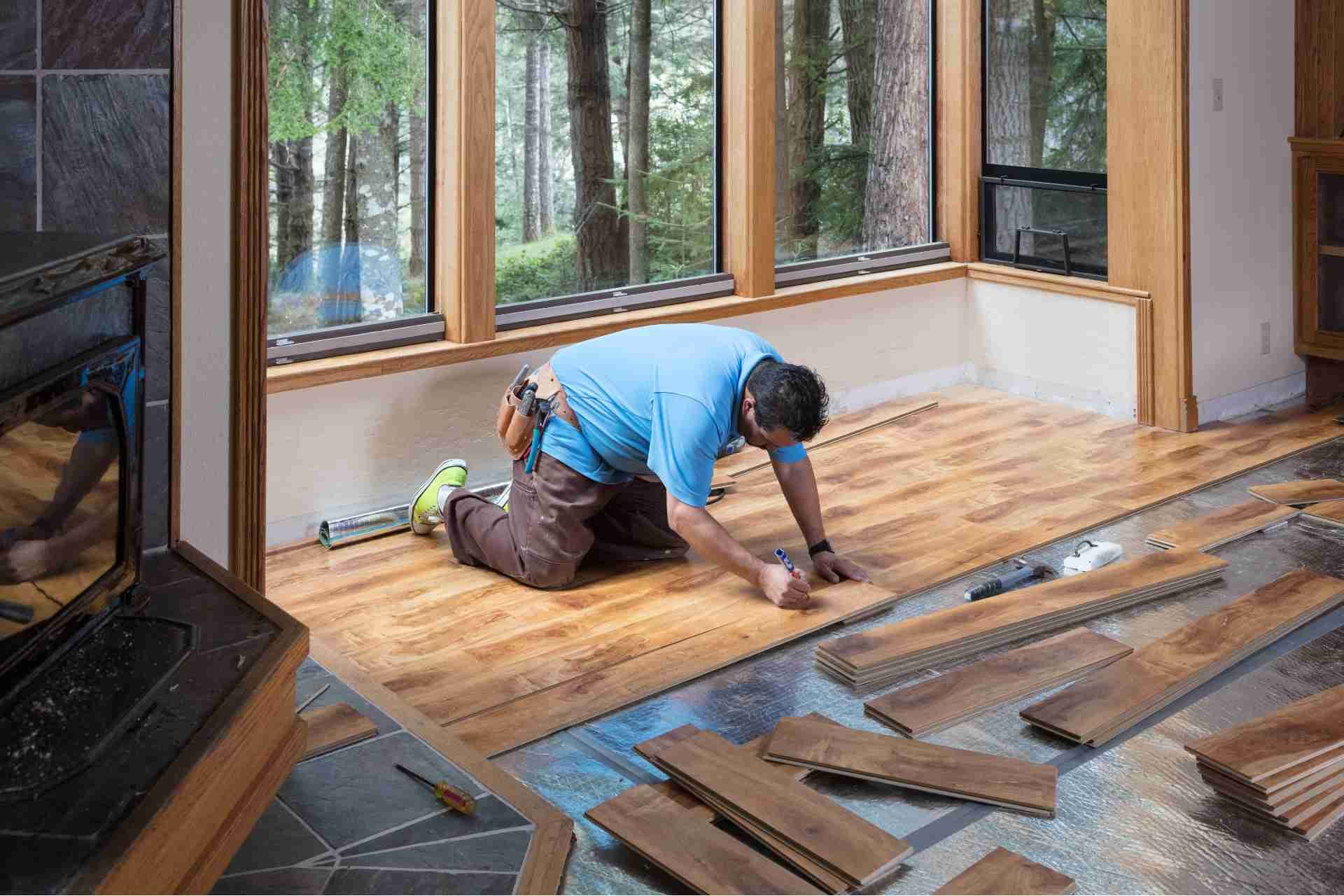
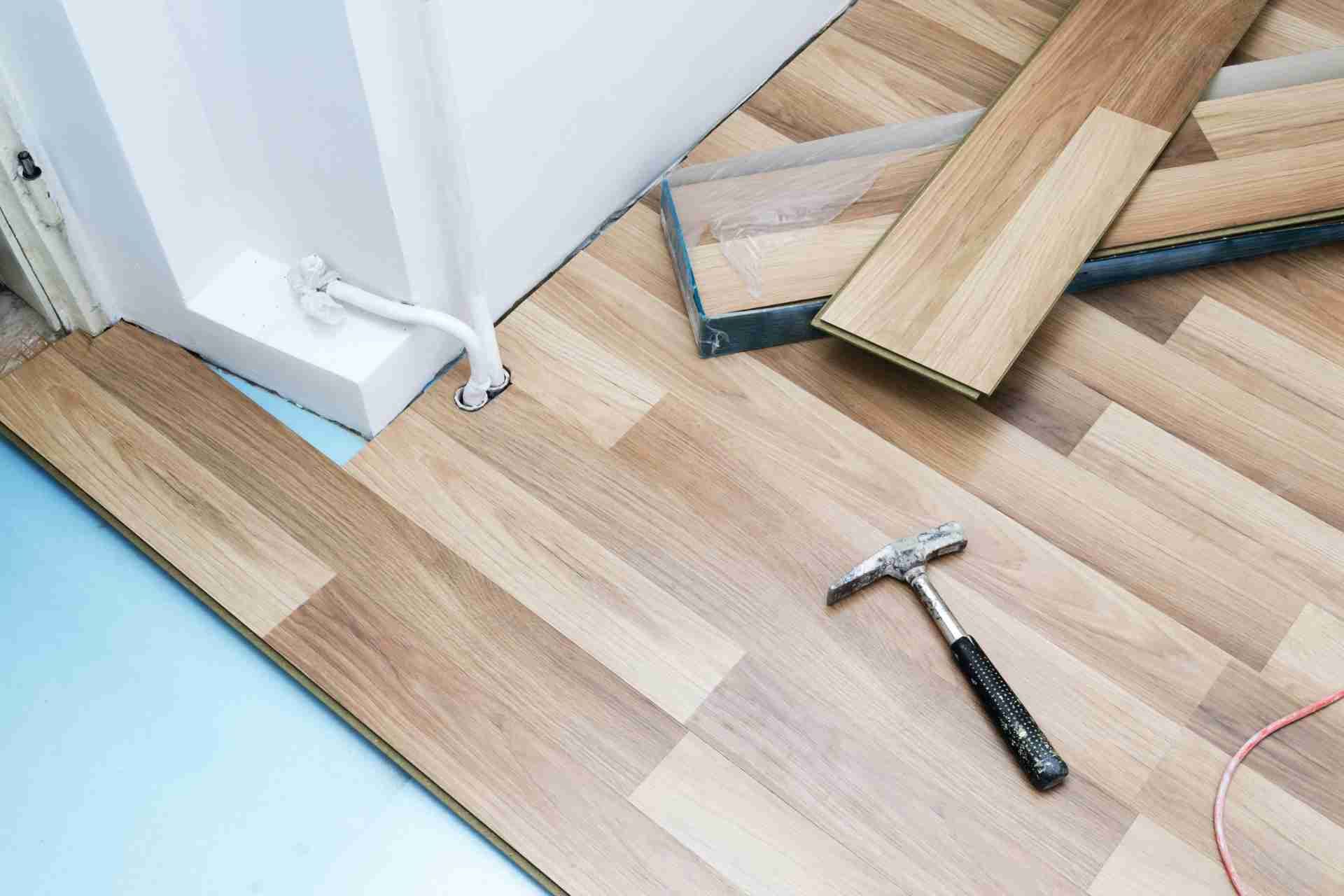
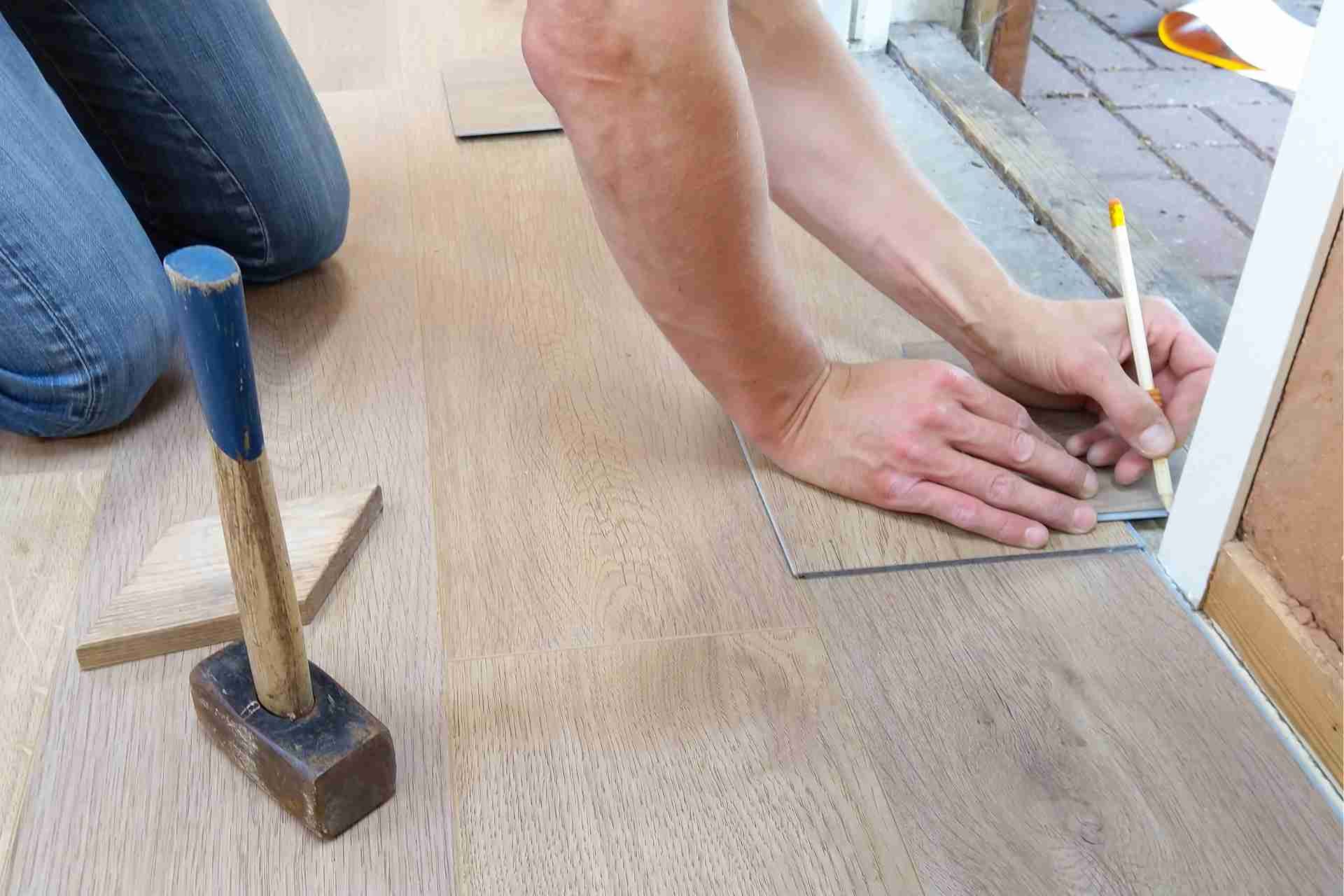
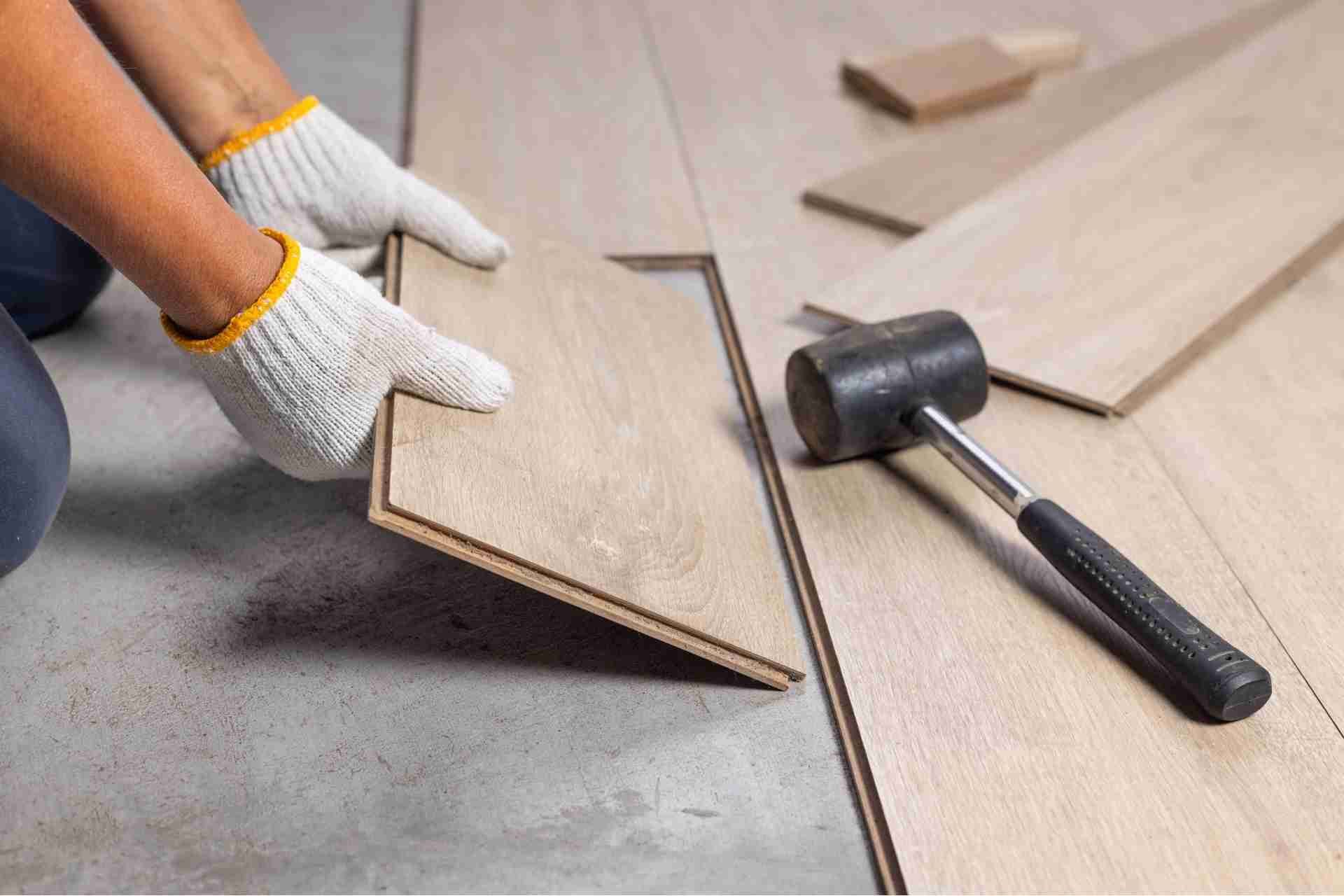
When it comes to achieving optimal water resistance in laminate wood floors, proper installation is crucial. If you want to prevent water damage, you need to pay attention to every detail during the installation process.
Start by ensuring that the subfloor is clean, dry, and level. Any imperfections can lead to gaps where water can seep through. Use high-quality underlayment designed for moisture barriers, as this adds an extra layer of protection.
Make sure to leave adequate expansion gaps around edges to allow for movement. Finally, follow the manufacturer’s guidelines closely—each product may have specific requirements.
Conclusion
In summary, laminate wood floors aren't waterproof, but they're water-resistant when cared for properly. By understanding their limitations and following the right maintenance tips, you can keep your floors looking great for years. Remember, prompt spill cleanup and gentle cleaning methods are key. If you're dealing with high-moisture areas, consider alternatives that can withstand more water. With the right approach, your laminate flooring can remain a beautiful and durable choice in your home.