A Comprehensive Guide: Leveling a Floor for Laminate Flooring Installation
June 23, 2023
Leveling a Floor for Laminate Flooring Installation

Introduction

When it comes to laminate flooring installation, achieving a level and even surface is paramount. A properly leveled floor not only ensures a smooth and aesthetically pleasing result but also prevents premature wear and damage to the laminate flooring. This blog post serves as a comprehensive guide to help you understand the process of leveling a floor for laminate flooring installation. From assessing the floor's condition to executing the necessary leveling techniques, we will provide you with step-by-step instructions to ensure a successful flooring project.

Assessing the Floor 

Before diving into the leveling process, it's crucial to assess the condition of the existing floor. Here are some key considerations:

  1. Identify High and Low Spots: Use a long, straightedge, such as a level or a straight board, to identify any high or low spots on the floor. This step will help you determine the extent of leveling required.
  2. Determine the Floor's Stability: Check for any structural issues or movement in the floor. Ensure that the subfloor is stable and free from any signs of rot, water damage, or structural weaknesses. Address any underlying issues before proceeding with the leveling process.
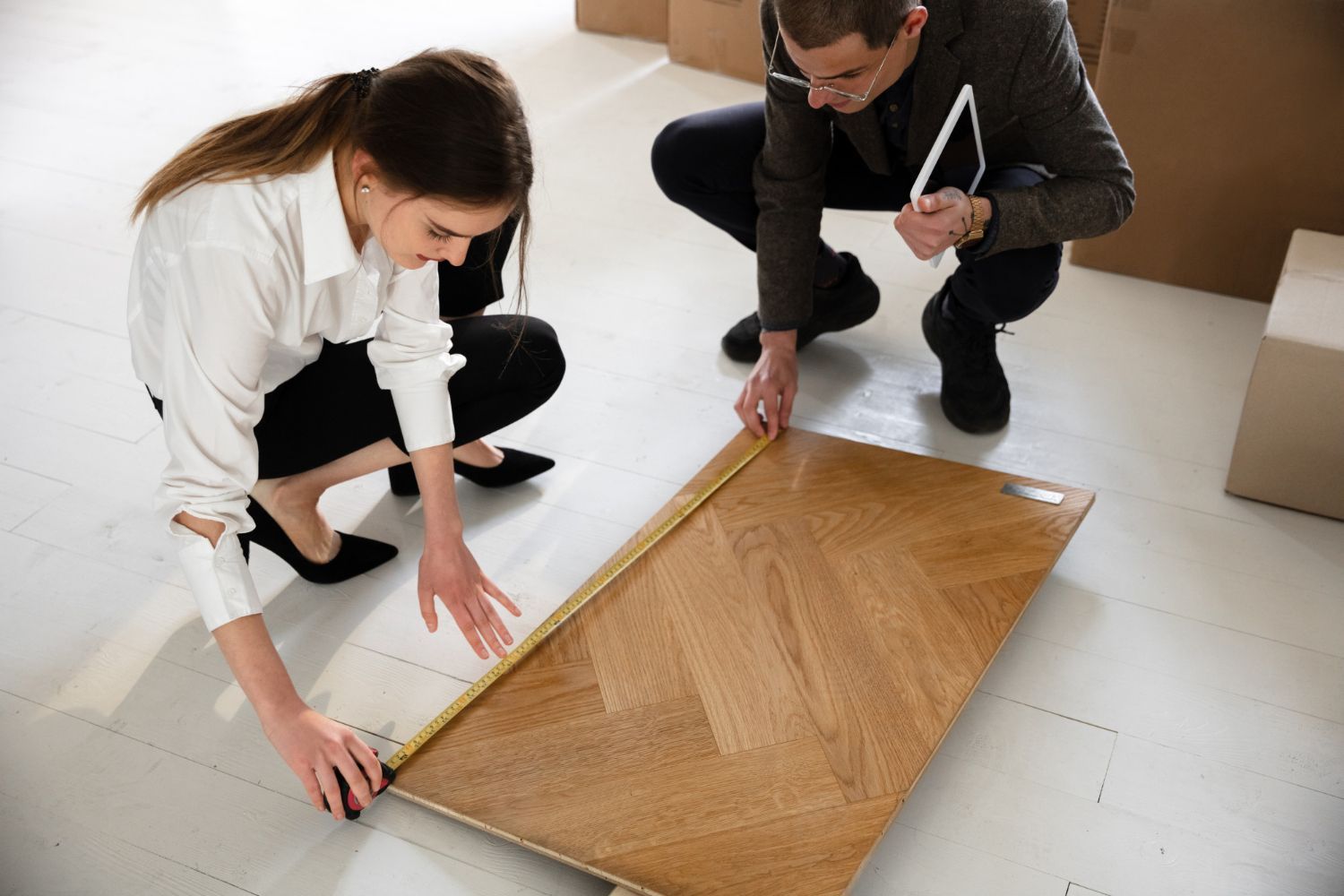
  3. Measure Deviations: Measure the deviations in the floor using a leveling tool or a measuring tape. This will give you a clear understanding of the variations in the floor's height.

Choosing the Leveling Method 

Once you have assessed the floor, you can select the appropriate leveling method based on the severity of the unevenness. Here are some commonly used techniques:

  1. Self-Leveling Compound: Self-leveling compound is an excellent choice for moderate to severe unevenness. This cement-based product is poured onto the floor and spreads out to create a level surface. Follow the manufacturer's instructions for mixing and application.
  2. Floor Patching Compound: Floor patching compound is suitable for smaller areas or minor imperfections. It is applied with a trowel to fill in low spots and level the surface. Ensure proper drying and sanding before installing laminate flooring.
  3. Plywood Subfloor Installation: In cases of significant height variations or an uneven subfloor, adding a layer of plywood can provide a stable and level surface. Measure and cut the plywood sheets to fit the floor, and secure them to the subfloor using screws or nails.
  4. Floor Grinding: Floor grinding is a more labor-intensive method used to level concrete floors. It involves using a specialized grinding machine to remove high spots and create a level surface. This method is suitable for concrete subfloors.

Preparing for Leveling 

Before beginning the leveling process, proper preparation is essential for a successful outcome. Follow these steps:

  1. Clear the Area: Remove all furniture, appliances, and any other obstacles from the room to create an unobstructed work area.
  2. Clean the Floor: Thoroughly clean the floor, removing any debris, dust, or loose material. A clean surface ensures better adhesion and a more effective leveling process.
  3. Address Structural Issues: If you identified any structural issues during the assessment, consult a professional to address and rectify them before proceeding.
  4. Acclimate the Laminate Flooring: If you have already purchased the laminate flooring, allow it to acclimate to the room's temperature and humidity as per the manufacturer's recommendations. This prevents potential expansion or contraction issues after installation.

Executing the Leveling Process 

Once you have prepared the floor, it's time to execute the leveling process. Follow these steps for a successful outcome:

  1. Mix and Apply Self-Leveling Compound: If you opt for self-leveling compound, carefully follow the manufacturer's instructions for mixing and application. Pour the compound onto the floor and use a trowel or smoothing tool to spread it evenly. Work in small sections, and use a long, straightedge to ensure a level surface.
  2. Apply Floor Patching Compound: For smaller areas or minor imperfections, mix the floor patching compound according to the manufacturer's instructions. Use a trowel to apply the compound, filling in low spots and smoothing the surface. Allow ample drying time and sand any rough areas.
  3. Install Plywood Subfloor: If you choose to add a plywood subfloor, measure and cut the plywood sheets to fit the floor. Secure them to the subfloor using screws or nails, ensuring they are level and securely fastened.
  4. Floor Grinding: If floor grinding is necessary, use a specialized grinding machine following the manufacturer's instructions. Start with the high spots and gradually work your way across the floor, creating a level surface. Vacuum or sweep the floor afterward to remove any dust or debris.

Final Steps and Laminate Flooring Installation 

After completing the leveling process, a few final steps are required before installing laminate flooring:

  1. Inspect the Leveled Surface: Once the leveling material has dried or the plywood subfloor is securely in place, inspect the surface for any remaining unevenness or imperfections. Address any issues by sanding, filling, or applying additional leveling compound as needed.
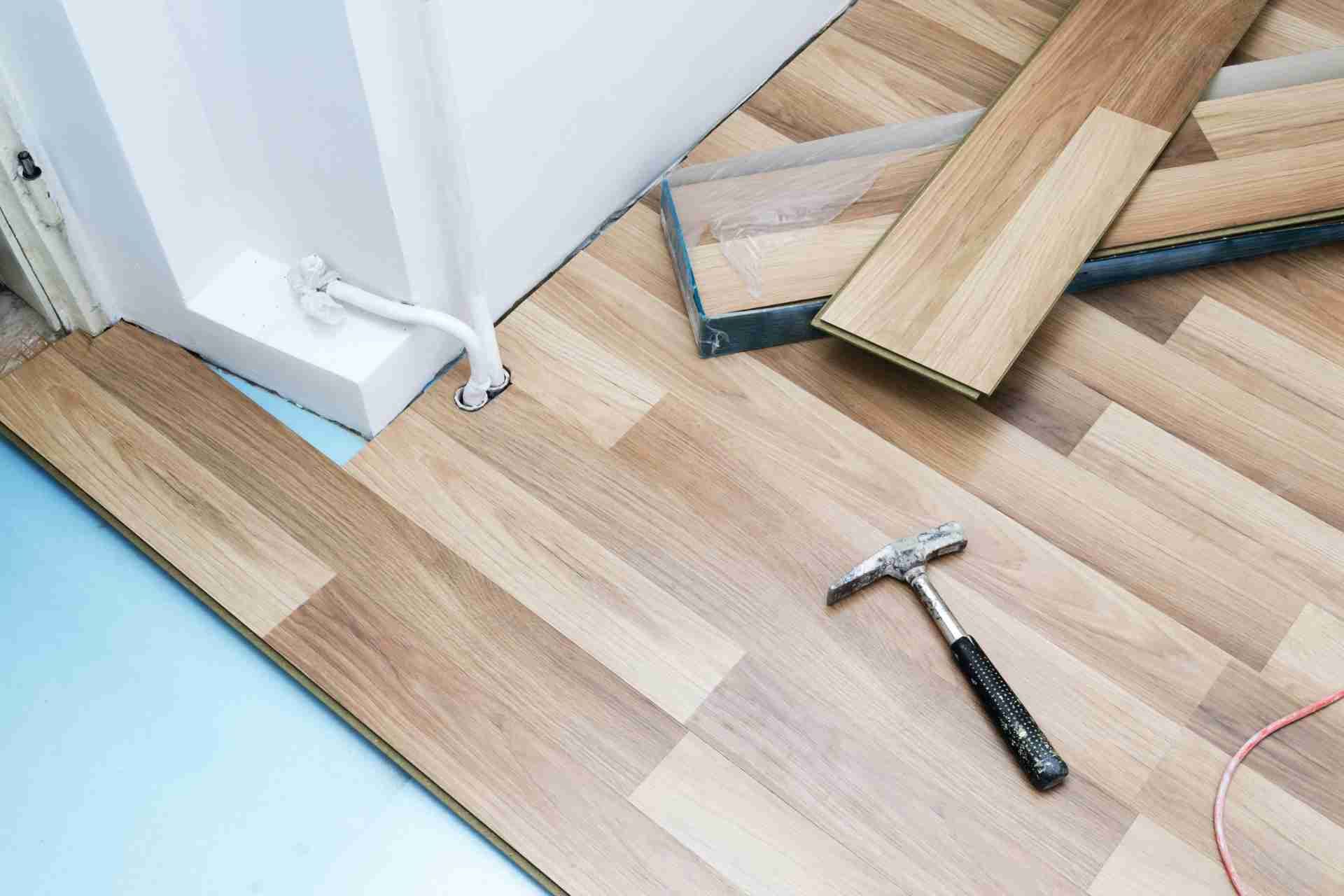
  2. Install Underlayment: Install an underlayment material, such as foam or cork, over the leveled surface. The underlayment provides additional cushioning, moisture protection, and sound insulation.
  3. Follow Manufacturer's Guidelines: Carefully follow the manufacturer's guidelines for installing the laminate flooring, including acclimation, interlocking, and expansion gaps.
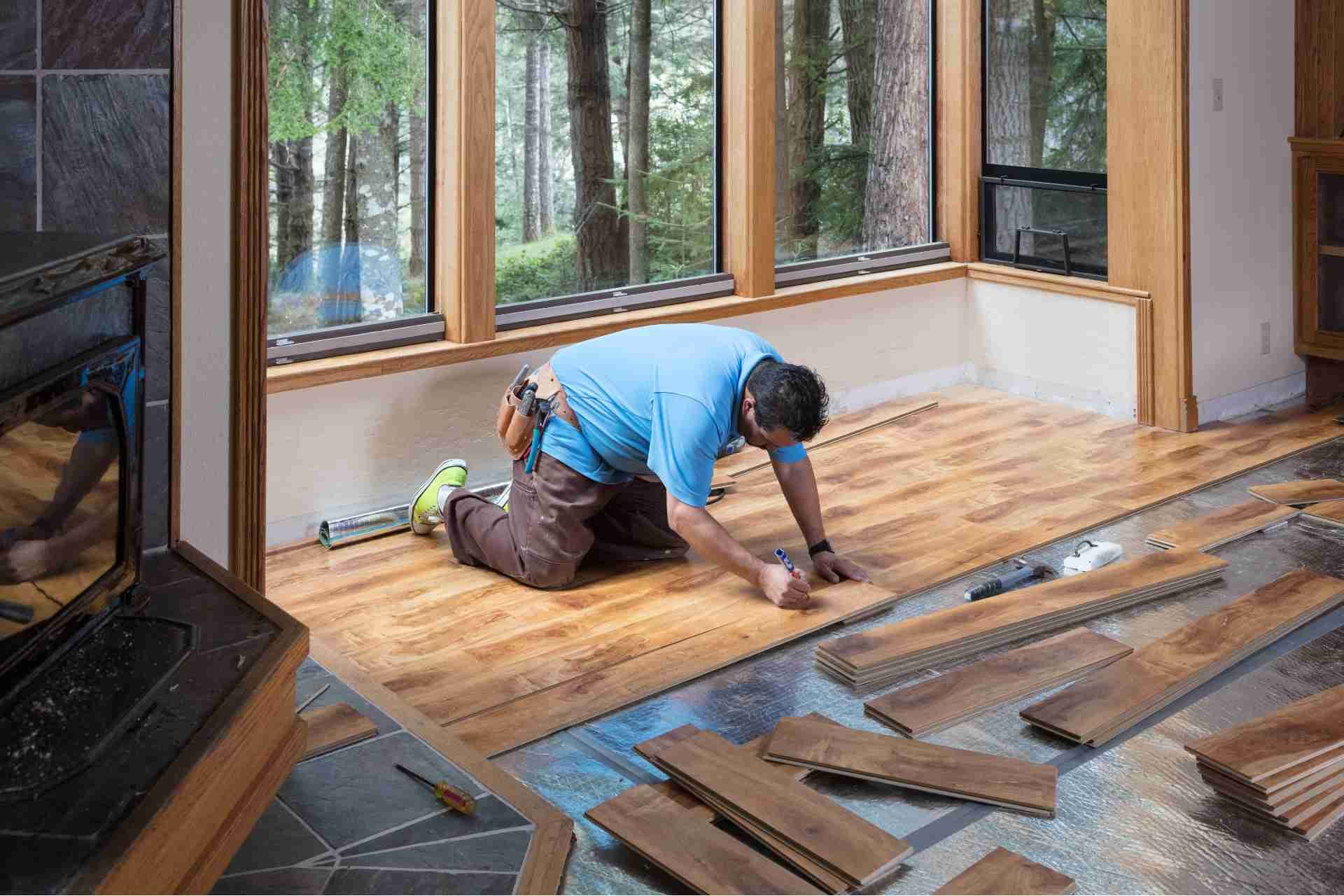
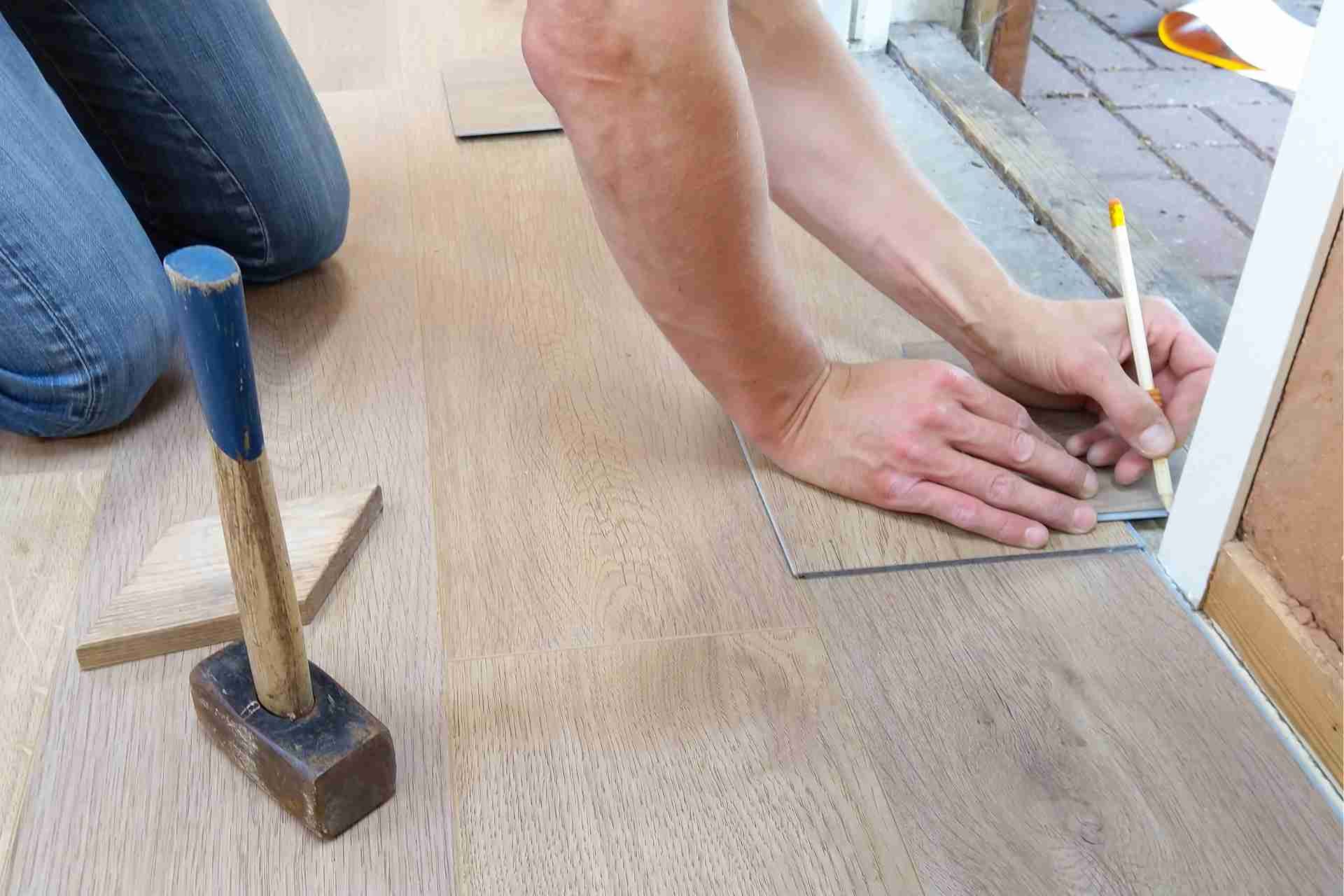
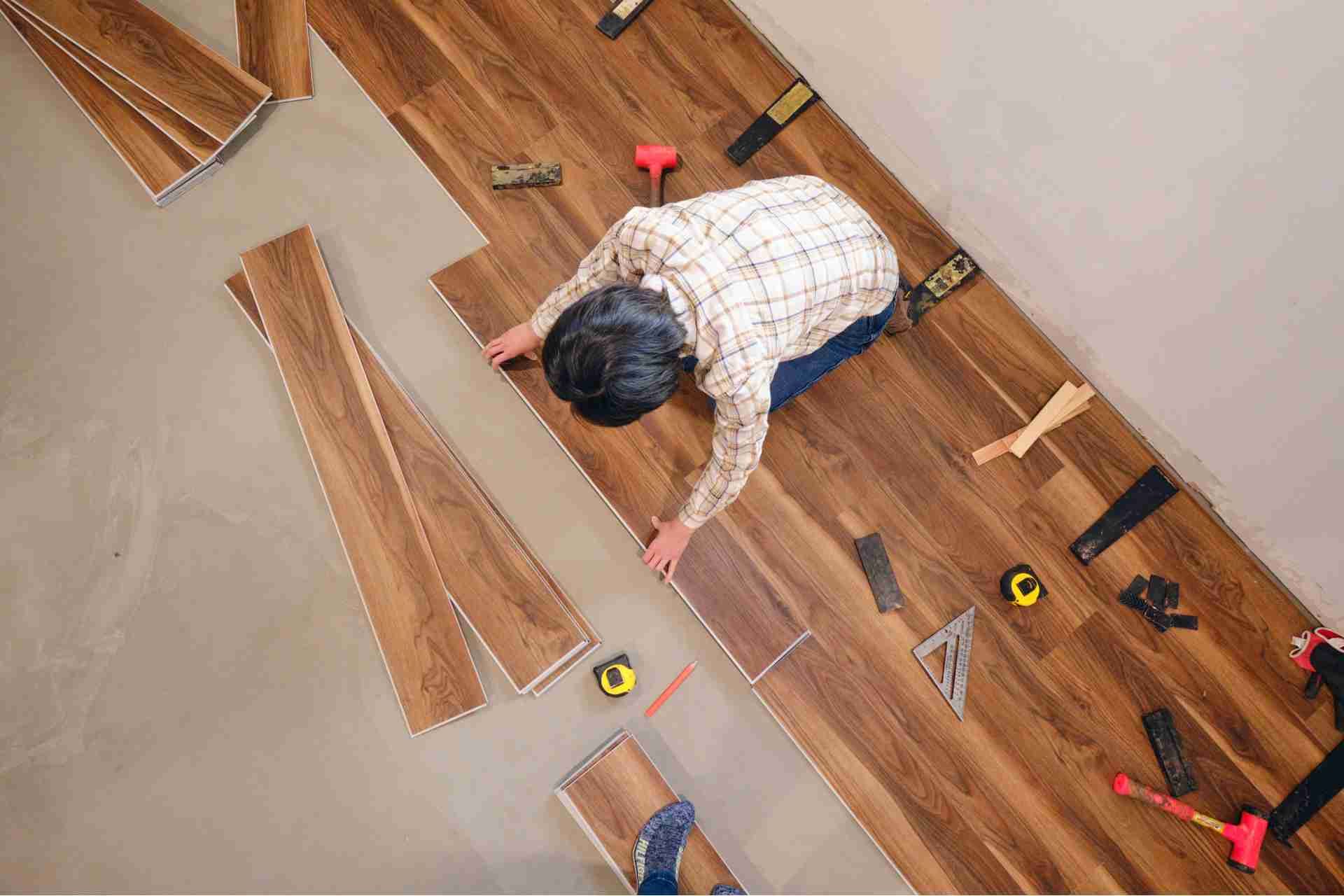
  4. Laminate Flooring Installation: Install the laminate flooring according to the manufacturer's instructions, starting in one corner of the room and working your way across. Ensure each piece is securely interlocked and aligned.

Conclusion 

Achieving a level floor is a critical step in ensuring a successful laminate flooring installation. By carefully assessing the floor, choosing the appropriate leveling method, and executing the leveling process with precision, you can create a solid foundation for your laminate flooring. Remember to follow the manufacturer's instructions and take your time to achieve a smooth and level surface. Proper leveling not only enhances the aesthetic appeal of your flooring but also prolongs its lifespan and prevents potential issues. With the knowledge gained from this comprehensive guide, you can confidently level your floor and embark on a rewarding laminate flooring project.
Pet Odor & Stain Removal: Tips Every Pet Owner Should Know
February 6, 2026
As a pet owner, you know that odors and stains can be an ongoing struggle. It's essential to understand what causes these issues and how to tackle them effectively.
Carpet Cleaning Frequency: How Often Should You Really Clean Your Carpets?
February 4, 2026
When it comes to carpet cleaning frequency, figuring out the right schedule for your home can be tricky. You might think it’s enough to clean once a year, but that rarely suits everyone’s needs.
How to Choose the Right Carpet Cleaning Method for Your Home
February 2, 2026
Choosing the right carpet cleaning method for your home can seem daunting, but it doesn’t have to be. You’ll need to consider your carpet's material, your lifestyle, and even your budget.
Flooring: LVT vs LVP
January 9, 2026
When it comes to choosing the right flooring for your space, you might find yourself torn between Luxury Vinyl Tile (LVT) and Luxury Vinyl Plank (LVP).
Are Laminate Wood Floors Waterproof
January 7, 2026
When considering laminate wood floors, you might wonder if they're truly waterproof.
What types of flooring materials are best for high traffic commercial spaces?
January 5, 2026
When it comes to high traffic commercial spaces, choosing the right flooring material is crucial.
How to Choose a Reliable Flooring & Carpet Cleaning Contractor: 10 Questions to Ask
December 8, 2025
Avoid costly mistakes. Ask these 10 key questions to find a trustworthy flooring and carpet cleaning contractor near you.
Common Flooring Problems in Pennsylvania Homes (And How We Fix Them)
December 5, 2025
From moisture damage to worn finishes, explore common PA flooring problems and how our experts fix them fast and effectively.
The ROI of Professional Flooring & Cleaning Services: How Much Value Does It Add?
December 3, 2025
Wondering if professional flooring and cleaning are worth it? Learn how these services increase home value, lifespan, and appeal.
How to Properly Maintain & Protect Your Floors After Installation
November 7, 2025
After installing new floors, it's crucial to understand how to keep them looking their best. Regular maintenance can prevent damage and extend their lifespan. You'll want to establish a cleaning routine and take simple steps to protect your investment. But what should you do when spills happen, or how can you effectively prevent scratches? Let's explore the essential practices that will keep your floors beautiful and durable for years to come. Understanding Your Flooring Type Your flooring type plays a crucial role in how you maintain it. Each material—be it hardwood, laminate, tile, or carpet—has its own unique needs. For instance, hardwood requires regular polishing and humidity control to prevent warping, while carpet needs frequent vacuuming to keep dirt and allergens at bay. Tile flooring, on the other hand, often demands grout cleaning to maintain its appearance. Understanding these differences helps you choose the right cleaning products and techniques. For example, avoid using water on unsealed wood floors, as it can cause damage. Knowing your flooring type enables you to create a tailored maintenance plan, ensuring your floors remain beautiful and last for years. So, take the time to learn about your flooring! Regular Cleaning Routines While it may seem tempting to let cleaning slide, establishing a regular cleaning routine is essential for maintaining your floors' beauty and longevity. Start by sweeping or vacuuming at least once a week to remove dirt and debris that can scratch the surface. Depending on your flooring type, mop with a suitable cleaner every month to keep it looking fresh. Don't forget to spot clean spills immediately to prevent stains and damage. Use rugs at entryways to catch dirt from shoes, and consider using felt pads under furniture to avoid scratches. Preventative Measures for Longevity To ensure your floors last as long as possible, taking preventative measures is crucial. First, place mats at entry points to trap dirt and moisture before it reaches your floors. This simple step can significantly reduce wear and tear. Next, consider using furniture pads under heavy items to prevent scratches and dents. Regularly inspect high-traffic areas and rotate furniture to distribute weight evenly, minimizing indentations. If your floors are exposed to sunlight, use curtains or UV films to protect them from fading. Finally, maintain a consistent indoor humidity level to prevent warping or cracking. Dealing With Spills and Stains Even with preventative measures in place, spills and stains can still happen. When they do, act quickly. Grab a clean, dry cloth or paper towel and blot the spill immediately—don't rub, as that can spread the mess. For tougher stains, mix a few drops of mild dish soap with warm water. Dampen a cloth in the solution and gently wipe the area, then rinse with clean water. Always test any cleaning solution in an inconspicuous spot first. For hardwood floors, avoid excessive moisture; too much water can warp the wood. If you're dealing with specific substances like wine or ink, look for specialized cleaners suited for your floor type. Protecting Floors From Furniture and Foot Traffic Protecting your floors from furniture and foot traffic is essential for maintaining their beauty and longevity. Start by using felt pads under furniture legs to prevent scratches and dents. Make sure to check these pads regularly, replacing them as needed. When moving furniture, lift it instead of dragging, as this can cause significant damage. For high-traffic areas, consider area rugs to absorb some of the wear. Choose non-slip mats to keep them in place and prevent slips. Encourage family members and guests to remove shoes at the door to minimize dirt and debris. Finally, keep your floors clean by sweeping or vacuuming regularly to remove grit that can scratch surfaces. Taking these steps will help keep your floors looking pristine for years to come. Seasonal Maintenance Tips As seasons change, the maintenance of your floors requires attention to different challenges they may face. In the spring, be sure to deep clean and remove any dirt or allergens that have accumulated during the winter months. Summer brings humidity, so use dehumidifiers to prevent moisture damage, especially for wood floors. In the fall, clean up leaves and debris that could scratch surfaces. Winter requires extra care; use mats at entrances to minimize salt and snow exposure, and consider using furniture coasters to prevent dents from heavy items. Regularly check for signs of wear and apply appropriate products to protect your floors. Conclusion By following these maintenance tips, you can keep your floors looking beautiful and lasting longer. Regular cleaning, preventative measures, and prompt spill management are key to protecting your investment. Don't forget to use mats and furniture pads to minimize wear and tear. Stay vigilant about humidity levels and seasonal changes to ensure your floors remain in top shape. With a little effort, your floors will continue to shine and withstand daily life's challenges for years to come.
More Posts