Types of Carpet Stains and How to Clean It
January 16, 2024
types of carpet stains

Carpets are a staple in many homes, providing warmth, comfort, and aesthetic appeal. However, maintaining their pristine condition can be quite challenging, especially when faced with inevitable stains. From accidental spills to pet mishaps, carpet stains are just a part of life. The good news is that most stains can be removed if you know the right techniques. Explore the most common types of carpet stains and how to effectively clean them.


6 Common Types of Carpet Stains

1. Red Wine Stains

One of the most dreaded carpet stains, red wine can leave a lasting mark if not addressed promptly. To tackle this stain, start by blotting the area with a clean cloth or paper towel to soak up as much wine as possible. Next, mix a solution of one-part dishwashing liquid and two parts hydrogen peroxide. Apply the mixture to the stain and gently blot it with a clean cloth. Rinse the area with warm water and repeat the process if necessary.


2. Food and Grease Stains

Accidental spills of food or grease can leave unsightly stains on your carpet. The key to dealing with these stains is to act quickly. Start by scraping off any solid residue with a spoon or blunt knife, being careful not to push it further into the carpet. Next, sprinkle baking soda or cornstarch on the affected area and let it sit for about 15 minutes. Vacuum the powder, and if the stain persists, mix a solution of warm water and mild dish soap. Apply the mixture to the stain and gently blot it, rinsing with clean water afterward.


3. Pet Stains

As much as we love our furry friends, pet stains can be particularly challenging to remove and can leave unpleasant odors. Begin by blotting up as much of the stain as possible using paper towels or a clean cloth. Mix a solution of warm water and white vinegar, and apply it to the affected area. Blot the stain with a clean cloth, and if necessary, repeat the process until the stain and odor are eliminated. To prevent pets from returning to the same spot, consider using an enzymatic cleaner designed specifically for pet stains.


4. Ink Stains

Ink stains can be frustrating, but with the right method, they can be effectively removed. Start by blotting the stain gently with a clean cloth or paper towel, being careful not to spread the ink further. Next, mix a solution of warm water and mild dishwashing liquid. Apply the mixture to the stain and blot it until the ink transfers onto the cloth. Rinse the area with water and blot it dry.


5. Coffee and Tea Stains

Morning rituals can sometimes result in unwanted spills, leaving coffee or tea stains on your carpet. Act quickly by blotting the stain with a clean cloth or paper towel to absorb as much liquid as possible. Mix a solution of warm water, vinegar, and dishwashing liquid and apply it to the stain. Blot the area gently until the stain is removed, rinse with clean water, and pat dry.


6. Mud and Dirt Stains

Muddy footprints and dirt stains are common, especially in high-traffic areas of the house. The key to removing these stains is to let them dry completely first. Once dry, gently vacuum the area to remove loose soil. Mix a solution of warm water and a mild detergent, and use a clean cloth or sponge to dab the stain. Rinse with clean water and blot the area dry. For stubborn dirt stains, you may need to repeat this process or consider using a specialized carpet cleaner specifically formulated for soil removal.


Different Carpet Materials and Cleaning Methods 

Carpets are a popular choice for flooring in many homes and offices. They not only add a touch of comfort and warmth, but they also come in a variety of materials that can suit different needs and styles. However, with their regular use, carpets can quickly accumulate dirt, dust, and stains. To maintain their beauty and longevity, it's important to understand the different carpet materials and their corresponding cleaning methods.


Nylon Carpets

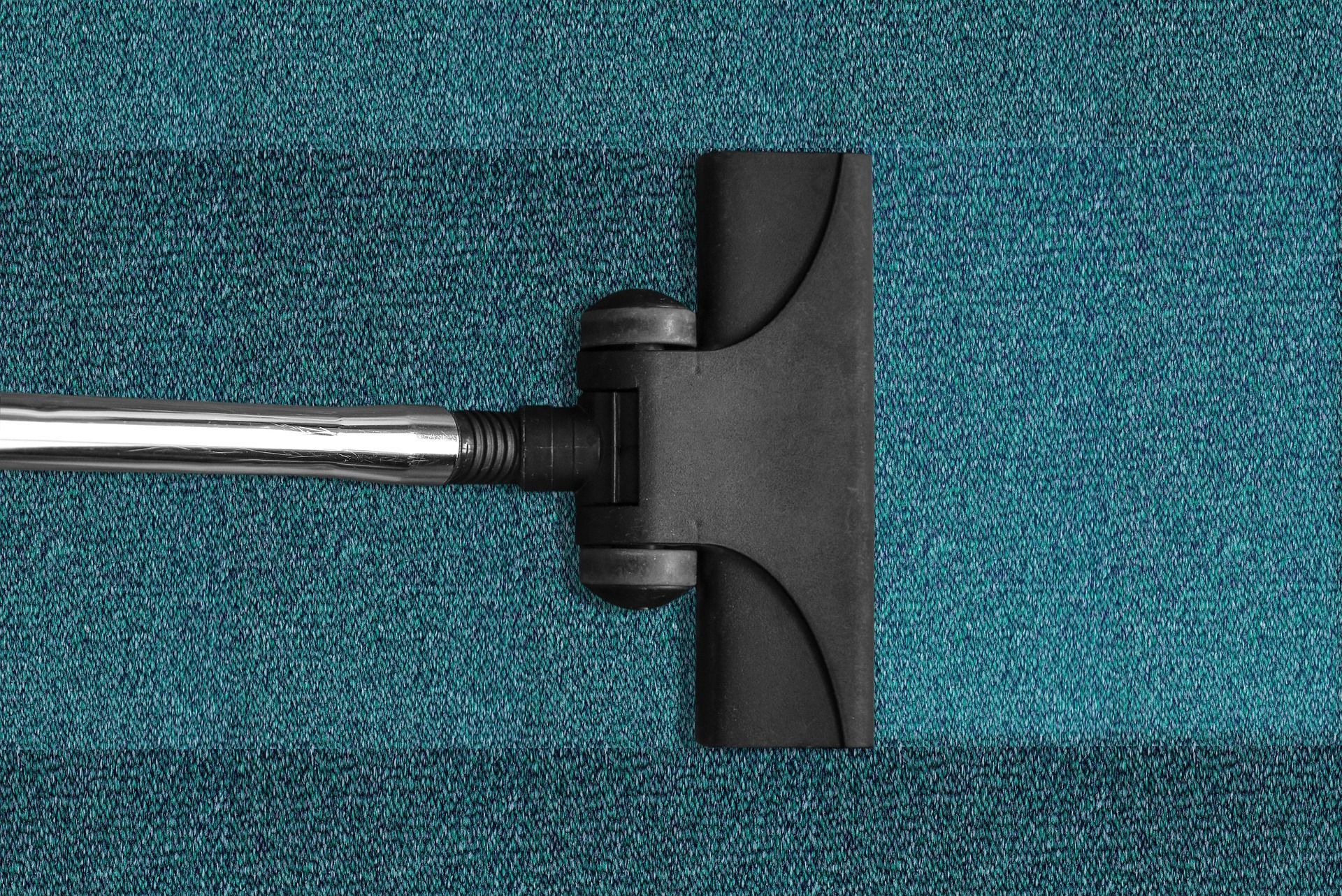
Nylon carpets are renowned for their durability, making them an excellent choice for high-traffic areas. When it comes to cleaning, nylon carpets are relatively low-maintenance. Vacuuming regularly is key to removing surface dirt, while occasional deep cleaning with a steam cleaner can help eliminate embedded dirt and stains.


Wool Carpets

Wool is a natural and luxurious carpet material that offers great resilience and durability. It also has natural stain-repelling properties which make it easier to clean. However, wool carpets require special care. Regular vacuuming is essential, but be sure to use a vacuum cleaner with adjustable settings to prevent excessive fiber shedding. Avoid using harsh chemicals or excessive water when cleaning wool carpets as they can damage the fibers. Instead, opt for a gentle wool-specific cleaning solution and blot stains rather than rubbing them.


Polyester Carpets

Polyester carpets are known for their stain resistance and vibrant colors. They are a great option for areas with less foot traffic. Regular vacuuming and quick spot cleaning are usually sufficient to maintain polyester carpets. However, they can be more prone to crushing and matting, so using a vacuum cleaner with a rotating brush can help retain their original texture.


Olefin Carpets

Olefin, or polypropylene, is a synthetic carpet material that offers excellent resistance to moisture, stains, and fading. It is commonly used in outdoor or basement areas where moisture and spills are more likely to occur. Olefin carpets can be cleaned using mild detergent and water or a solution of vinegar and water. Avoid using excessive heat or rubbing vigorously to prevent melting or fraying of the fibers.


Blended Carpets

Blended carpets are made of a combination of different materials, often mixing synthetic and natural fibers. The cleaning process for blended carpets will depend on the predominant material used. It's important to identify the primary fiber and use the appropriate cleaning method accordingly.


In addition to understanding the material-specific cleaning methods, there are some general tips to keep in mind when cleaning carpets:

  • Regularly vacuum your carpets to remove loose dirt and debris.
  • Attend to spills and stains immediately to prevent them from setting into the fibers.
  • Test any cleaning solution on a small, inconspicuous area of the carpet before applying it to the entire surface.
  • Don't over-wet your carpet while cleaning, as excessive moisture can lead to mold or mildew growth.
  • Consider hiring professional carpet cleaners for deep cleaning at least once a year, especially for high-traffic areas.


Call 1st Class Carpet Care for Emergency Cleaning

When faced with stubborn or deeply set carpet stains, it is wise to seek the help of professional carpet cleaning services. 1st Class Carpet Care has the expertise, effective techniques, and specialized equipment to ensure that your carpets are treated with the utmost care and restored to their former glory. By investing in professional carpet cleaning, you not only save time and effort but also protect your carpets from damage and enhance their longevity. So, don't hesitate to seek help when it comes to stubborn carpet stains – let the professionals handle it!
How to Choose a Reliable Flooring & Carpet Cleaning Contractor: 10 Questions to Ask
December 8, 2025
When it comes to maintaining your home's flooring and carpets, choosing the right cleaning contractor is crucial. You’ll want to ask specific questions to ensure you’re getting quality service. From certifications to cleaning methods, each detail matters in making your decision. But what exactly should you be looking f
Common Flooring Problems in Pennsylvania Homes (And How We Fix Them)
December 5, 2025
If you own a home in Pennsylvania, you might've noticed some common flooring problems popping up over time. Fluctuating humidity levels can cause hardwood floors to warp, while tile often cracks in busy areas. Water damage from leaks is another concern that many homeowners face. Understanding these issues is the first
The ROI of Professional Flooring & Cleaning Services: How Much Value Does It Add?
December 3, 2025
When you think about the impact of professional flooring and cleaning services, what comes to mind? It's not just about aesthetics; it’s about creating a safe and productive environment for both employees and customers. The value these services add can be significant, yet many overlook the long-term benefits. So, what
How to Properly Maintain & Protect Your Floors After Installation
November 7, 2025
After installing new floors, it's crucial to understand how to keep them looking their best. Regular maintenance can prevent damage and extend their lifespan. You'll want to establish a cleaning routine and take simple steps to protect your investment. But what should you do when spills happen, or how can you effectively prevent scratches? Let's explore the essential practices that will keep your floors beautiful and durable for years to come. Understanding Your Flooring Type Your flooring type plays a crucial role in how you maintain it. Each material—be it hardwood, laminate, tile, or carpet—has its own unique needs. For instance, hardwood requires regular polishing and humidity control to prevent warping, while carpet needs frequent vacuuming to keep dirt and allergens at bay. Tile flooring, on the other hand, often demands grout cleaning to maintain its appearance. Understanding these differences helps you choose the right cleaning products and techniques. For example, avoid using water on unsealed wood floors, as it can cause damage. Knowing your flooring type enables you to create a tailored maintenance plan, ensuring your floors remain beautiful and last for years. So, take the time to learn about your flooring! Regular Cleaning Routines While it may seem tempting to let cleaning slide, establishing a regular cleaning routine is essential for maintaining your floors' beauty and longevity. Start by sweeping or vacuuming at least once a week to remove dirt and debris that can scratch the surface. Depending on your flooring type, mop with a suitable cleaner every month to keep it looking fresh. Don't forget to spot clean spills immediately to prevent stains and damage. Use rugs at entryways to catch dirt from shoes, and consider using felt pads under furniture to avoid scratches. Preventative Measures for Longevity To ensure your floors last as long as possible, taking preventative measures is crucial. First, place mats at entry points to trap dirt and moisture before it reaches your floors. This simple step can significantly reduce wear and tear. Next, consider using furniture pads under heavy items to prevent scratches and dents. Regularly inspect high-traffic areas and rotate furniture to distribute weight evenly, minimizing indentations. If your floors are exposed to sunlight, use curtains or UV films to protect them from fading. Finally, maintain a consistent indoor humidity level to prevent warping or cracking. Dealing With Spills and Stains Even with preventative measures in place, spills and stains can still happen. When they do, act quickly. Grab a clean, dry cloth or paper towel and blot the spill immediately—don't rub, as that can spread the mess. For tougher stains, mix a few drops of mild dish soap with warm water. Dampen a cloth in the solution and gently wipe the area, then rinse with clean water. Always test any cleaning solution in an inconspicuous spot first. For hardwood floors, avoid excessive moisture; too much water can warp the wood. If you're dealing with specific substances like wine or ink, look for specialized cleaners suited for your floor type. Protecting Floors From Furniture and Foot Traffic Protecting your floors from furniture and foot traffic is essential for maintaining their beauty and longevity. Start by using felt pads under furniture legs to prevent scratches and dents. Make sure to check these pads regularly, replacing them as needed. When moving furniture, lift it instead of dragging, as this can cause significant damage. For high-traffic areas, consider area rugs to absorb some of the wear. Choose non-slip mats to keep them in place and prevent slips. Encourage family members and guests to remove shoes at the door to minimize dirt and debris. Finally, keep your floors clean by sweeping or vacuuming regularly to remove grit that can scratch surfaces. Taking these steps will help keep your floors looking pristine for years to come. Seasonal Maintenance Tips As seasons change, the maintenance of your floors requires attention to different challenges they may face. In the spring, be sure to deep clean and remove any dirt or allergens that have accumulated during the winter months. Summer brings humidity, so use dehumidifiers to prevent moisture damage, especially for wood floors. In the fall, clean up leaves and debris that could scratch surfaces. Winter requires extra care; use mats at entrances to minimize salt and snow exposure, and consider using furniture coasters to prevent dents from heavy items. Regularly check for signs of wear and apply appropriate products to protect your floors. Conclusion By following these maintenance tips, you can keep your floors looking beautiful and lasting longer. Regular cleaning, preventative measures, and prompt spill management are key to protecting your investment. Don't forget to use mats and furniture pads to minimize wear and tear. Stay vigilant about humidity levels and seasonal changes to ensure your floors remain in top shape. With a little effort, your floors will continue to shine and withstand daily life's challenges for years to come.
Budgeting for a Flooring Renovation: Hidden Costs Homeowners Often Overlook
November 5, 2025
When you're planning a flooring renovation, it's easy to focus solely on the materials and installation. However, you might not realize that hidden costs can quickly add up, impacting your overall budget. From disposal fees to unexpected repairs, these expenses often catch homeowners off guard. Before you commit to anything, it's crucial to consider all potential costs. Let's explore the key areas that could surprise you and how to prepare for them. Preparation Costs: What You Need to Consider Before diving into your flooring renovation, it's crucial to understand the preparation costs involved. First, you'll need to factor in the expense of purchasing tools and materials, like underlayment, adhesives, or leveling compounds. If you're not a DIY expert, hiring a contractor can add significantly to your budget, so get quotes from a few professionals to compare. Don't forget about potential costs for moving furniture—clearing the space is essential for a smooth installation. Additionally, you may need to consider minor repairs or adjustments to your subfloor, which can also impact your budget. Planning for these expenses ahead of time will help you avoid surprises and keep your renovation on track. Disposal Fees for Old Flooring Once you've tackled the preparation costs, you need to consider disposal fees for your old flooring. Many homeowners underestimate these costs, thinking they can simply toss the old materials in the trash. However, most municipalities have strict regulations about flooring disposal, especially for materials like carpet or laminate. You might need to hire a junk removal service or rent a dumpster, which can quickly add to your budget. Additionally, some flooring types may require special handling due to environmental concerns. Before you start your renovation, research your local disposal options and fees to avoid unexpected expenses. Planning for these costs ensures a smoother renovation and helps you stay within your budget. Subfloor Repairs and Upgrades As you prepare for your flooring renovation, addressing any necessary subfloor repairs and upgrades is crucial for a successful installation. You mightn't realize that a compromised subfloor can lead to uneven flooring and premature wear. Inspect for signs of damage like water stains or squeaks, which could indicate issues needing attention. Depending on the condition, you may need to replace sections of plywood or reinforce the structure. This could involve additional materials and labor costs, so budget accordingly. Upgrading your subfloor with moisture-resistant options can also improve durability, especially in areas prone to humidity. Unexpected Structural Issues While you might've a clear plan for your flooring renovation, unexpected structural issues can arise that derail your budget and timeline. Hidden water damage, rotting beams, or uneven foundations can turn your project upside down. Before you start, it's wise to have a thorough inspection of the area. If you discover problems during the renovation, you'll need to address them immediately, which could lead to increased costs and delays. Even minor repairs can add up quickly, so be prepared for the possibility of needing extra funds. Setting aside a contingency budget of 10-15% can help you manage these surprises without too much stress. Anticipating structural issues will give you peace of mind as you embark on your flooring journey. Design and Aesthetic Enhancements When considering a flooring renovation, many homeowners overlook the impact of design and aesthetic enhancements. Choosing the right flooring isn't just about durability; it's also about how it complements your home's overall style. You might want to consider different colors, textures, and patterns that can elevate the look of your space. For instance, opting for wide planks can create a more spacious feel, while intricate designs can add character. Don't forget about transitions between rooms; they can enhance flow and unity. Additionally, underlayment options can affect acoustics, making your space feel warmer and more inviting. Budgeting for these enhancements can transform your renovation from merely functional to visually stunning, increasing both your enjoyment and your home's value. Labor Costs Beyond Installation Selecting the right flooring can enhance your home's aesthetic, but the costs don't stop at the materials. Labor costs can add up quickly, especially beyond just installation. You might need to factor in expenses for removing old flooring, which often requires specialized skills and tools. Additionally, if your subfloor needs repairs or leveling, you'll incur more labor charges. Don't forget about potential permits or inspections that might be necessary, depending on your project's scope. If you're bringing in an electrician for any lighting adjustments or outlets, that's another layer of costs. Long-Term Maintenance and Care Expenses Even after your flooring renovation is complete, ongoing maintenance and care expenses can influence your budget significantly. You'll need to factor in regular cleaning supplies, like specialized cleaners or equipment for different flooring types. Depending on your choice, some materials require periodic refinishing or sealing, adding to your costs. Consider also the potential for repairs; accidents happen, and damage can occur, especially in high-traffic areas or homes with pets. Setting aside a maintenance fund can help you manage unexpected expenses more easily. Don't forget about the long-term benefits of proper care; it can extend the life of your flooring and enhance its appearance. Staying proactive with maintenance can save you money in the long run. Conclusion When budgeting for your flooring renovation, don't forget to factor in those hidden costs. From disposal fees and potential subfloor repairs to extra labor and long-term maintenance, it all adds up quickly. To avoid surprises, research thoroughly, get multiple quotes, and set aside a contingency fund of 10-15%. By planning ahead, you can ensure your renovation stays within budget and turns out just the way you envisioned it, without any financial strain.
Carpet Stain Removal Tips for Common Spills Wine, Coffee, Pet Accidents
November 3, 2025
When it comes to carpet stains, swift action is crucial. Whether it's a spill from a glass of red wine, a morning cup of coffee, or an unfortunate pet accident, knowing the right techniques can make all the difference. Each type of stain requires a specific approach for effective removal. Curious about the best methods to tackle these common issues? Let's explore the solutions that can save your carpet from permanent damage. Understanding Carpet Stains: Types and Causes Carpet stains can be a homeowner's nightmare, but understanding their types and causes makes tackling them easier. Stains generally fall into three categories: water-soluble, oil-based, and protein-based. Water-soluble stains, like coffee or juice, can often be cleaned with simple soap and water. Oil-based stains, such as grease or makeup, require solvent-based cleaners for effective removal. Protein-based stains, including blood or pet accidents, need enzymatic cleaners to break down the proteins. Knowing the source of a stain helps you choose the right cleaning method. Additionally, factors like carpet material and age can influence stain behavior. How to Remove Red Wine Stains One effective method for tackling red wine stains involves acting quickly to prevent permanent damage. As soon as you spill, grab a clean cloth and gently blot the stain to soak up as much wine as possible. Avoid rubbing, as this can spread the stain. Once you've blotted, sprinkle a generous amount of salt over the stain. The salt will absorb the wine, making it easier to clean. After about five minutes, vacuum up the salt. Next, mix a solution of equal parts white vinegar and dish soap with water. Using a clean cloth, dab this solution onto the stain, continuing to blot until the stain lifts. Rinse with cold water and blot dry. Your carpet will look good as new! Effective Solutions for Coffee Stains After tackling red wine stains, you might find yourself facing another common challenge: coffee spills. Don't panic; quick action can make all the difference. Start by blotting the stain with a clean cloth to absorb excess coffee—avoid rubbing, as this can spread the stain. Next, mix one tablespoon of dish soap, one tablespoon of white vinegar, and two cups of warm water. Dampen a cloth with this solution and gently blot the stain, working from the outside in. Rinse the area with cold water using a different cloth to remove any soap residue. Finally, blot the area dry with a towel. If the stain persists, repeat the process until it's gone. Your carpet will thank you! Tackling Pet Accidents on Carpets When your pet has an accident on the carpet, quick action is crucial to prevent lasting damage and odors. Start by blotting the area with paper towels to absorb as much moisture as possible. Avoid rubbing, as it can spread the stain. Next, mix a solution of white vinegar, water, and a few drops of dish soap. Apply this mixture to the stain, letting it sit for about 10 minutes. Blot again with clean towels, repeating until the stain lifts. Once it's clean, rinse the area with water and blot dry. Finally, sprinkle baking soda over the spot to neutralize odors. Vacuum after a few hours to remove any residue, leaving your carpet fresh and clean. Preventative Measures to Avoid Future Stains To keep your carpets looking fresh and stain-free, it's essential to take proactive steps that minimize the risk of spills and accidents. First, consider using area rugs in high-traffic zones or under furniture to protect your carpet. When hosting, encourage guests to use coasters for drinks and designate snack areas to reduce crumbs and spills. If you have pets, train them to stay off the carpeted areas or use pet-friendly mats. Regularly vacuuming helps prevent dirt buildup and potential stains. Lastly, consider applying a carpet protector, which can create a barrier against spills and make cleanup easier. Professional Cleaning Options for Stubborn Stains Although you may try various DIY methods, some stains require the expertise of professional cleaners. When you face stubborn stains like red wine, coffee, or pet accidents, it's often best to call in the pros. They use advanced techniques and specialized equipment that can effectively lift tough stains without damaging your carpet. Professionals typically assess the stain and the carpet type before applying the right cleaning solution. Their high-powered steam cleaners and eco-friendly products penetrate deep fibers, ensuring a thorough clean. Plus, they can help eliminate odors and prevent future stains. Investing in professional cleaning not only restores your carpet's appearance but also extends its lifespan. Don't hesitate to seek help when you need it; your carpets deserve the best care! Conclusion In conclusion, tackling carpet stains quickly and effectively can save your carpets from permanent damage. Whether it's red wine, coffee, or pet accidents, using the right cleaning solutions can make all the difference. Remember to blot first, apply the appropriate mixture, and don't forget those preventative measures to keep your carpets looking fresh. If you face stubborn stains, don't hesitate to consider professional cleaning for the best results. Your carpets deserve the care!
Top Signs Your Tile & Grout Needs Deep Cleaning (and What Happens If You Don’t)
October 8, 2025
Signs of dull tile and stained grout could mean trouble—discover the risks of neglecting these critical areas in your home.
What to Do Immediately After Water Damage: First Steps & Mistakes to Avoid
October 6, 2025
In the aftermath of water damage, immediate actions can save your home—discover the crucial steps and mistakes to avoid that could exacerbate the problem.
How Often Should You Professionally Clean Your Carpets? A Homeowner’s Guide
October 3, 2025
When it comes to carpet care, knowing how often to schedule professional cleanings can make a significant difference in your home's health and appearance. Factors like foot traffic, pets, and allergies play a crucial role in determining the right frequency for your carpets. So, how do you figure out what works best for
Why Keep Cleaning and Disinfecting High-touch Surfaces?
September 10, 2025
Not cleaning high-touch surfaces may expose you to hidden germs and illnesses—discover the surprising importance of effective cleaning and disinfecting today.
More Posts