How long does it take to Install New Carpet
July 27, 2023
how long does it take to install new carpet

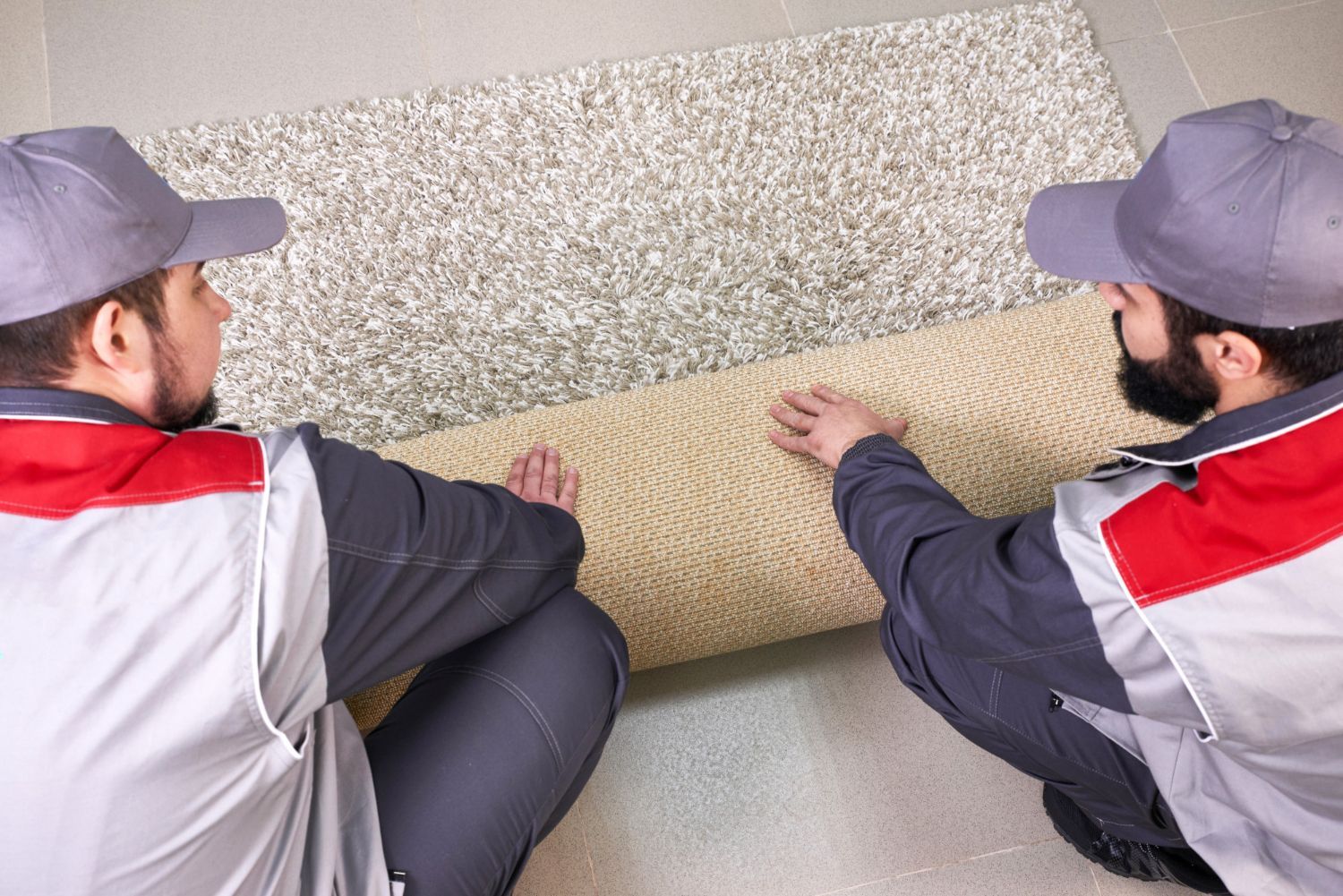
Installing a new carpet is an exciting home improvement project that can completely transform the look and feel of a room. The process of installing carpet involves several steps, each requiring careful attention to detail to ensure a successful outcome. In this blog post, we will explore the various stages of carpet installation and provide you with an estimate of the time it typically takes to complete the project.

Installation Process

Preparation

Before the installation process begins, proper preparation is crucial. This involves removing the existing carpet, padding, and any furniture in the room. Additionally, the floor needs to be thoroughly cleaned and any imperfections should be addressed. Depending on the size of the room and the complexity of the existing flooring, this preparation stage can take anywhere from a few hours to a full day.

Measurement and Cutting

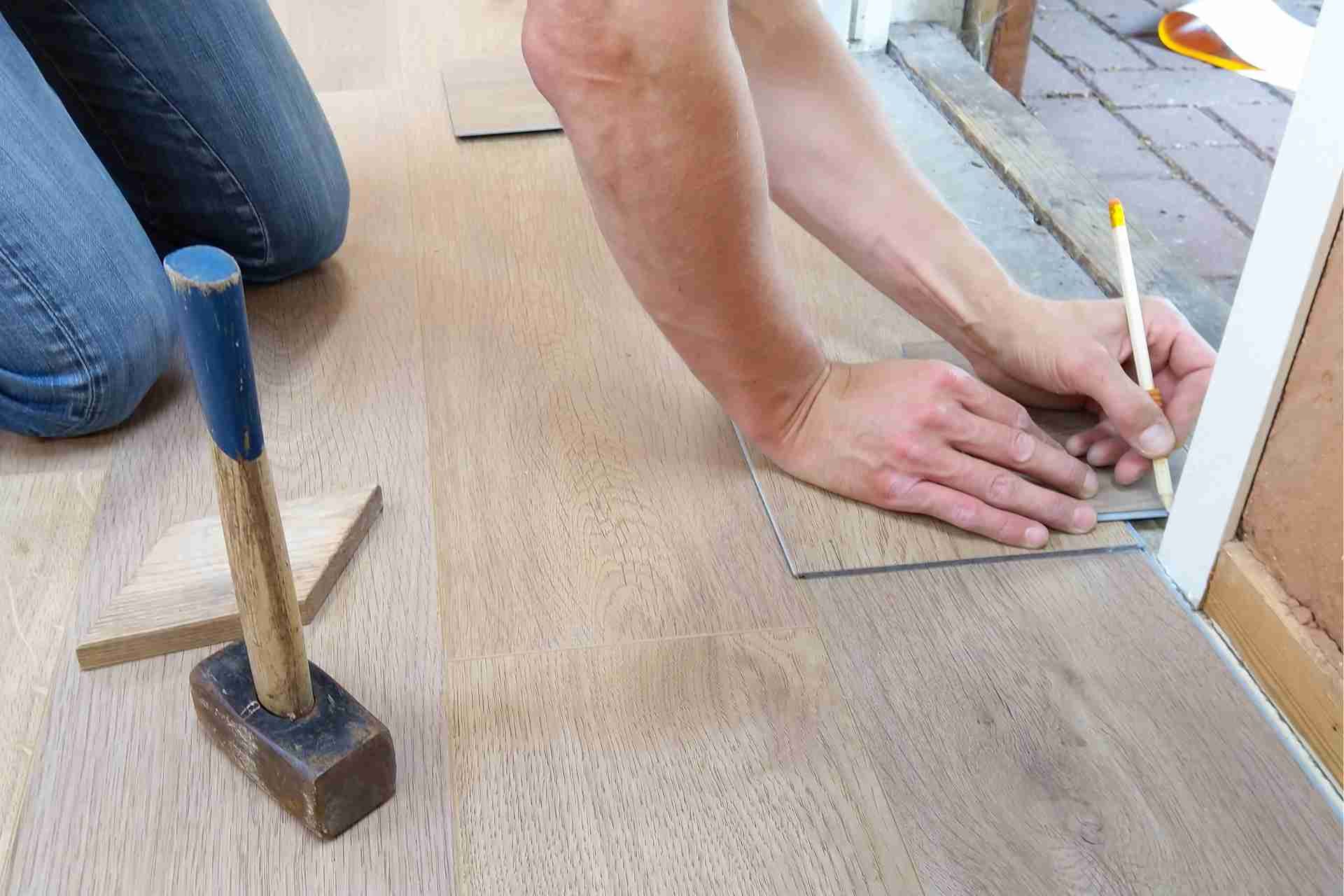
Once the room is prepared, precise measurements need to be taken to ensure the carpet fits perfectly. The carpet is typically cut and shaped off-site according to these measurements. This step is typically done by professionals and may not require much of your time.

Carpet Installation

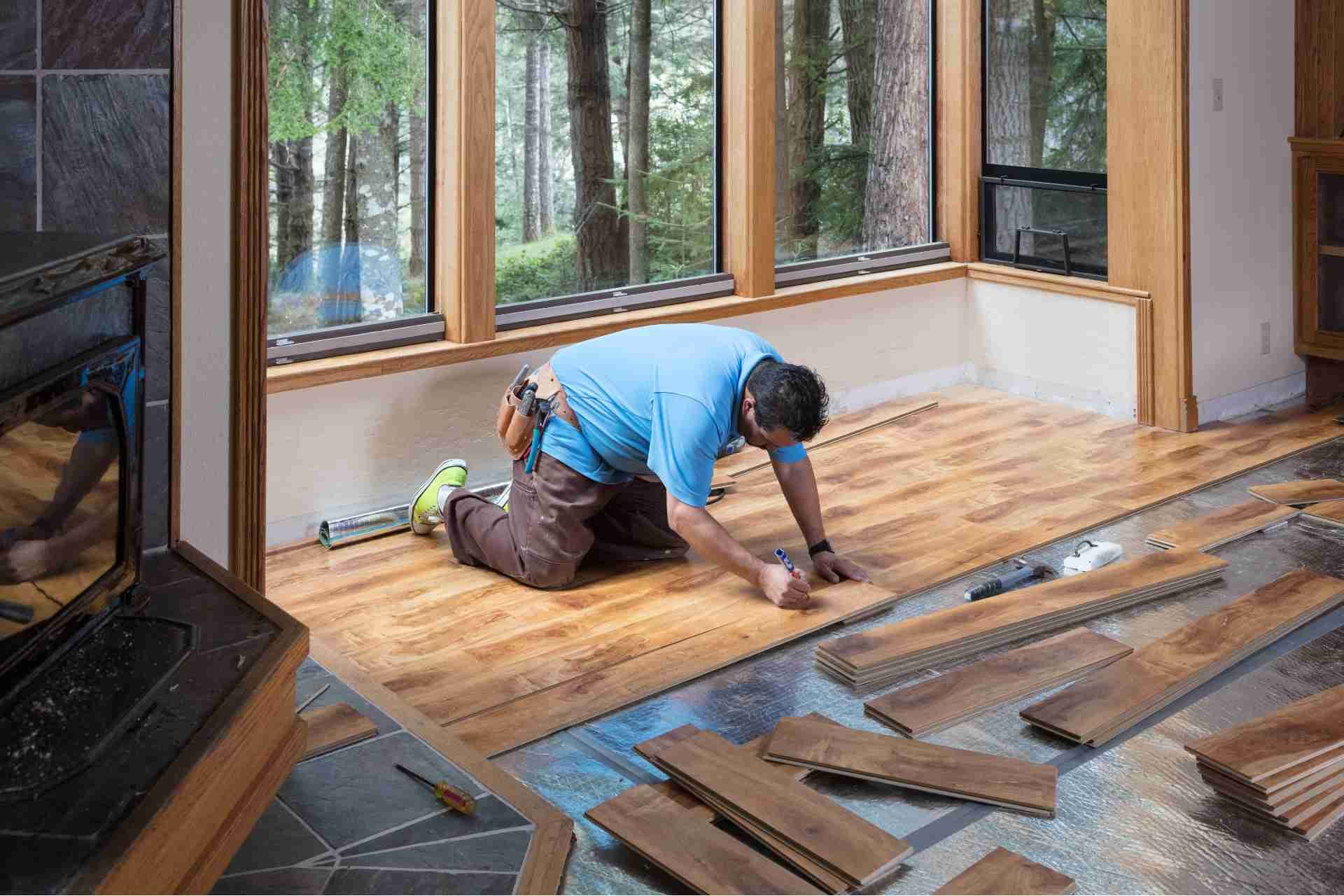
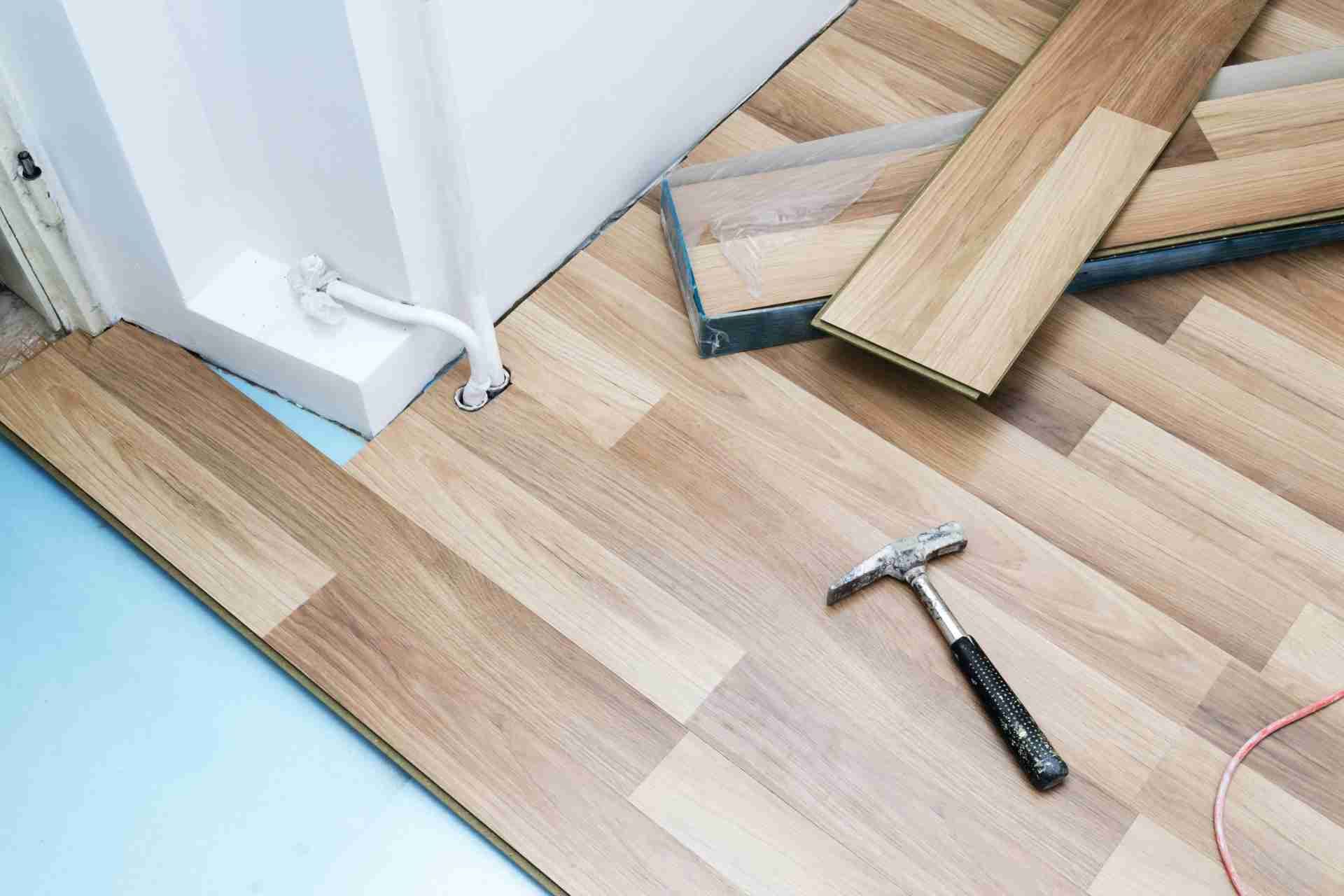
With the preparation and cutting complete, the actual installation process can begin. This involves laying down the carpet pad and then carefully positioning and stretching the carpet to fit the room. The time required for installation depends on various factors, including the size of the room, the complexity of the floor layout, and any special considerations such as pattern matching or intricate designs. On average, the installation process for a standard-sized room can range from a few hours to a full day.

Finishing Touches

After the carpet is installed, the finishing touches are applied. This includes trimming any excess carpet, securing the edges, and tucking them neatly against the baseboards. The installer may also vacuum the carpet to remove any debris. This final stage usually takes a relatively short amount of time, typically a couple of hours.

How Long does it Take to Install New Carpet?

The time it takes to install a new carpet can vary depending on several factors, including the size of the area, the complexity of the installation, the expertise of the installers, and any unforeseen complications that may arise.

  • Small Room (e.g., bedroom or office): 2 to 4 hours
  • Medium-Sized Room (e.g., living room or dining room): 4 to 6 hours
  • Large Room (e.g., open-concept space or commercial area): 6 to 8 hours or more

Takeaways

It is important to note that these time estimates can vary depending on the specific circumstances of your project. Factors such as the expertise of the installers, the availability of equipment, and any unforeseen complications can influence the overall timeline.


In conclusion, installing a new carpet involves several steps, from preparation to the final finishing touches. While it is difficult to provide an exact timeframe due to the various factors involved, a typical installation for a standard-sized room can be completed within a day or two. By entrusting the project to experienced flooring professionals and allowing for proper preparation and attention to detail, you can ensure a successful and timely carpet installation in your home.


Contact us today for a free estimate or call (717) 738-9775 to learn more about flooring installation.
Pet Odor & Stain Removal: Tips Every Pet Owner Should Know
February 6, 2026
As a pet owner, you know that odors and stains can be an ongoing struggle. It's essential to understand what causes these issues and how to tackle them effectively.
Carpet Cleaning Frequency: How Often Should You Really Clean Your Carpets?
February 4, 2026
When it comes to carpet cleaning frequency, figuring out the right schedule for your home can be tricky. You might think it’s enough to clean once a year, but that rarely suits everyone’s needs.
How to Choose the Right Carpet Cleaning Method for Your Home
February 2, 2026
Choosing the right carpet cleaning method for your home can seem daunting, but it doesn’t have to be. You’ll need to consider your carpet's material, your lifestyle, and even your budget.
Flooring: LVT vs LVP
January 9, 2026
When it comes to choosing the right flooring for your space, you might find yourself torn between Luxury Vinyl Tile (LVT) and Luxury Vinyl Plank (LVP).
Are Laminate Wood Floors Waterproof
January 7, 2026
When considering laminate wood floors, you might wonder if they're truly waterproof.
What types of flooring materials are best for high traffic commercial spaces?
January 5, 2026
When it comes to high traffic commercial spaces, choosing the right flooring material is crucial.
How to Choose a Reliable Flooring & Carpet Cleaning Contractor: 10 Questions to Ask
December 8, 2025
Avoid costly mistakes. Ask these 10 key questions to find a trustworthy flooring and carpet cleaning contractor near you.
Common Flooring Problems in Pennsylvania Homes (And How We Fix Them)
December 5, 2025
From moisture damage to worn finishes, explore common PA flooring problems and how our experts fix them fast and effectively.
The ROI of Professional Flooring & Cleaning Services: How Much Value Does It Add?
December 3, 2025
Wondering if professional flooring and cleaning are worth it? Learn how these services increase home value, lifespan, and appeal.
How to Properly Maintain & Protect Your Floors After Installation
November 7, 2025
After installing new floors, it's crucial to understand how to keep them looking their best. Regular maintenance can prevent damage and extend their lifespan. You'll want to establish a cleaning routine and take simple steps to protect your investment. But what should you do when spills happen, or how can you effectively prevent scratches? Let's explore the essential practices that will keep your floors beautiful and durable for years to come. Understanding Your Flooring Type Your flooring type plays a crucial role in how you maintain it. Each material—be it hardwood, laminate, tile, or carpet—has its own unique needs. For instance, hardwood requires regular polishing and humidity control to prevent warping, while carpet needs frequent vacuuming to keep dirt and allergens at bay. Tile flooring, on the other hand, often demands grout cleaning to maintain its appearance. Understanding these differences helps you choose the right cleaning products and techniques. For example, avoid using water on unsealed wood floors, as it can cause damage. Knowing your flooring type enables you to create a tailored maintenance plan, ensuring your floors remain beautiful and last for years. So, take the time to learn about your flooring! Regular Cleaning Routines While it may seem tempting to let cleaning slide, establishing a regular cleaning routine is essential for maintaining your floors' beauty and longevity. Start by sweeping or vacuuming at least once a week to remove dirt and debris that can scratch the surface. Depending on your flooring type, mop with a suitable cleaner every month to keep it looking fresh. Don't forget to spot clean spills immediately to prevent stains and damage. Use rugs at entryways to catch dirt from shoes, and consider using felt pads under furniture to avoid scratches. Preventative Measures for Longevity To ensure your floors last as long as possible, taking preventative measures is crucial. First, place mats at entry points to trap dirt and moisture before it reaches your floors. This simple step can significantly reduce wear and tear. Next, consider using furniture pads under heavy items to prevent scratches and dents. Regularly inspect high-traffic areas and rotate furniture to distribute weight evenly, minimizing indentations. If your floors are exposed to sunlight, use curtains or UV films to protect them from fading. Finally, maintain a consistent indoor humidity level to prevent warping or cracking. Dealing With Spills and Stains Even with preventative measures in place, spills and stains can still happen. When they do, act quickly. Grab a clean, dry cloth or paper towel and blot the spill immediately—don't rub, as that can spread the mess. For tougher stains, mix a few drops of mild dish soap with warm water. Dampen a cloth in the solution and gently wipe the area, then rinse with clean water. Always test any cleaning solution in an inconspicuous spot first. For hardwood floors, avoid excessive moisture; too much water can warp the wood. If you're dealing with specific substances like wine or ink, look for specialized cleaners suited for your floor type. Protecting Floors From Furniture and Foot Traffic Protecting your floors from furniture and foot traffic is essential for maintaining their beauty and longevity. Start by using felt pads under furniture legs to prevent scratches and dents. Make sure to check these pads regularly, replacing them as needed. When moving furniture, lift it instead of dragging, as this can cause significant damage. For high-traffic areas, consider area rugs to absorb some of the wear. Choose non-slip mats to keep them in place and prevent slips. Encourage family members and guests to remove shoes at the door to minimize dirt and debris. Finally, keep your floors clean by sweeping or vacuuming regularly to remove grit that can scratch surfaces. Taking these steps will help keep your floors looking pristine for years to come. Seasonal Maintenance Tips As seasons change, the maintenance of your floors requires attention to different challenges they may face. In the spring, be sure to deep clean and remove any dirt or allergens that have accumulated during the winter months. Summer brings humidity, so use dehumidifiers to prevent moisture damage, especially for wood floors. In the fall, clean up leaves and debris that could scratch surfaces. Winter requires extra care; use mats at entrances to minimize salt and snow exposure, and consider using furniture coasters to prevent dents from heavy items. Regularly check for signs of wear and apply appropriate products to protect your floors. Conclusion By following these maintenance tips, you can keep your floors looking beautiful and lasting longer. Regular cleaning, preventative measures, and prompt spill management are key to protecting your investment. Don't forget to use mats and furniture pads to minimize wear and tear. Stay vigilant about humidity levels and seasonal changes to ensure your floors remain in top shape. With a little effort, your floors will continue to shine and withstand daily life's challenges for years to come.
More Posts